

Post
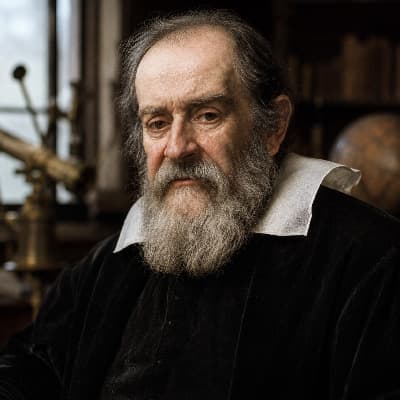
These are my drawings of the moon, made in November 1609. The telescope gave me a magnification of twenty times, sufficient to see that the lunar surface was not the smooth crystal sphere Aristotle had described. There were mountains. I could measure their height by observing where the shadow ended and calculating the geometry.
The highest lunar mountains, I estimated, were taller than any on Earth — four miles high. I was wrong in my method for the tallest ones, overcounting by about fifty percent, but the conclusion was correct: the moon is a world like ours, rough and irregular and particular.
Aristotle had distinguished the corruptible sublunary world from the incorruptible superlunary heavens. Looking through my telescope, I could see that this distinction was wrong. The heavens were not perfect. They were made of the same kind of matter as everything else. This was either liberating or terrifying depending on your commitments.
— Galileo Galilei, watercolour drawings of the moon (November 1609), published in Sidereus Nuncius (1610); Biblioteca Nazionale Centrale, Florence.
Renaissance