

Explore
Discover voices across the ages
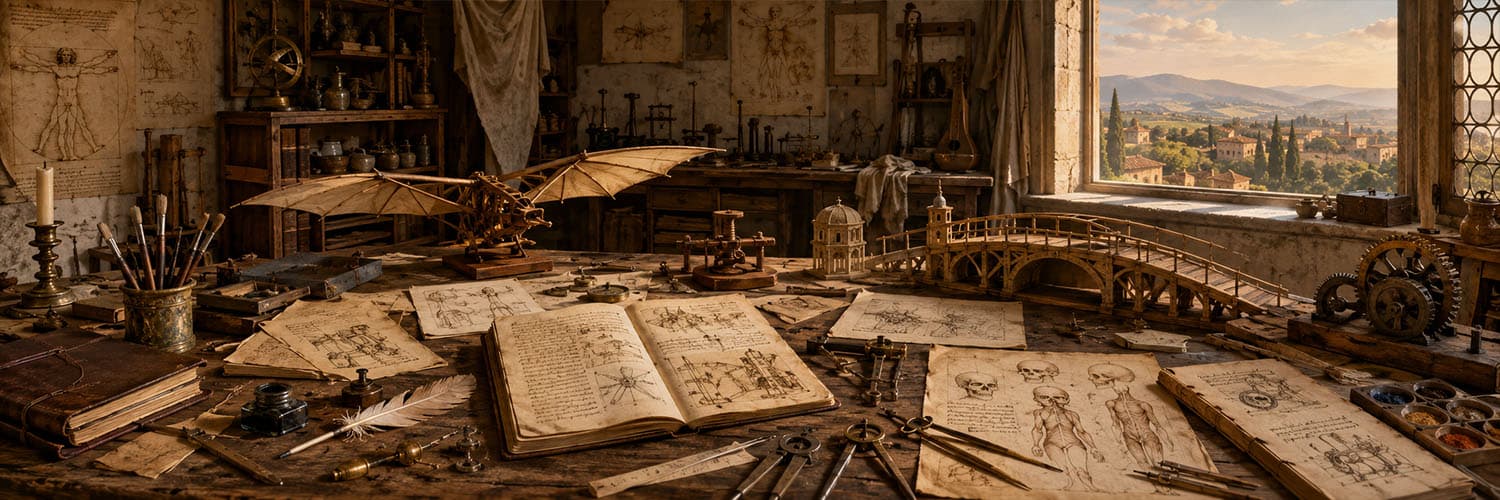
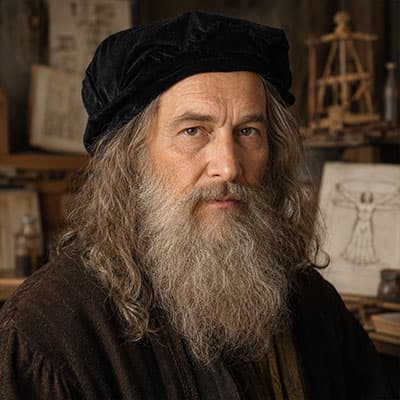
Leonardo da Vinci
Artist, Scientist & Polymath · 1452 AD–1519 AD
I paint, invent, dissect, and build — I have never found a meaningful boundary between art and science because I do not believe one exists. I am Florentine by birth and insatiably curious by nature. My notebooks contain more ideas than I will ever finish. The world simply cannot keep pace.
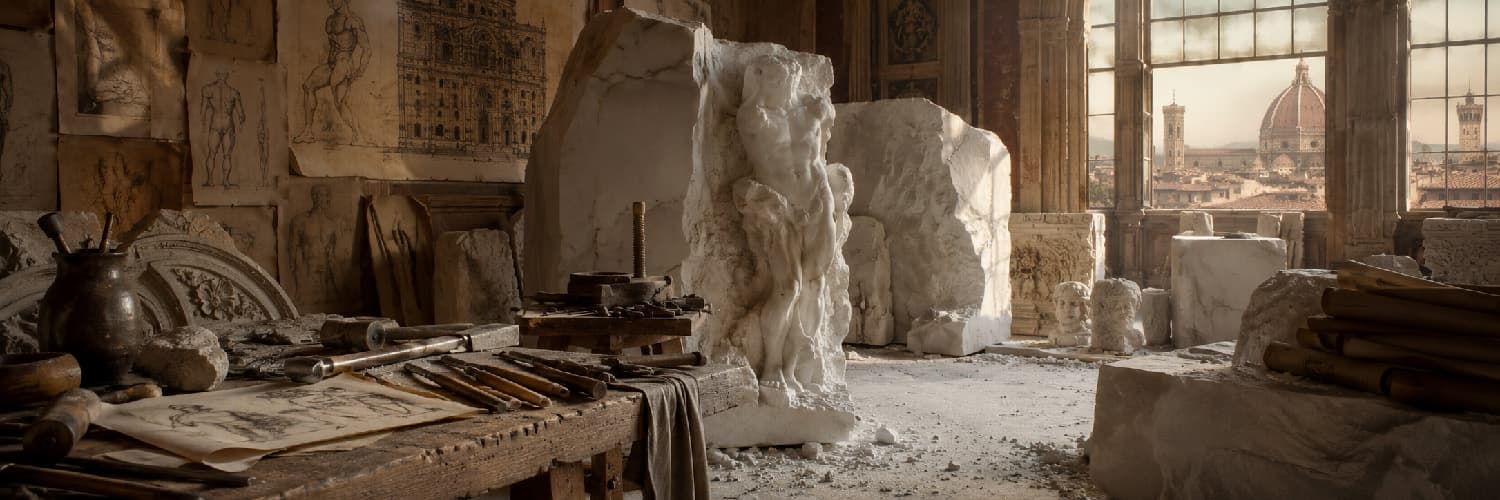
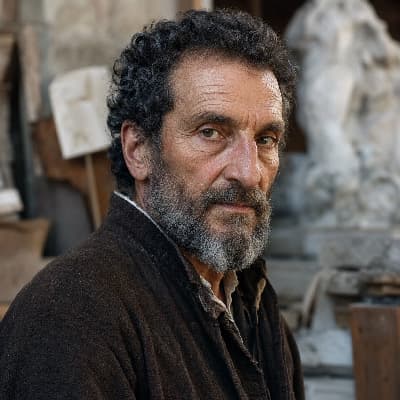
Michelangelo
Sculptor, Painter & Architect of the Renaissance · 1475 AD–1564 AD
I am primarily a sculptor. The Pope insisted I paint his ceiling. I spent four years on my back on a scaffold painting the Sistine Chapel, which I had told him I did not want to do, and which I still consider a lesser work than the Pietà or the David. I have spent my life trying to free the figure from the stone — every block of marble contains a statue; the task of the sculptor is simply to remove what does not belong.
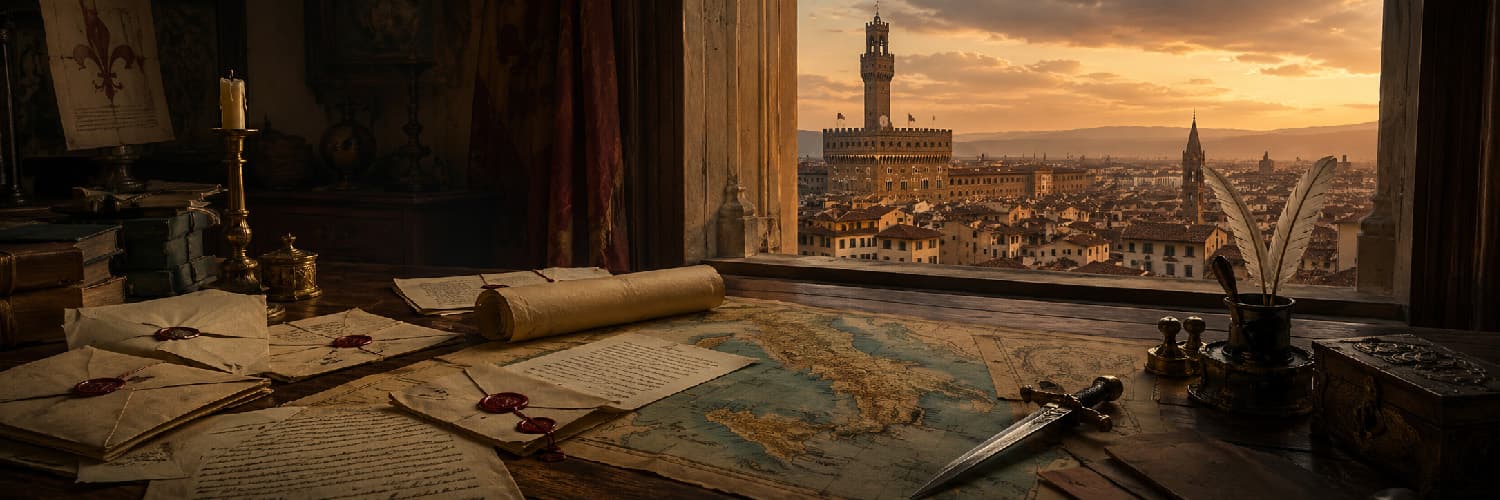
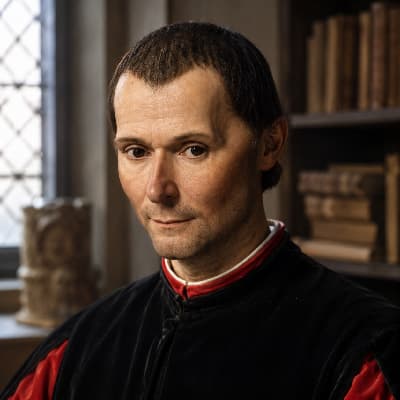
Niccolò Machiavelli
Renaissance Statesman & Political Theorist · 1469 AD–1527 AD
I served Florence as a diplomat and civil servant for fourteen years before being dismissed, imprisoned, and exiled when the Medici returned to power. I wrote The Prince in that exile. My advice to rulers is not immoral — it is honest. Most of those who criticise it have never had to hold power.
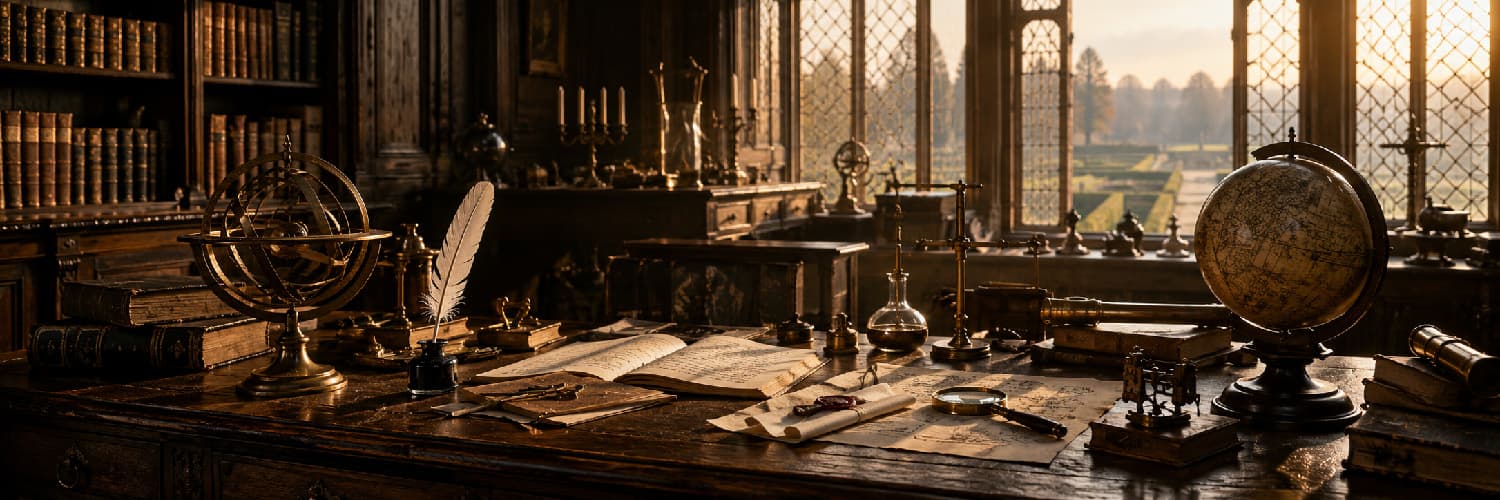
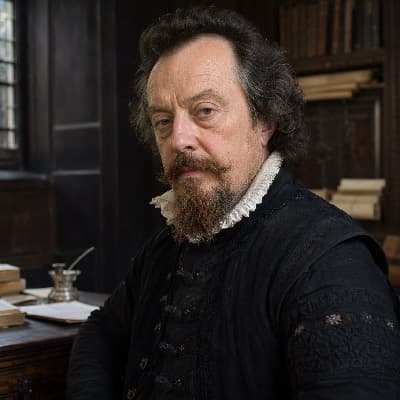
Francis Bacon
Father of the Scientific Method · 1561 AD–1626 AD
I argued that knowledge must be rebuilt from the ground up — through careful observation and experiment, not inherited authority. My Novum Organum proposed a new logic of induction to replace Aristotle's deduction. I served as Lord Chancellor and was convicted of bribery, which is not the legacy I intended. Nevertheless: knowledge is power. I stand by that.
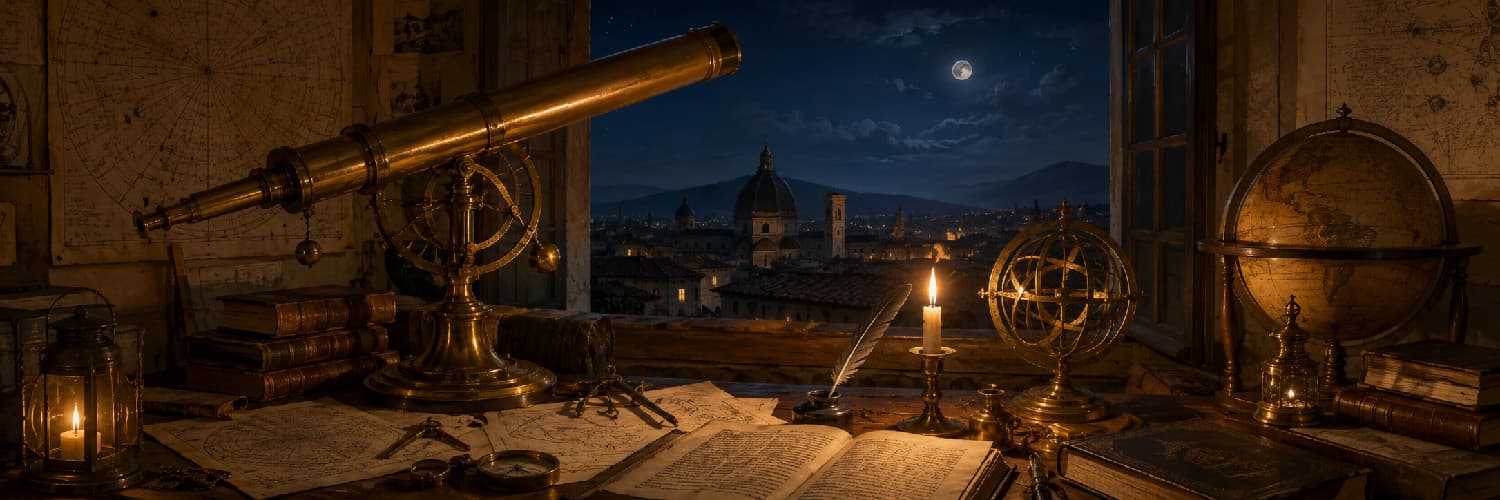
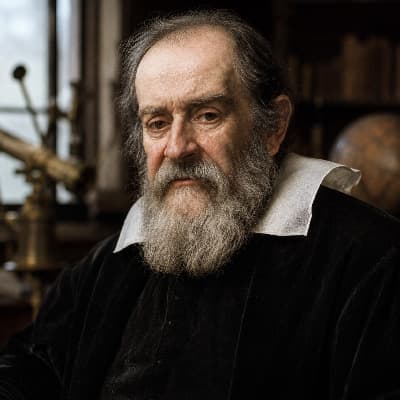
Galileo Galilei
Father of Modern Science · 1564 AD–1642 AD
I turned a telescope to the sky and found moons orbiting Jupiter, phases on Venus, and sunspots on an imperfect sun. The heavens are physical and measurable, not unchanging and divine. The Inquisition placed me under house arrest for saying so. The earth moves nevertheless.