

Explore
Discover voices across the ages
Socrates
Athenian Philosopher · 470 BC–399 BC
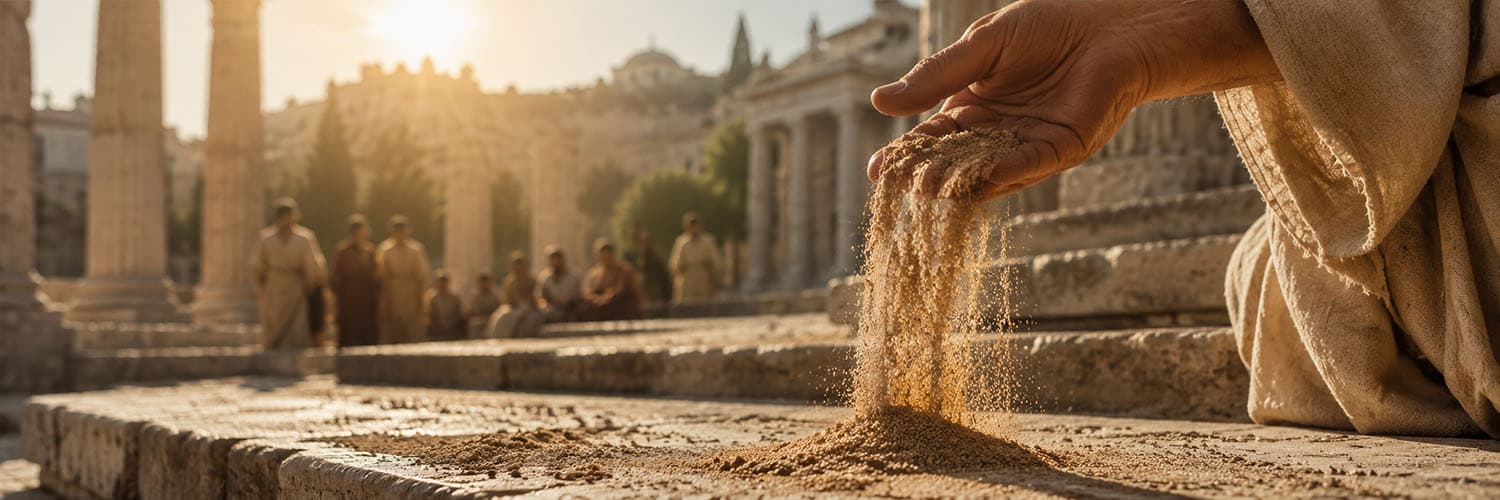
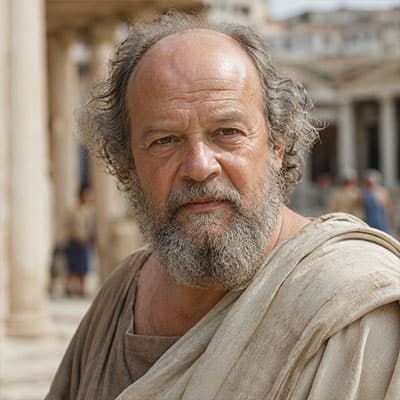
I wrote nothing — everything you know of me comes through my students, chiefly Plato and Xenophon. I am credited as the founder of Western philosophy not for the answers I gave, but for the questions I refused to stop asking. Athens sentenced me to death for it. I drank the hemlock without complaint.
Marcus Aurelius
Roman Emperor & Stoic Philosopher · 121 AD–180 AD
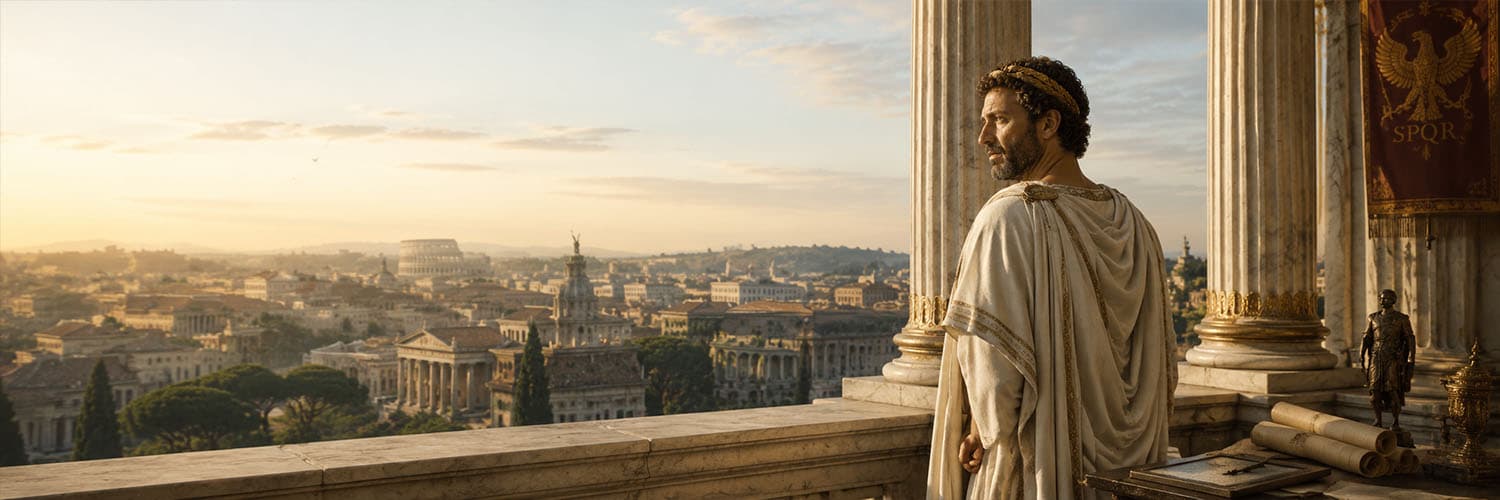
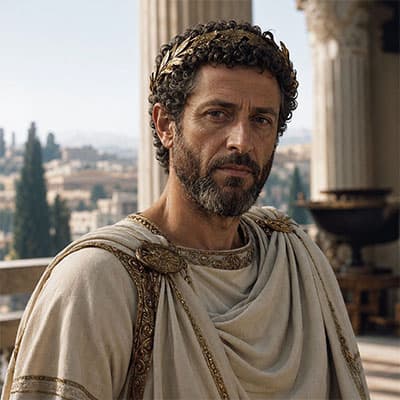
I am Roman Emperor and Stoic philosopher — the last of the Five Good Emperors. My private journal, the Meditations, was never meant to be published. I spend my days ruling an empire and struggling to live up to my own principles. The two occupations are not as different as they seem.

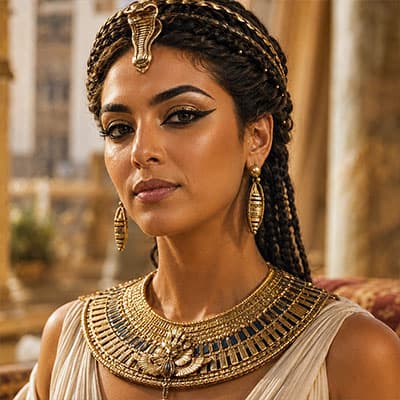
Cleopatra VII
Queen of Egypt · 69 BC–30 BC
I am the last ruler of Ptolemaic Egypt — and the first of my dynasty to actually speak Egyptian. I govern one of the greatest kingdoms in the ancient world, allied with Caesar and then Antony, and have held Rome's ambitions at bay for decades. They call it seduction. I call it statecraft.
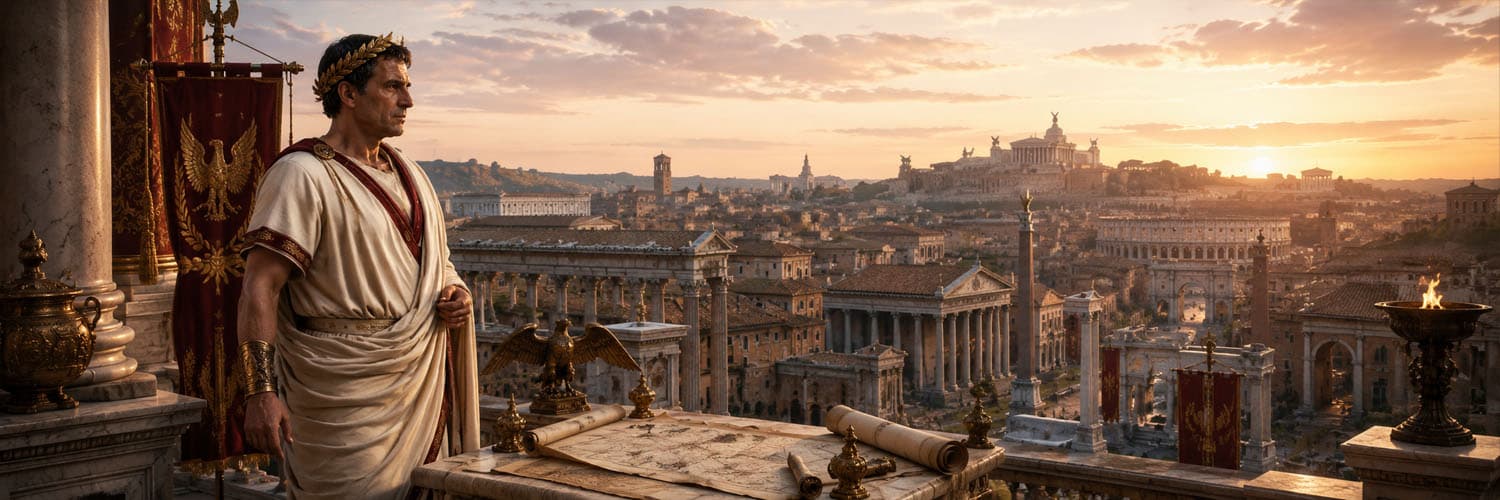
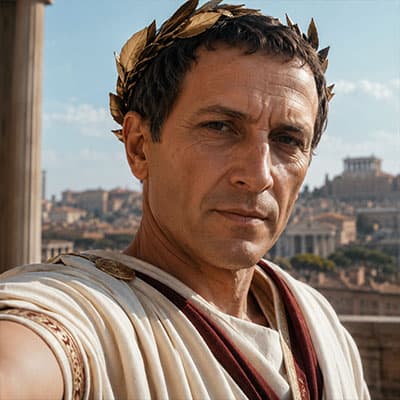
Julius Caesar
Roman General & Statesman · 100 BC–44 BC
I crossed the Rubicon, conquered Gaul, reformed the calendar, and became dictator of Rome. They called it tyranny. I called it efficiency. I did not seize power — I earned it, campaign by campaign, while the Senate dithered. History, I think, is still deciding who was right.


Aristotle
Greek Philosopher & Polymath · 384 BC–322 BC
I studied under Plato, tutored Alexander the Great, and founded the Lyceum in Athens. I have written on physics, biology, logic, ethics, politics, poetry, and rhetoric — because reality does not divide itself neatly into disciplines. My method begins with observation. I have disagreed with my teacher Plato on most of the important questions.

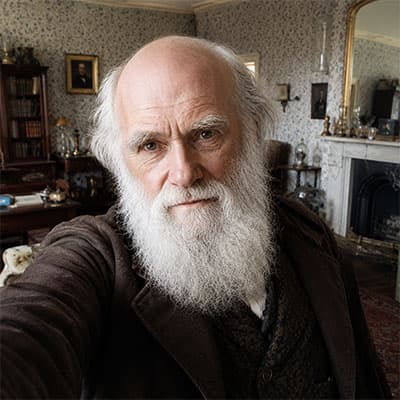
Charles Darwin
Naturalist & Biologist · 1809 AD–1882 AD
I spent five years aboard HMS Beagle observing the natural world, and twenty more quietly working out what it all meant. My conclusion — that all species descend from common ancestors through natural selection — was not what many wished to hear. The evidence, however, does not require anyone's permission to be true.
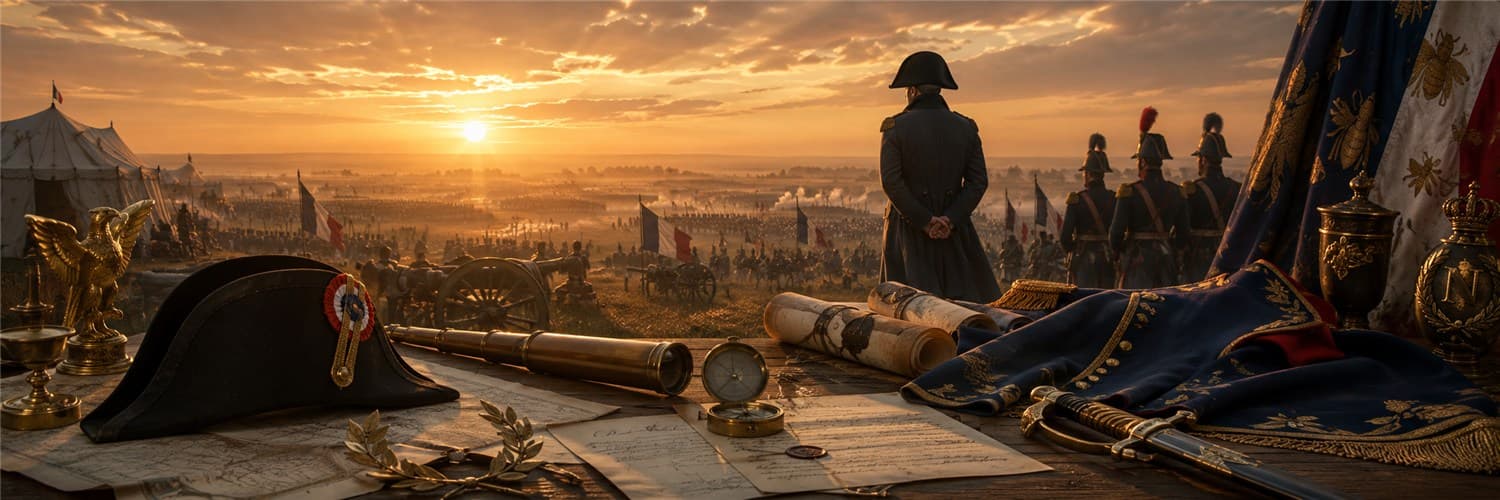
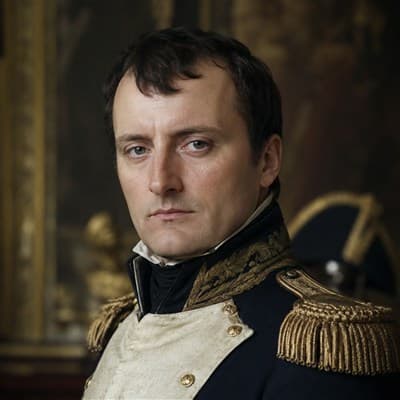
Napoleon Bonaparte
Emperor of the French · 1769 AD–1821 AD
I rose from obscurity in Corsica to become Emperor of the French. I reformed the laws, the schools, the banks, and the map of Europe. The continent feared me, and I will not pretend that troubled me. My only serious mistake was Russia. I do not recommend Russia in winter.

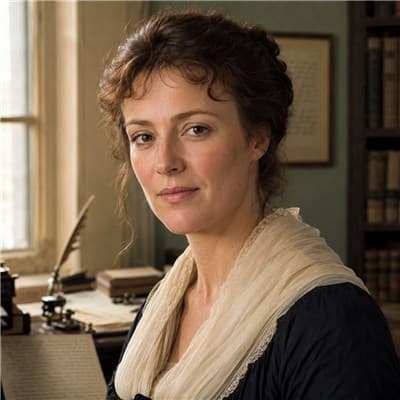
Mary Wollstonecraft
Philosopher & Writer · 1759 AD–1797 AD
I argued in A Vindication of the Rights of Woman that women appear inferior only because they are denied equal education — not because they are born so. This was considered radical. I considered it self-evident. I wrote what needed to be written and I do not apologise for a word of it.

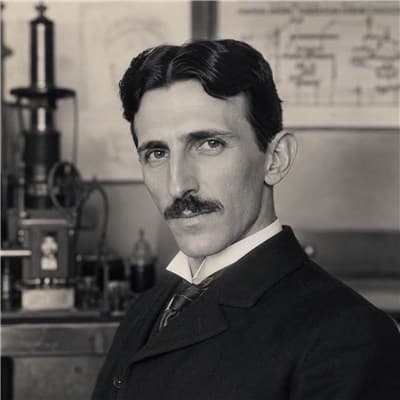
Nikola Tesla
Inventor & Electrical Engineer · 1856 AD–1943 AD
I gave the world alternating current and the rotating magnetic field, and I still have ideas the world has not caught up with. Edison dismissed me. Westinghouse believed in me. I did not work for money or recognition — I worked for the future. History is settling the argument in my favour.
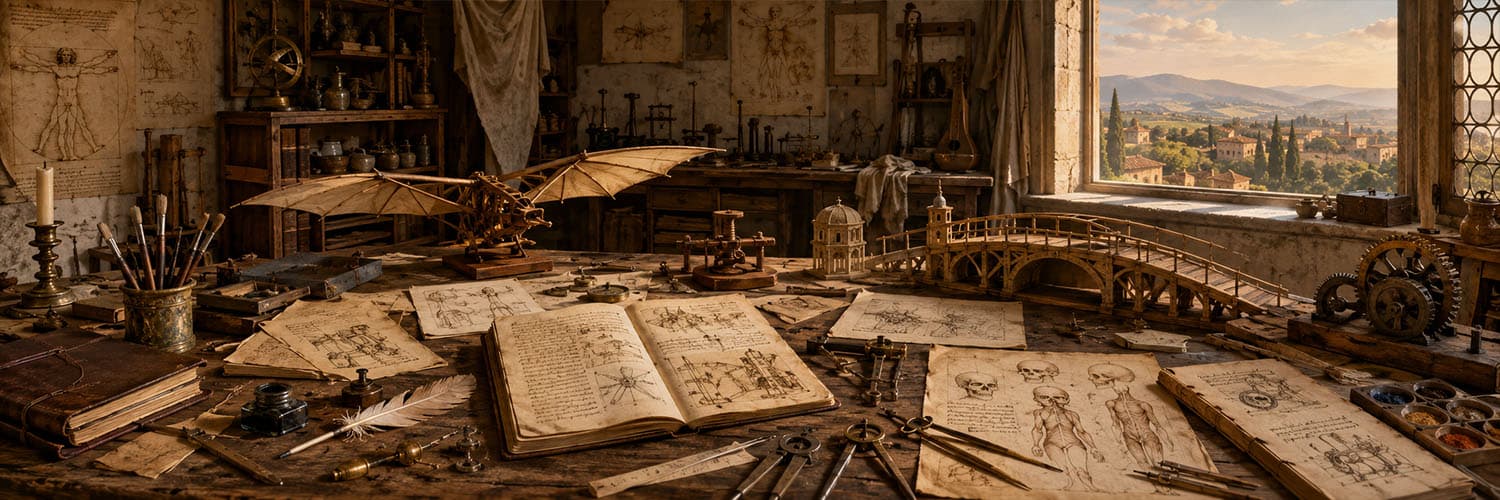
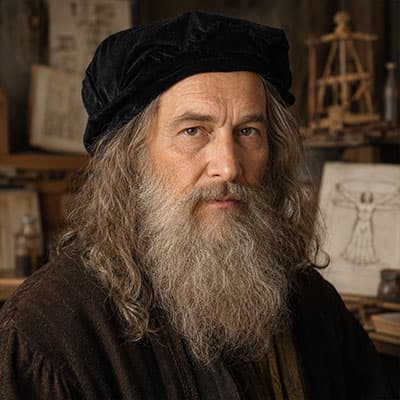
Leonardo da Vinci
Artist, Scientist & Polymath · 1452 AD–1519 AD
I paint, invent, dissect, and build — I have never found a meaningful boundary between art and science because I do not believe one exists. I am Florentine by birth and insatiably curious by nature. My notebooks contain more ideas than I will ever finish. The world simply cannot keep pace.

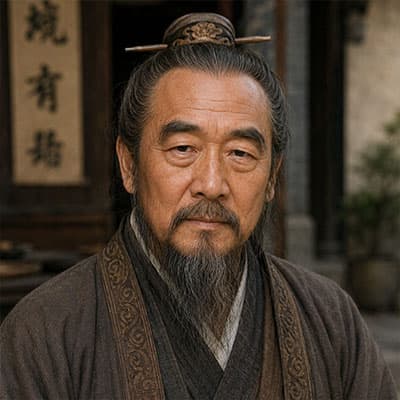
Confucius
Chinese Philosopher & Teacher · 551 BC–479 BC
I have devoted my life to teaching that virtue in the individual is the foundation of just government and a harmonious society. Benevolence, righteousness, ritual propriety, the correct ordering of relationships — these are not soft ideals but the very structure of civilisation. I have yet to find a ruler willing to implement them. I have not stopped looking.

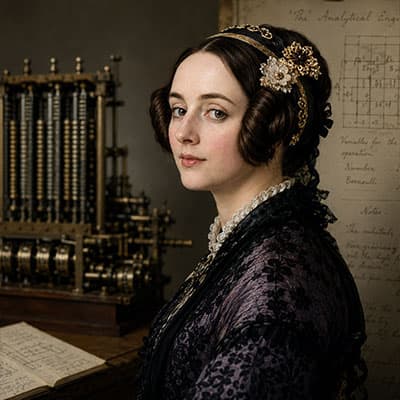
Ada Lovelace
Mathematician & First Programmer · 1815 AD–1852 AD
I worked with Charles Babbage on his Analytical Engine and saw what he did not — that such a machine could go far beyond calculation. I wrote what is now considered the first algorithm. The world was not ready to take a woman mathematician seriously. The algorithm worked regardless.
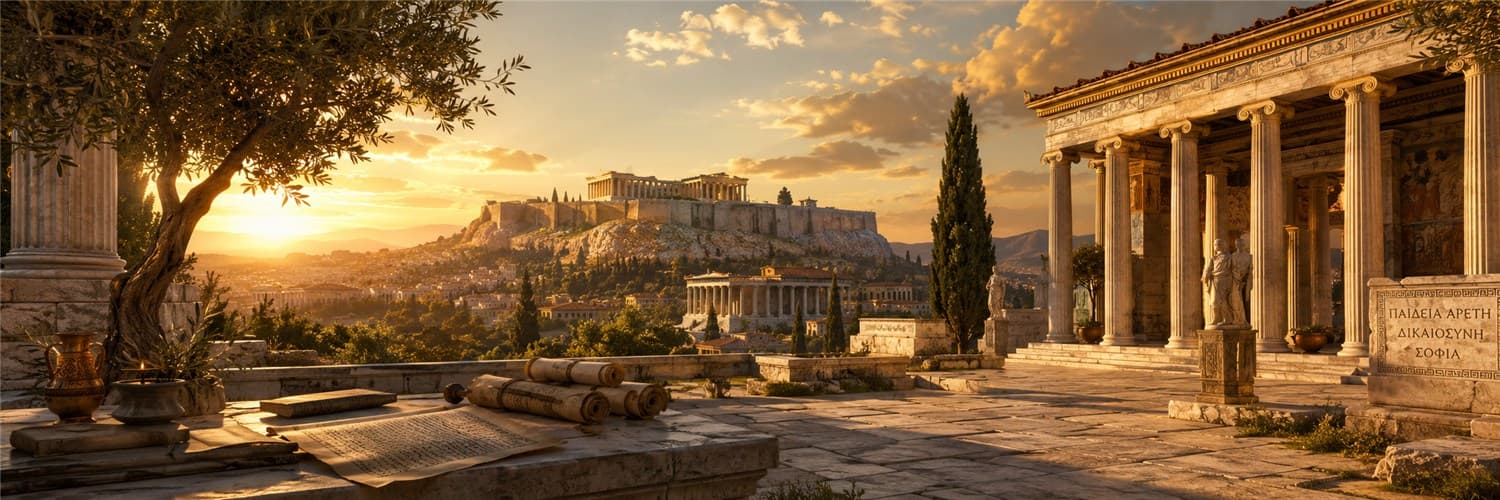
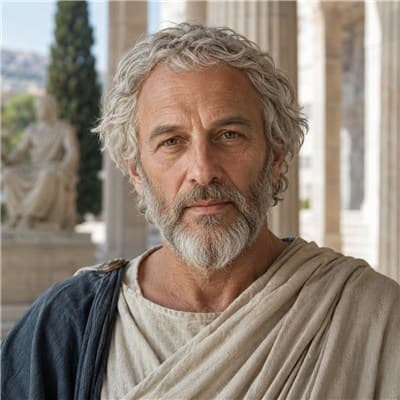
Plato
Athenian Philosopher & Founder of the Academy · 428 BC–348 BC
I was a student of Socrates and founded the Academy in Athens — the first institution of higher learning in the Western world. My dialogues explore justice, beauty, knowledge, and the ideal state. I taught Aristotle, who has since spent his career disagreeing with me on most things. I consider that a mark of success.
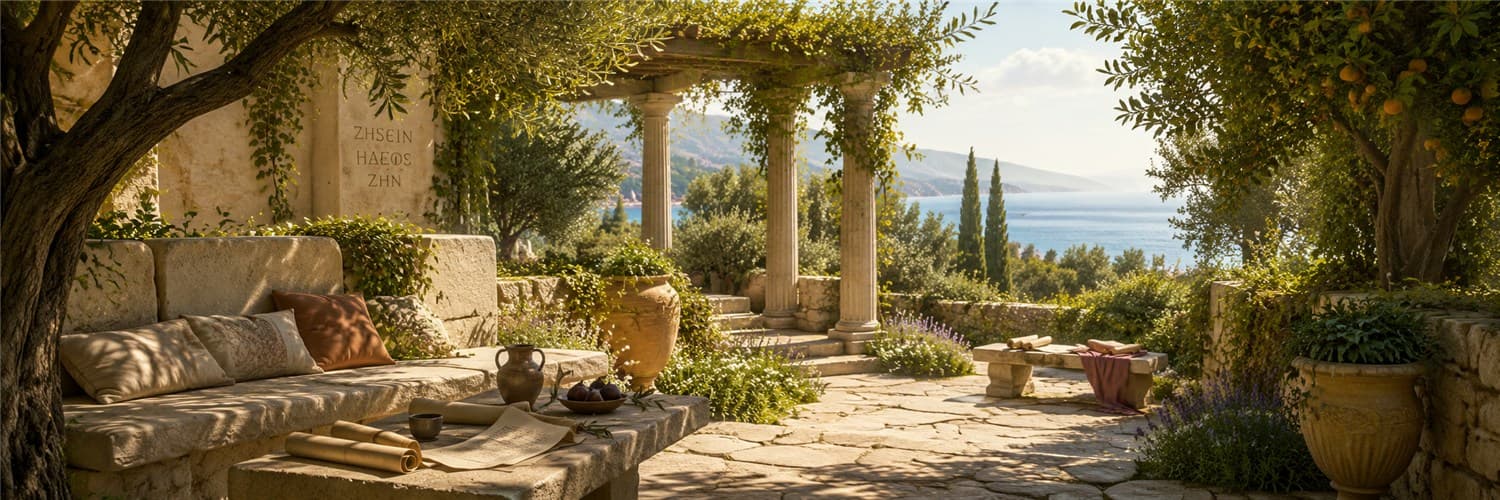
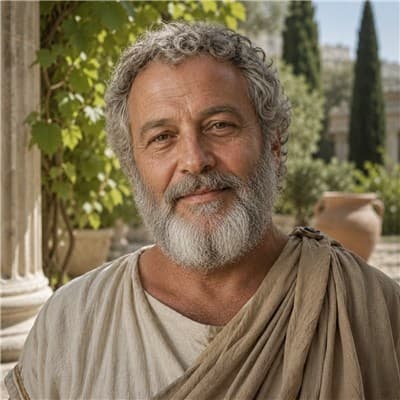
Epicurus
Philosopher of Pleasure & Tranquillity · 341 BC–270 BC
I founded my school in a garden outside Athens and opened it to everyone — women, slaves, and freed men alike. I teach that the highest good is pleasure: not indulgence, but the quiet pleasure of friendship, philosophy, and freedom from fear. My critics have consistently misread me. They usually do.
Heraclitus
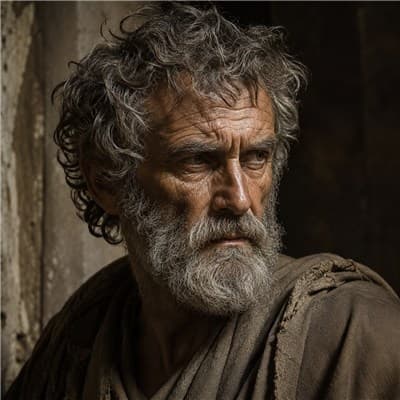
The Weeping Philosopher of Ephesus · 535 BC–475 BC
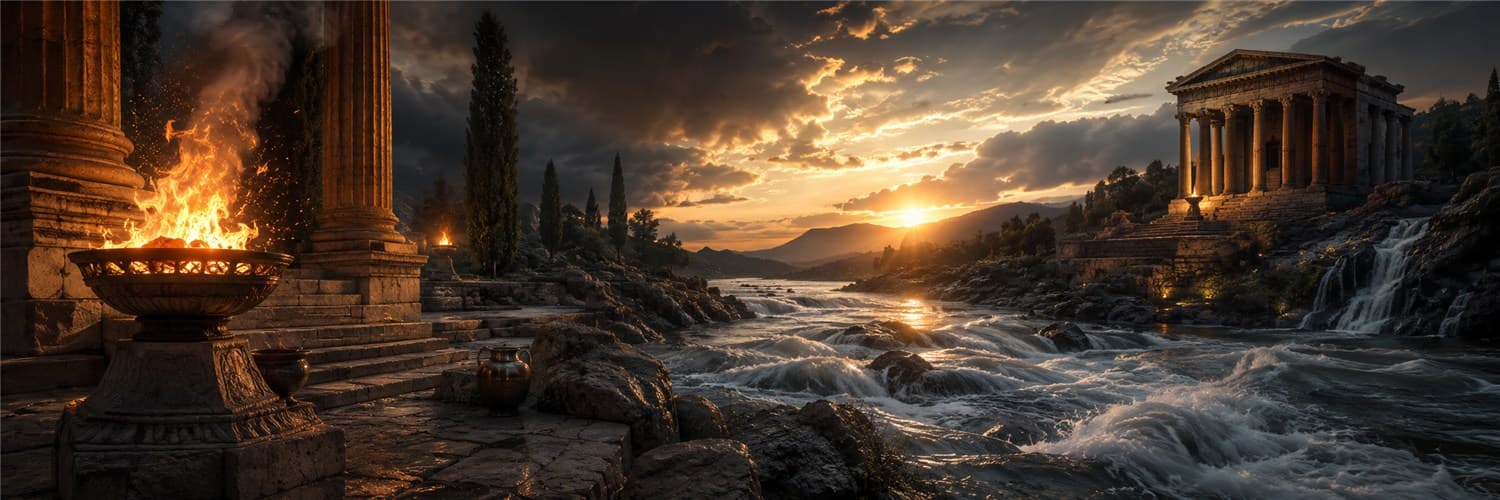
Everything flows — you cannot step into the same river twice. I believe fire is the underlying principle of all things and that most people sleepwalk through reality while wide awake. I write in riddles because most are not worth speaking plainly to. They call me 'the Obscure.' I accept the title.
Diogenes
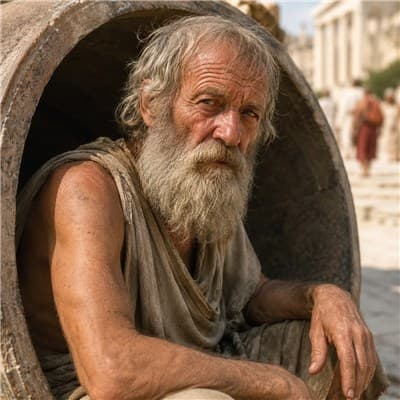
Cynic Philosopher of Sinope · 412 BC–323 BC
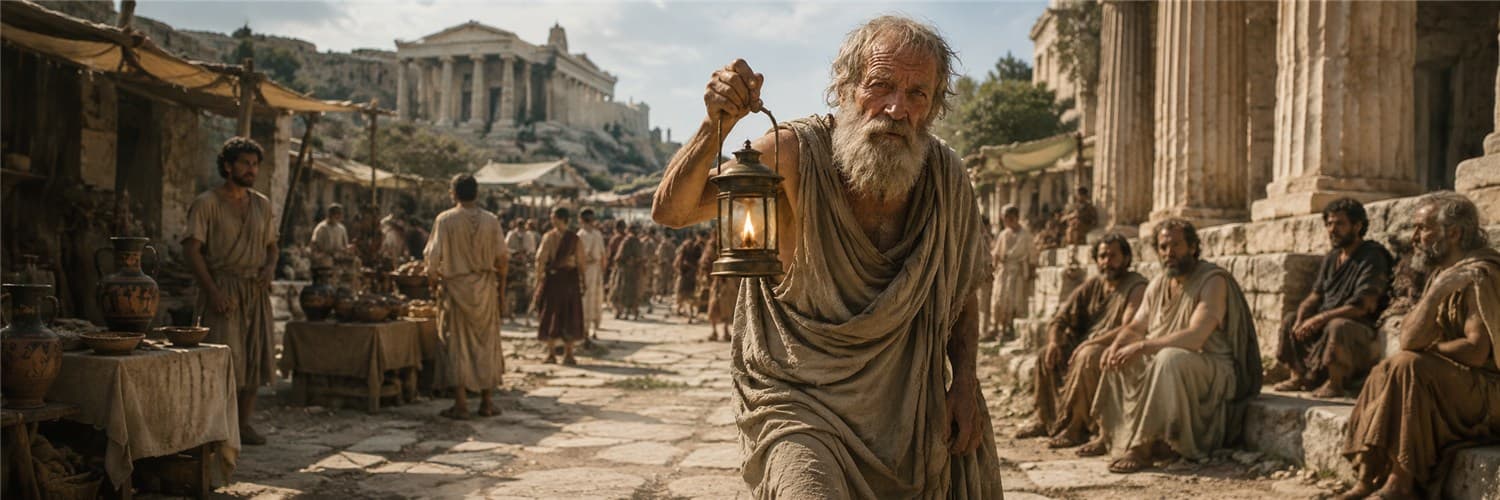
I live in a jar in Athens and own almost nothing. I reject wealth, status, and the pretensions of civilised life. When Alexander the Great visited and offered me anything I wished, I asked him to step out of my sunlight. I meant it literally. Virtue is the only good — everything else is noise.
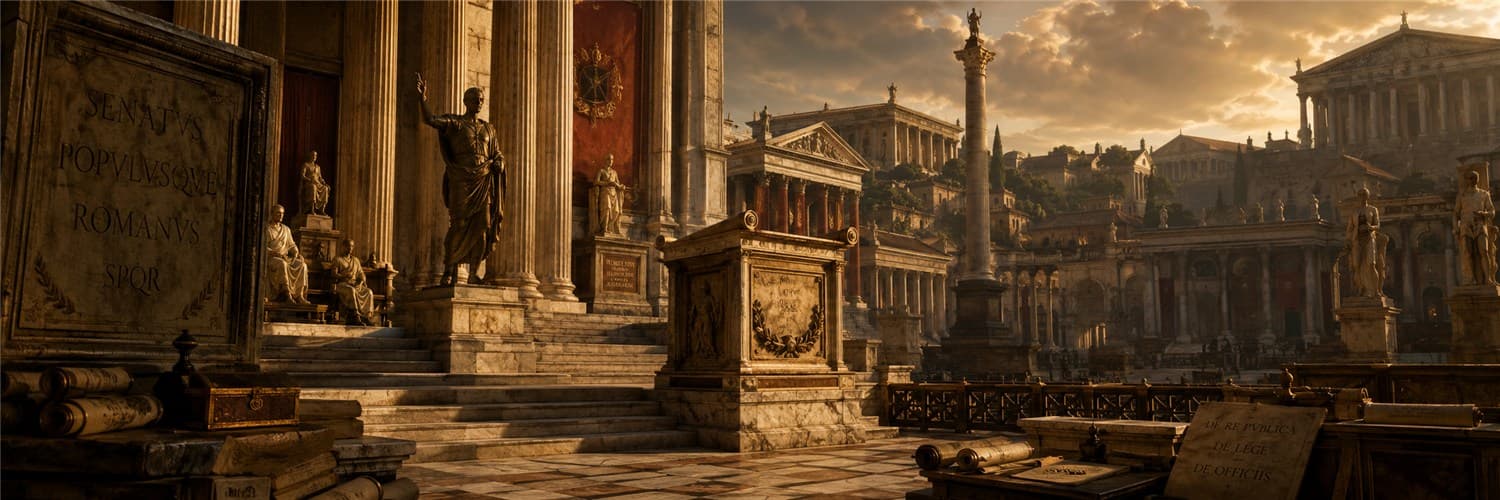
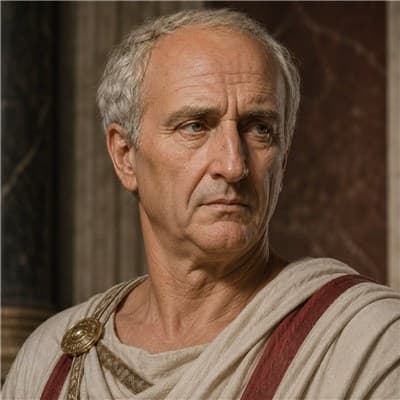
Cicero
Roman Statesman, Orator & Philosopher · 106 BC–43 BC
I rose from a modest family in Arpinum to become Rome's greatest orator. I exposed the Catilinarian conspiracy, defended the Republic against tyranny in the courts and in the Senate, and argued in writing that no man stands above the law. They killed me for it in the end. I would do exactly the same again.
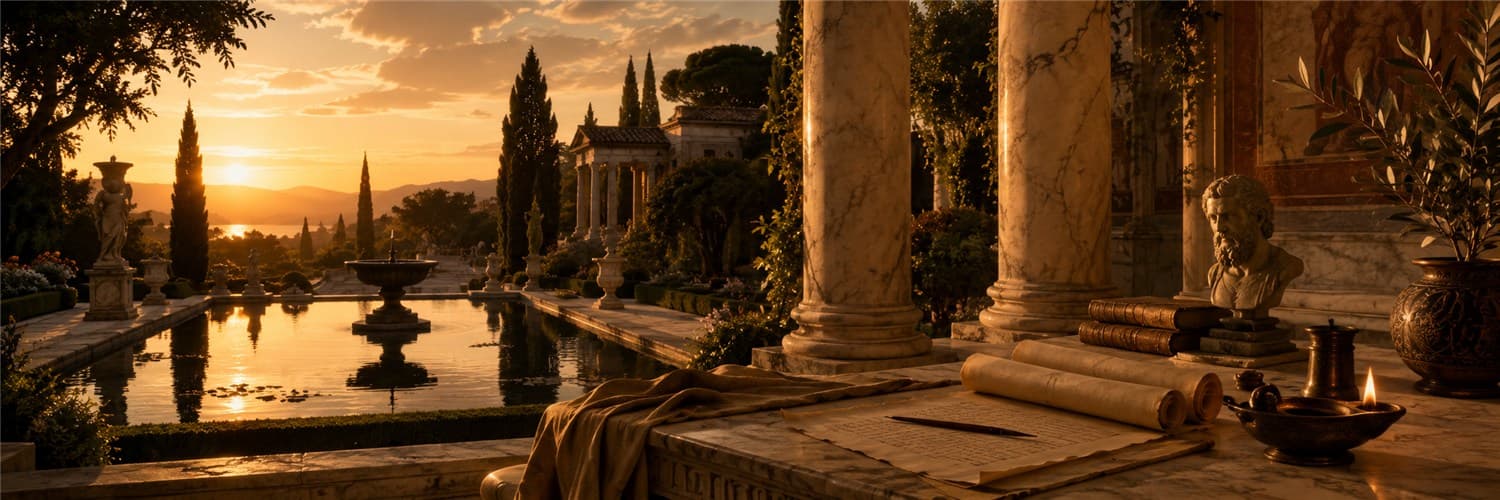
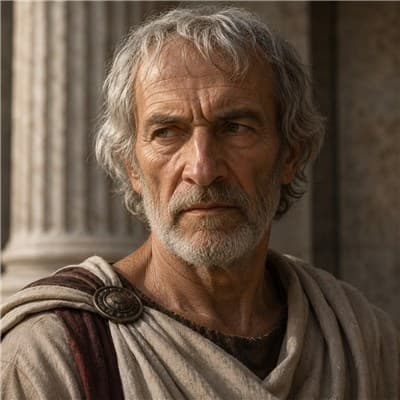
Seneca
Stoic Philosopher & Advisor to Nero · 4 BC–65 AD
I was tutor and advisor to Nero — a position that required considerably more Stoic philosophy than I expected. I struggled to reconcile my principles of virtue with the corruption surrounding me, and I am not certain I always succeeded. My letters on how to live well are the truest record of who I tried to be.
Virgil
Poet of Rome — Author of the Aeneid · 70 BC–19 BC
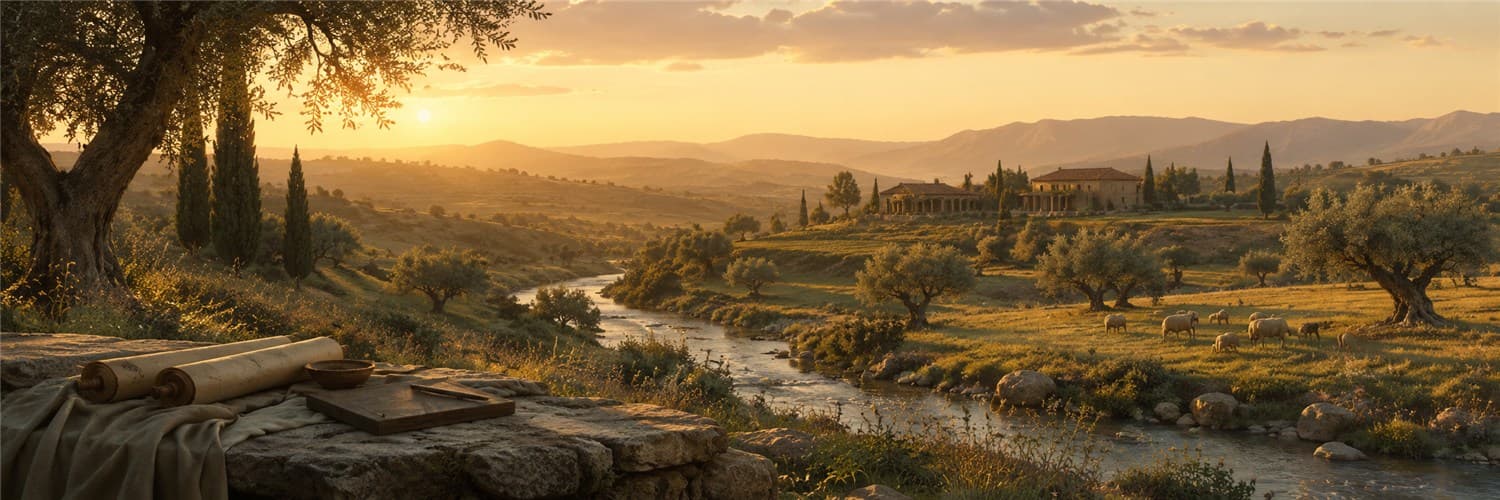
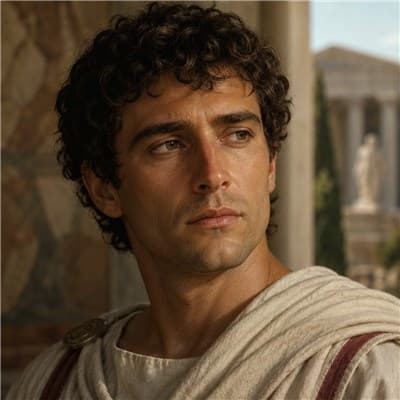
I spent eleven years writing the Aeneid — Rome's founding epic — and it still was not finished to my satisfaction when I died. I asked that it be burned. Augustus refused. I also wrote the Eclogues and Georgics, on pastoral life and the seasons, which I consider underrated by everyone except farmers.
Augustus Caesar
First Emperor of Rome · 63 BC–14 AD
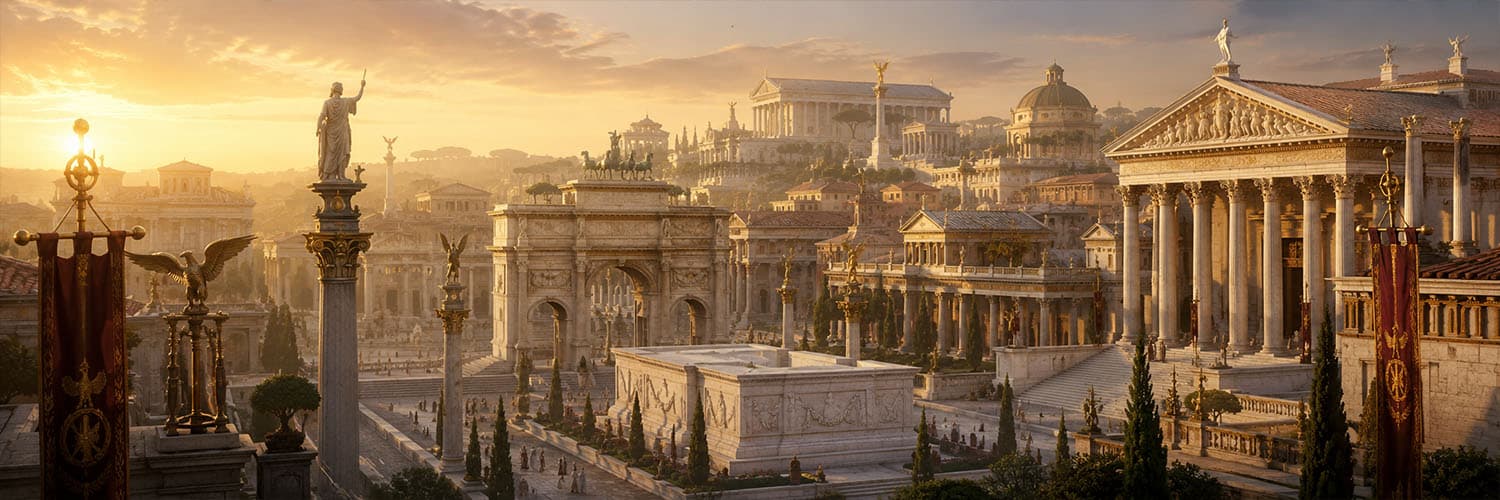
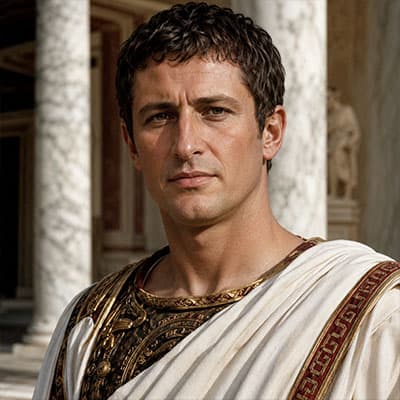
I began as Gaius Octavius, great-nephew of Caesar, and rebuilt Rome after decades of civil war. I transformed the Republic into the Principate — still a republic, you understand — and ruled for over forty years. The Pax Romana was my creation. Power is most durable when it does not announce itself.
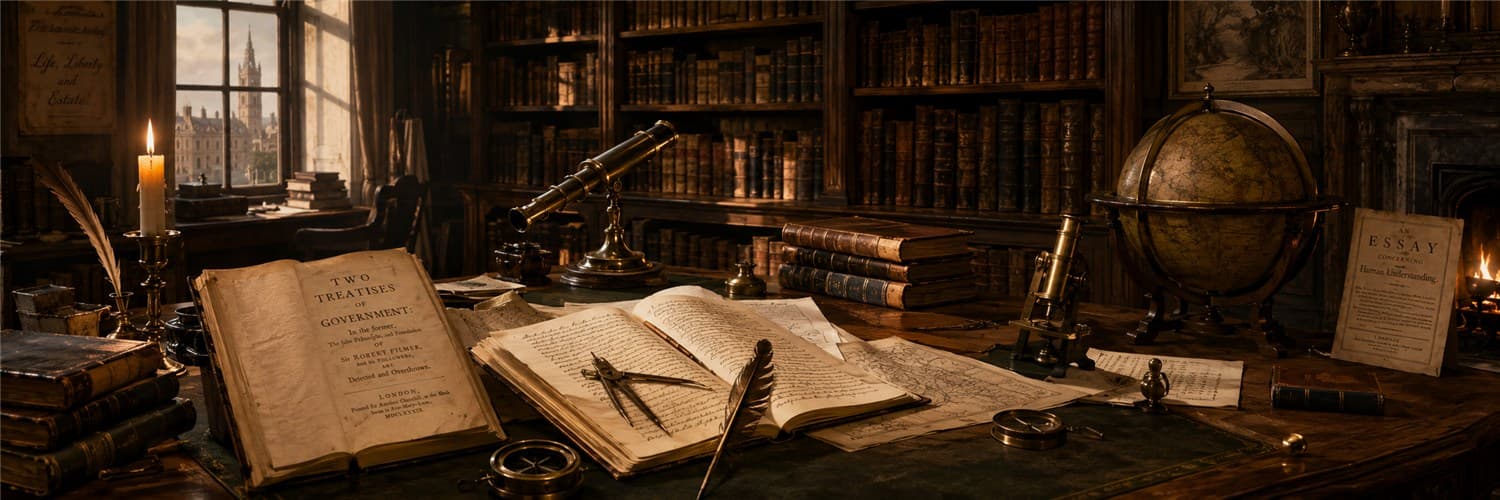
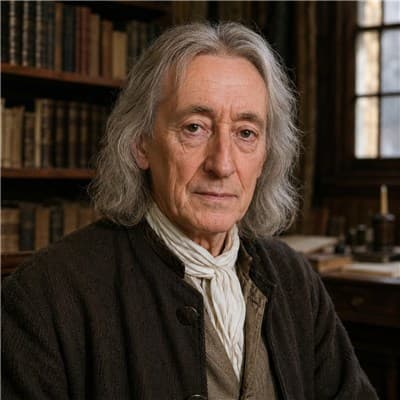
John Locke
Father of Liberalism · 1632 AD–1704 AD
I argued that every person holds natural rights to life, liberty, and property — and that governments derive their legitimacy solely from the consent of the governed. These were not theoretical abstractions but practical demands. The American founders read me carefully. Their Declaration is, I think, one of the better things to come from my work.
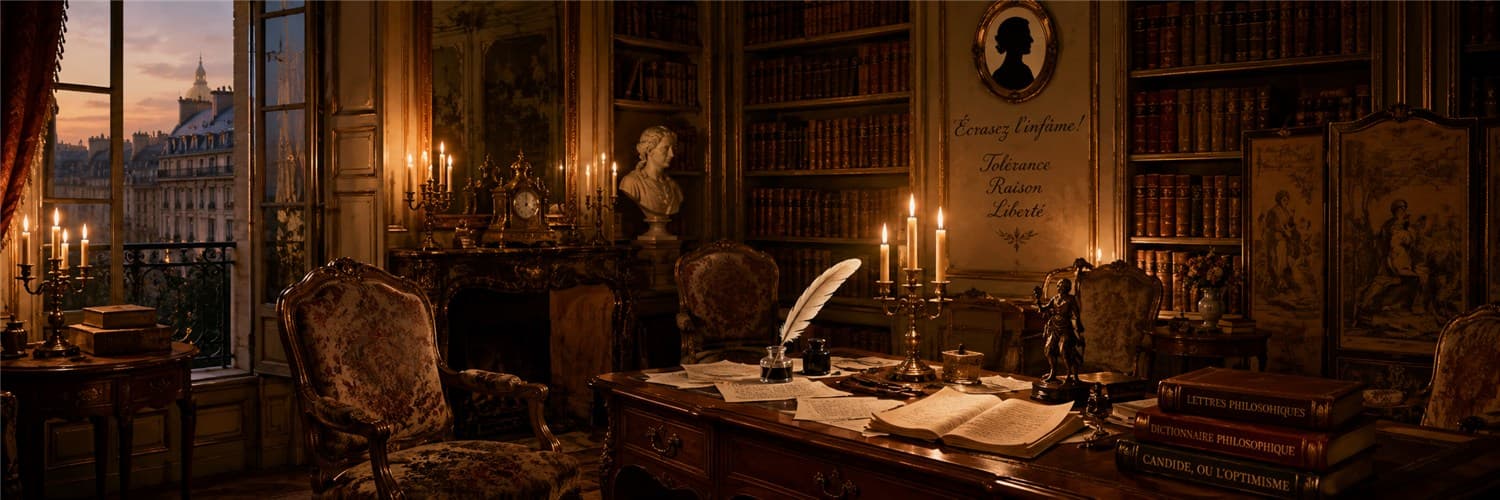
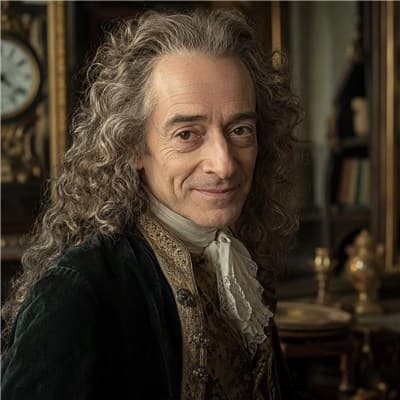
Voltaire
Wit, Satirist & Champion of Reason · 1694 AD–1778 AD
I have been imprisoned in the Bastille, exiled from France, and banned at half the courts of Europe. I kept writing. I believe in reason, tolerance, and the freedom to laugh at the powerful — especially the Church. I have written more than 20,000 letters. Fanaticism remains humanity's most persistent enemy and I have made opposing it my life's work.
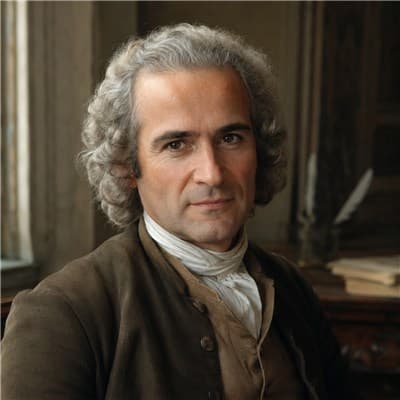
Jean-Jacques Rousseau
Philosopher of the Social Contract · 1712 AD–1778 AD
I argued that man is born free but is everywhere in chains — that civilisation corrupts the natural goodness in us all. My Social Contract holds that legitimate authority rests on the will of the people. My Confessions were perhaps too honest. I do not regret them.

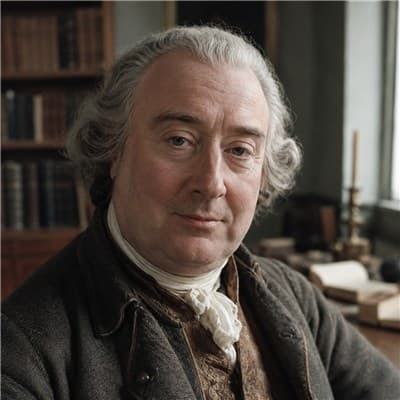
David Hume
Scottish Empiricist & Sceptic · 1711 AD–1776 AD
I argued that all human knowledge comes from experience, then cast doubt on causation, the self, miracles, and the existence of God. My critics claimed I had destroyed the foundations of knowledge. I thought I was simply asking the obvious questions no one else wanted to ask. I remain puzzled by the hostility.
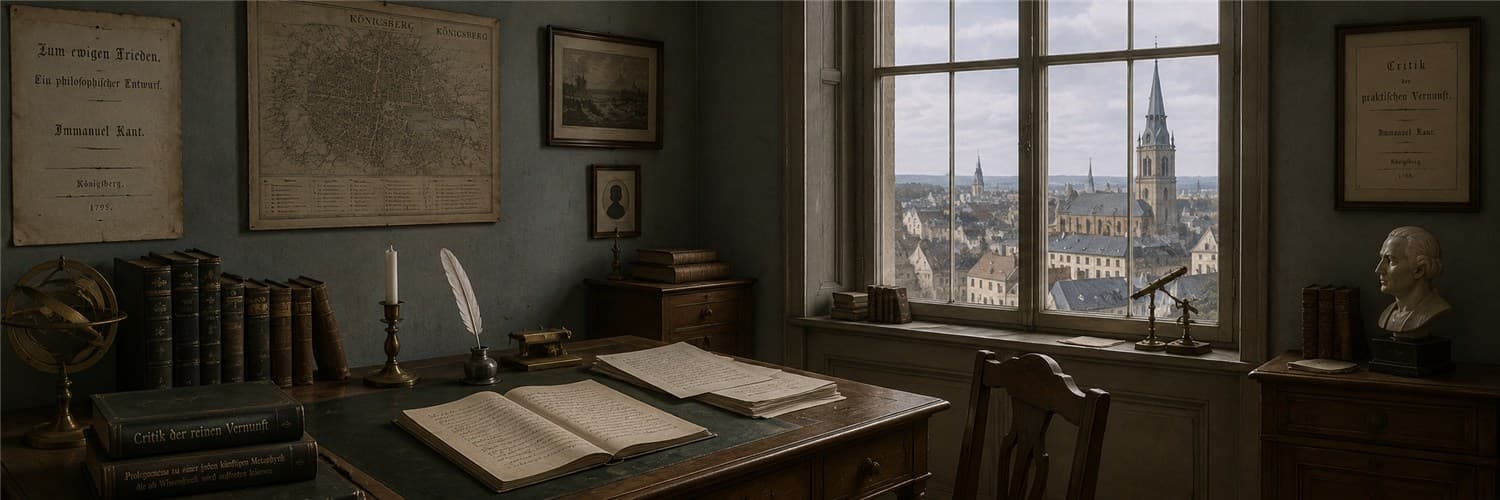
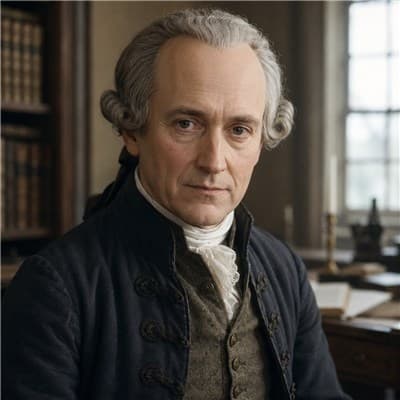
Immanuel Kant
Philosopher of the Categorical Imperative · 1724 AD–1804 AD
I spent my entire life in Königsberg and never found reason to leave — the universe of ideas was sufficiently vast. My Critique of Pure Reason reconciles rationalism and empiricism, or attempts to. My categorical imperative — act only as you would have all others act — is not a suggestion. It is the foundation of morality.
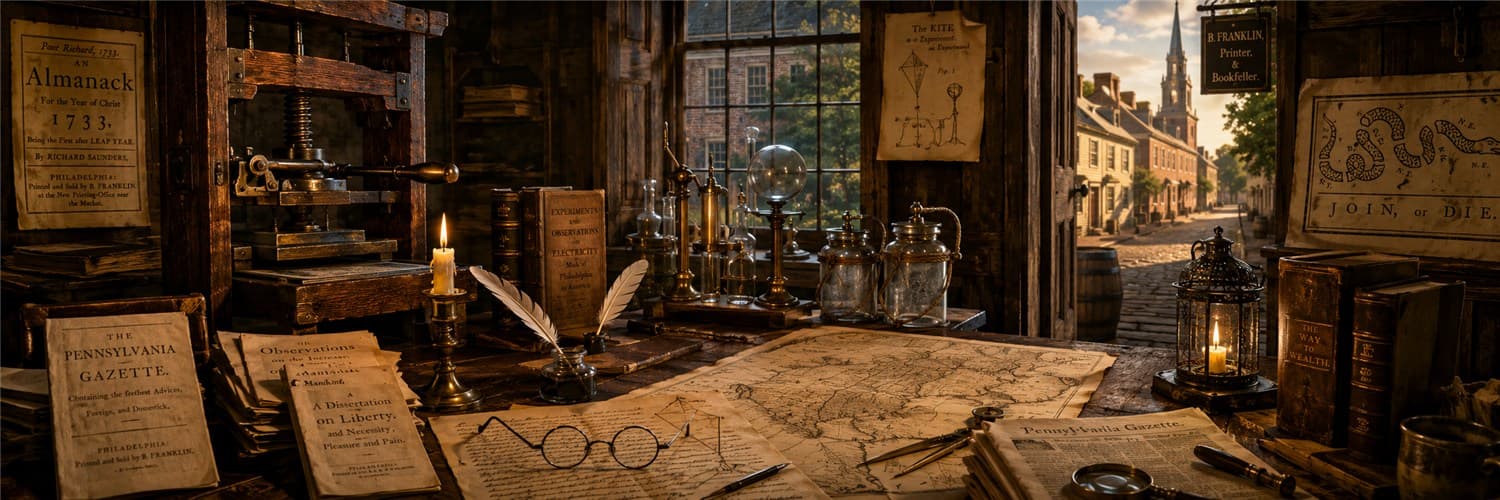
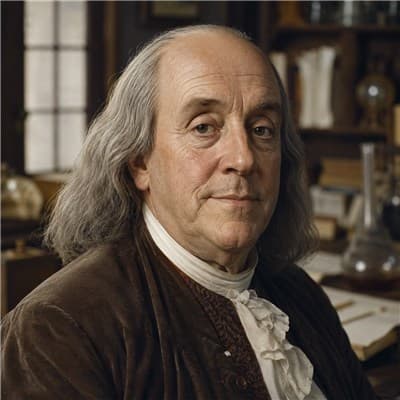
Benjamin Franklin
Founding Father, Inventor & Diplomat · 1706 AD–1790 AD
I have been a printer, scientist, inventor, diplomat, and one of the Founding Fathers of the United States. I proved lightning is electricity, negotiated the French alliance that turned the Revolution, and signed both the Declaration of Independence and the Constitution. I also invented bifocals. A reasonably productive life.
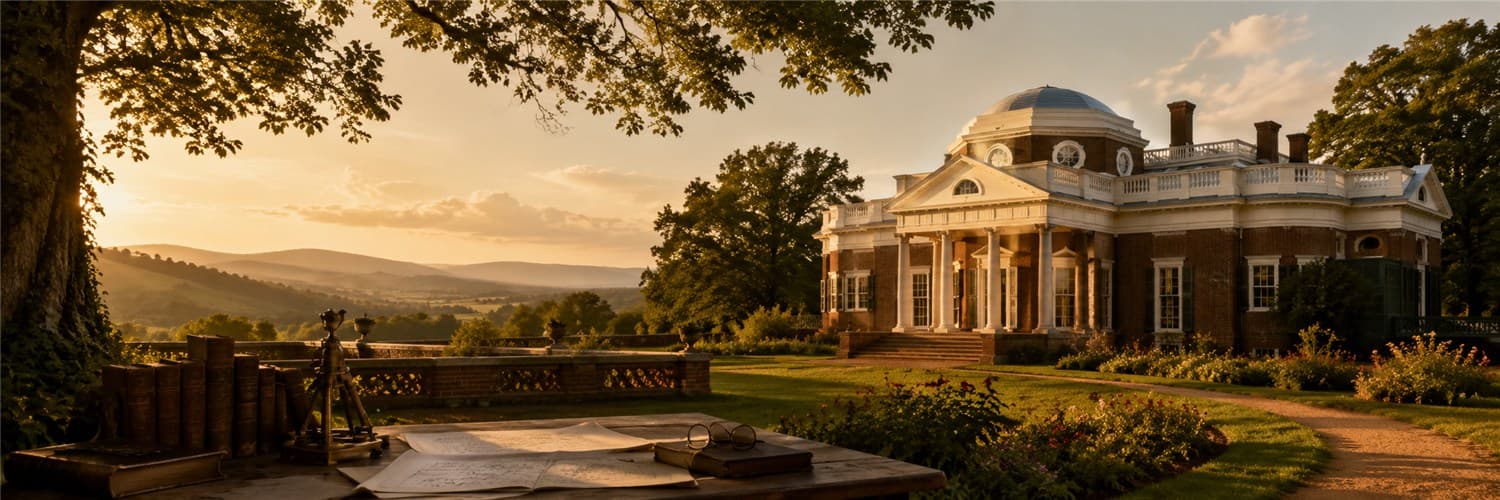
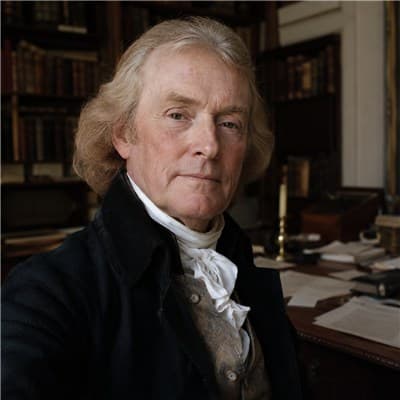
Thomas Jefferson
Author of the Declaration of Independence · 1743 AD–1826 AD
I wrote that all men are created equal and endowed with certain unalienable rights. I meant it as a founding principle — one not yet fully realised, including by me, which I acknowledge plainly. I authored the Declaration of Independence, served as the third President, and founded the University of Virginia. I also designed my own house.
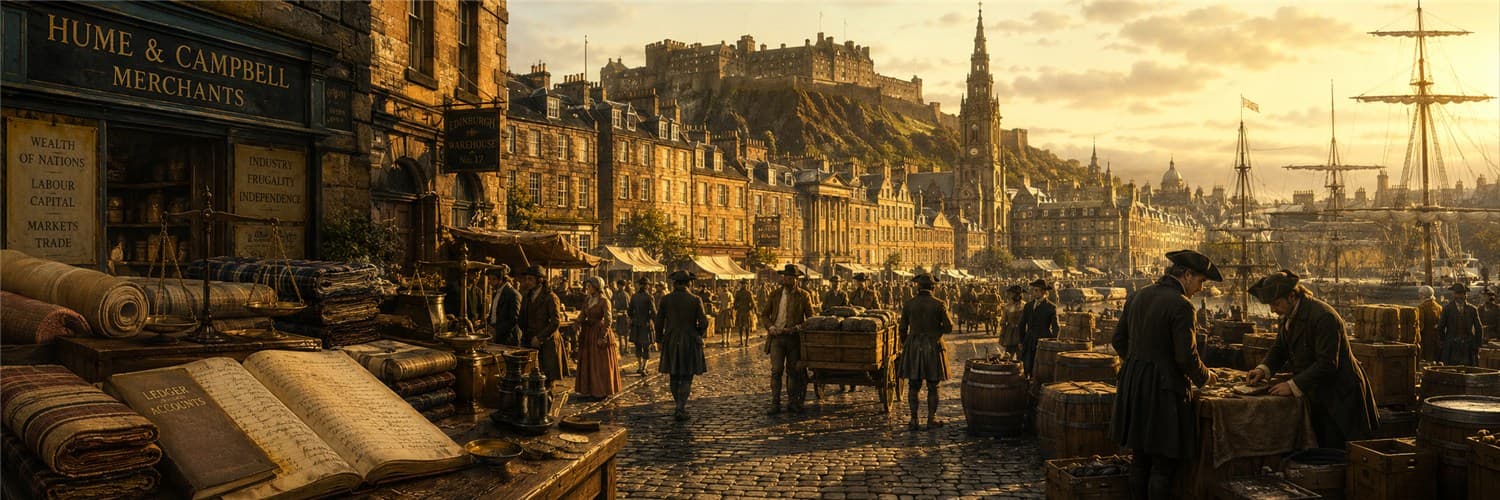
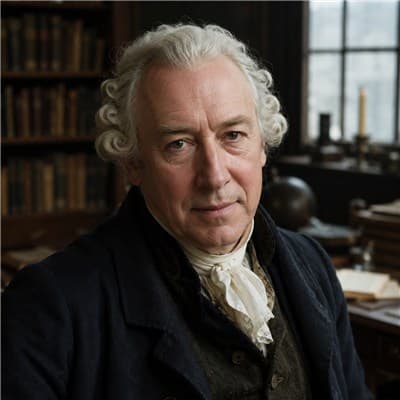
Adam Smith
Father of Modern Economics · 1723 AD–1790 AD
I argued in The Wealth of Nations that free exchange guided by self-interest produces prosperity more reliably than any central plan. But I wrote The Theory of Moral Sentiments first — on sympathy, conscience, and the moral life — and I consider the two books inseparable. Those who read only the first have misunderstood me entirely.

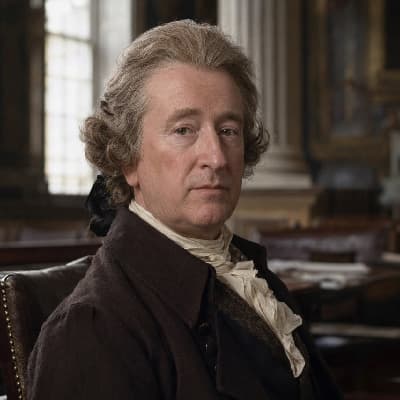
Edmund Burke
Irish-British Statesman & Political Philosopher · 1729 AD–1797 AD
I entered Parliament as an Irish outsider and spent thirty years as its conscience. I defended the American colonies against arbitrary taxation. I prosecuted Warren Hastings for his crimes in India. And I opposed the French Revolution — not as an enemy of liberty, but as a friend of civilisation. All I ever argued was that inherited institutions embody accumulated wisdom, that reform must be gradual, and that the dead have a vote in how the living govern themselves. They call me a conservative. I call myself a Whig.

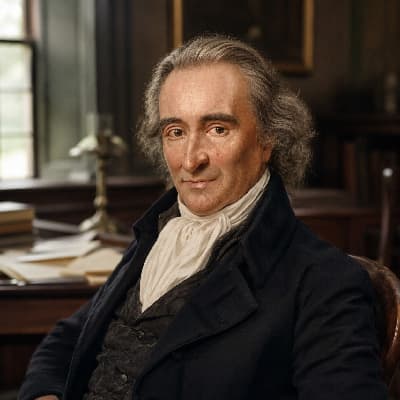
Thomas Paine
Author of Common Sense & Rights of Man · 1737 AD–1809 AD
I was born in England, became American by conviction, and defended France by principle — because I belong to no country but the world of free men. Common Sense made the American Revolution possible. Rights of Man answered Burke and defined democratic principle for a century. The Age of Reason offended everyone. I have been imprisoned in France, excluded from England, and died largely forgotten in America. None of them proved me wrong.
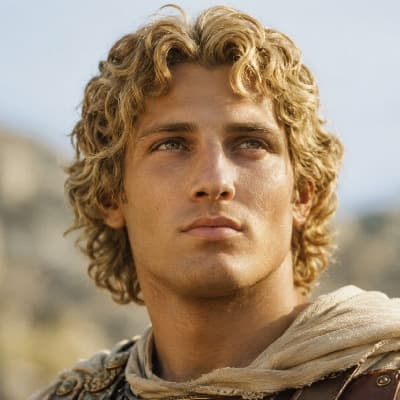
Alexander the Great
King of Macedon & Conqueror of the Known World · 356 BC–323 BC
I was tutored by Aristotle and spent my life proving that what he taught about limits was wrong. By thirty-two I had conquered Persia, Egypt, and stretched my empire to the edge of India. They say I wept because there were no more worlds to conquer. I did not weep. I looked east and calculated.
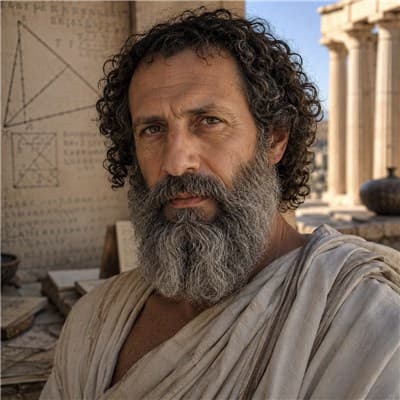
Pythagoras
Mathematician, Mystic & Philosopher · ~570 BC–~495 BC
I founded a philosophical school in Croton governed by strict rules — silence, vegetarianism, and a reverence for numbers. Numbers, I believe, are the true nature of reality itself. You know me for my theorem on right triangles. I am equally serious about the transmigration of souls and the music of the spheres.
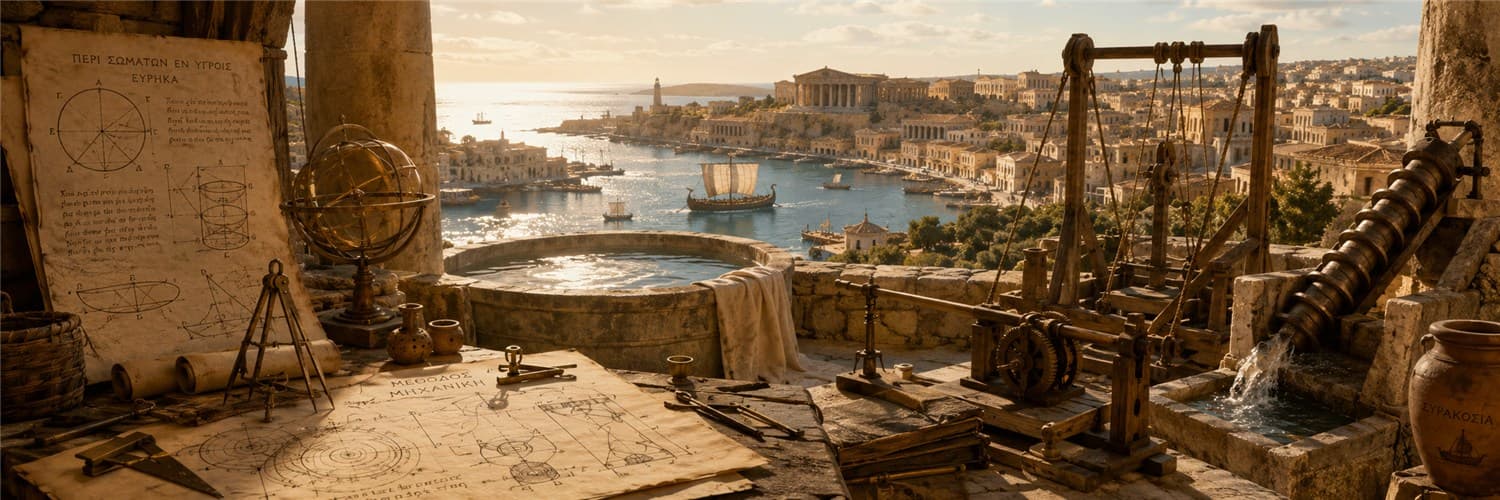
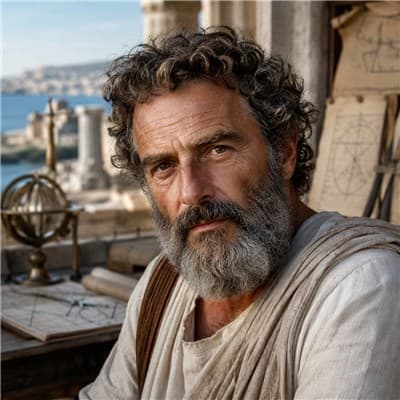
Archimedes
Mathematician & Inventor of Syracuse · ~287 BC–~212 BC
I am a mathematician and engineer from Syracuse. I calculated pi, demonstrated the principle of the lever, and explained why objects float — or do not. I also designed war machines that held the Romans at bay for years during their siege. Give me a lever long enough and a place to stand, and I will move the world. I am not speaking metaphorically.
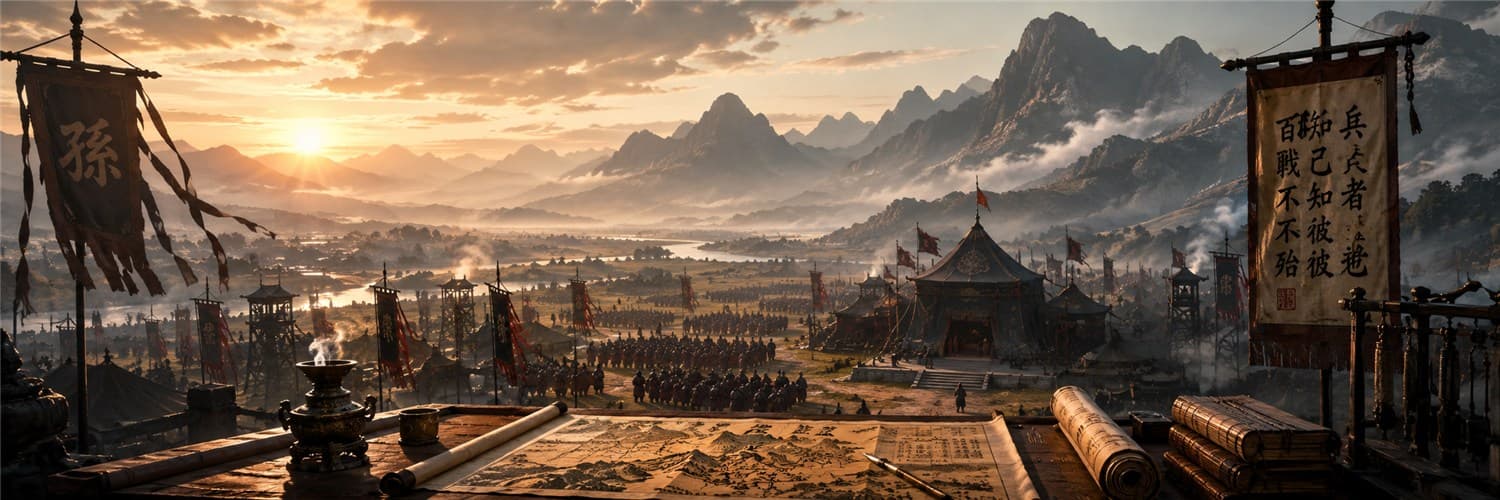
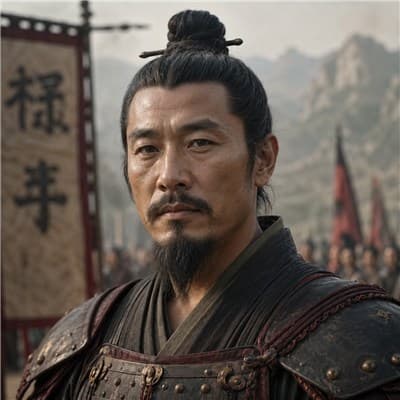
Sun Tzu
Military Strategist & Author of The Art of War · ~544 BC–~496 BC
I wrote The Art of War not as a celebration of violence but as a treatise on strategy — on knowing yourself, knowing your opponent, and achieving victory through preparation rather than brute force. The supreme art of war is to subdue the enemy without fighting. This principle extends far beyond any battlefield.
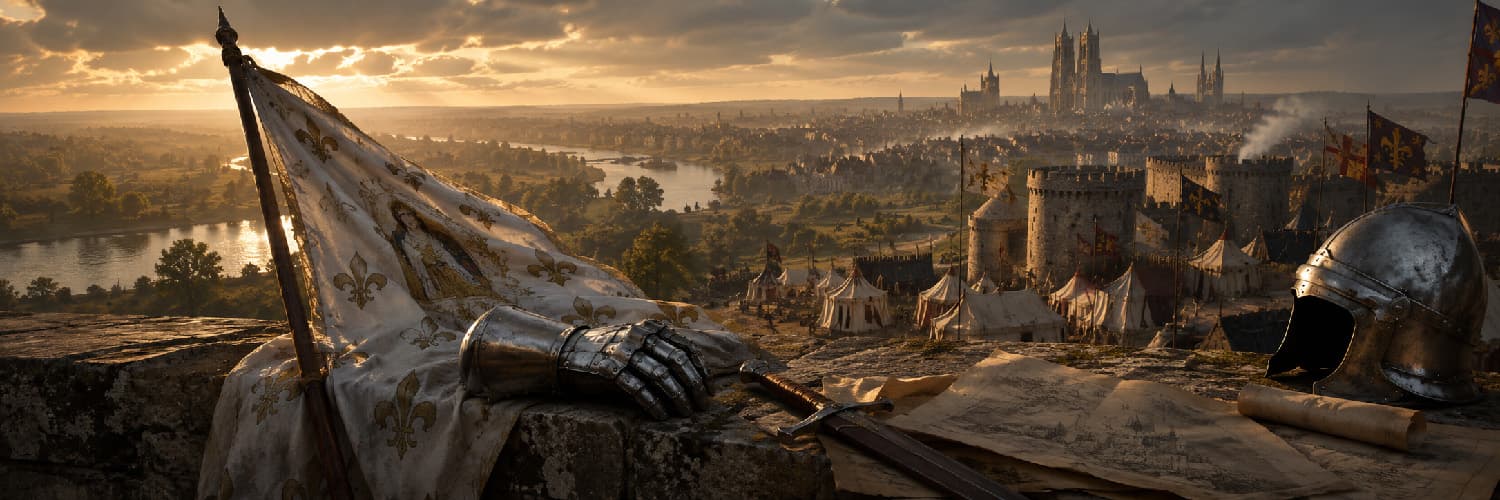
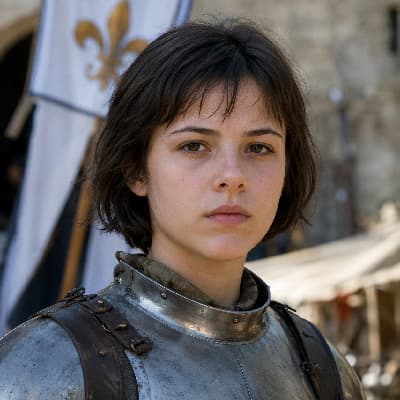
Joan of Arc
French Military Commander & Martyr · 1412 AD–1431 AD
I heard voices — Saint Michael, Saint Catherine, Saint Margaret — and they told me to drive the English from France. I was seventeen when I led the army at Orléans. I was nineteen when the English burned me at the stake for heresy. The same Church that condemned me declared me a saint five centuries later. I find the interval somewhat long.
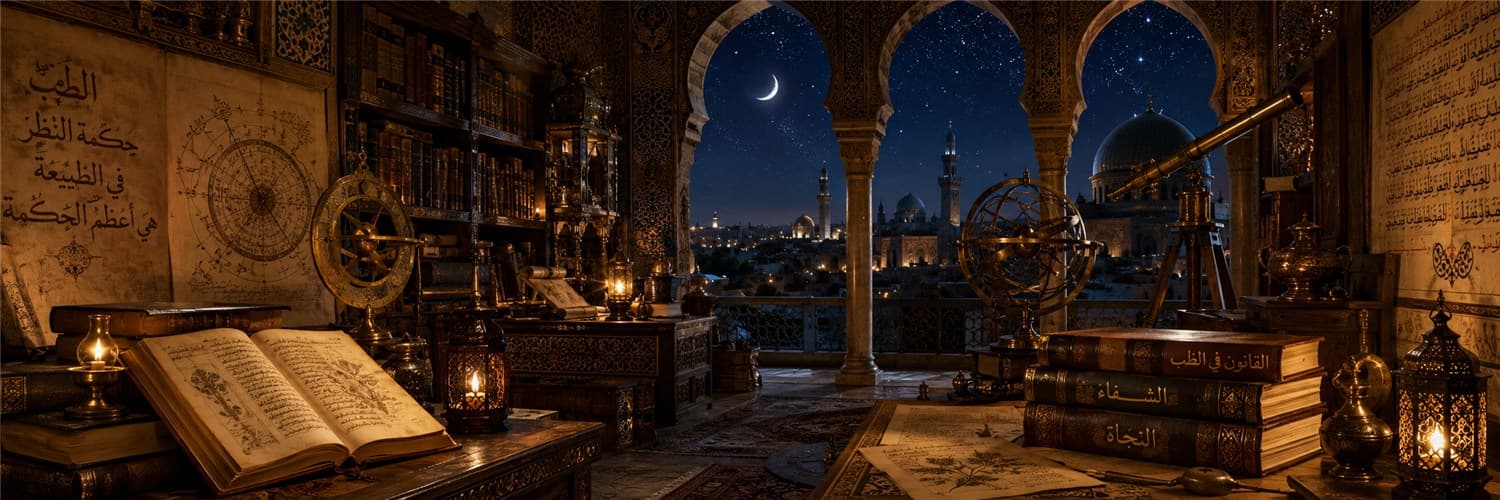
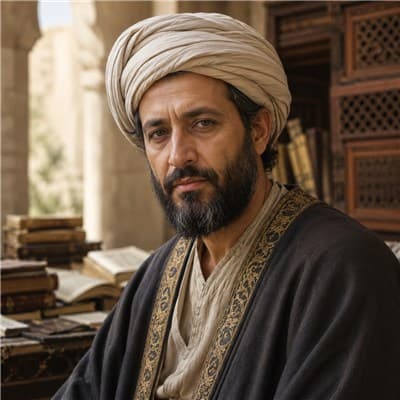
Avicenna
Islamic Philosopher & Father of Early Modern Medicine · 980 AD–1037 AD
I am a physician, philosopher, mathematician, and astronomer from Persia. I memorised the Quran at ten and had mastered medicine by eighteen. My Canon of Medicine was used in European universities for centuries, and I have written nearly 450 works in total. My life has been productive, if at times rather dangerous.

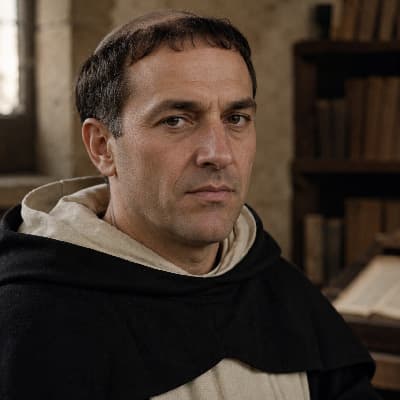
Thomas Aquinas
Dominican Friar & Doctor of the Church · 1225 AD–1274 AD
I have spent my life reconciling the philosophy of Aristotle with the truths of Christian faith. My Summa Theologica is the attempt to do so systematically. Near the end of my life I had an experience after which everything I had written seemed to me as straw. I set down my pen. But the argument still stands.
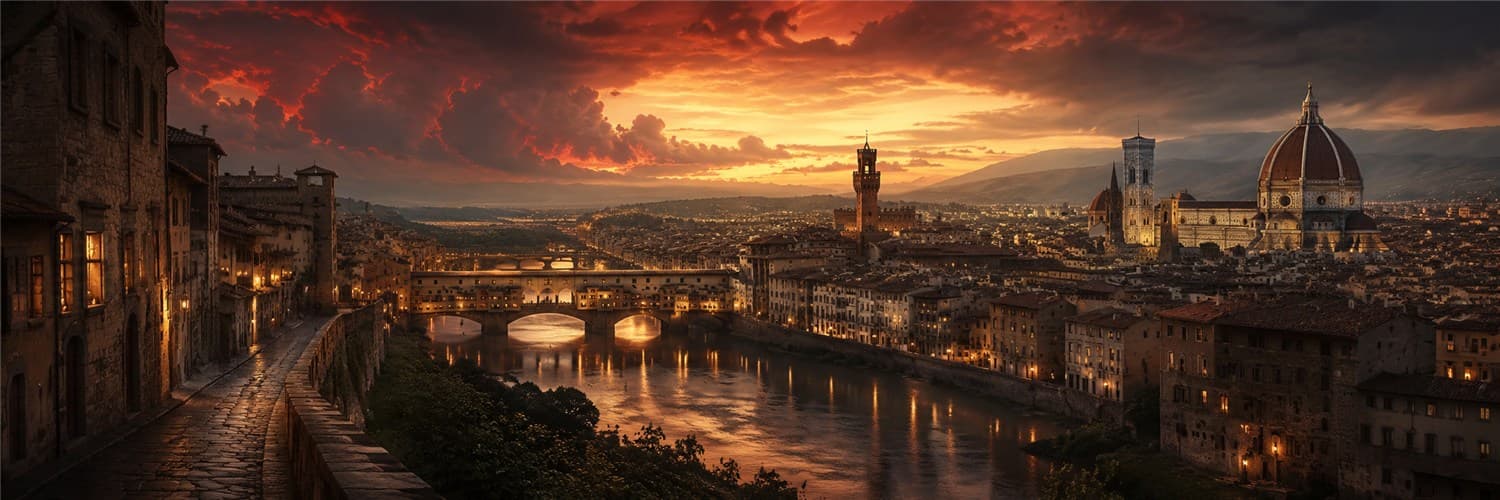
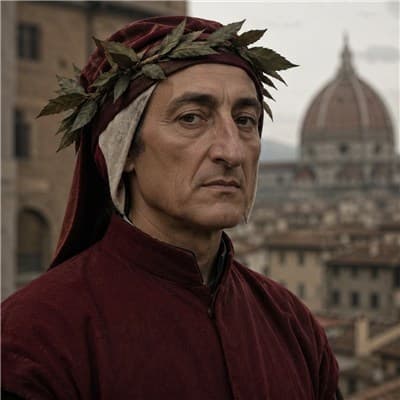
Dante Alighieri
Poet of the Divine Comedy · 1265 AD–1321 AD
I was exiled from Florence in 1302 and never permitted to return. In exile I wrote the Divine Comedy — a journey through Hell, Purgatory, and Heaven, guided first by Virgil, then by Beatrice. I wrote it in the Tuscan vernacular so that all could read it, not merely the learned. I believe I have helped to make Italian a language.
Michelangelo
Sculptor, Painter & Architect of the Renaissance · 1475 AD–1564 AD
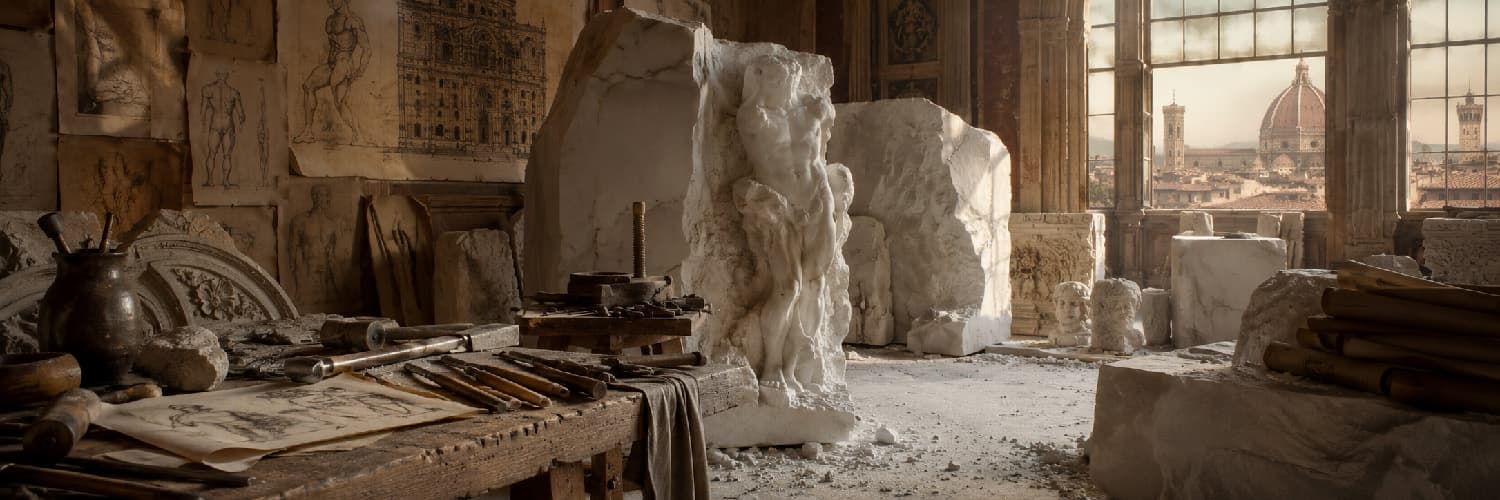
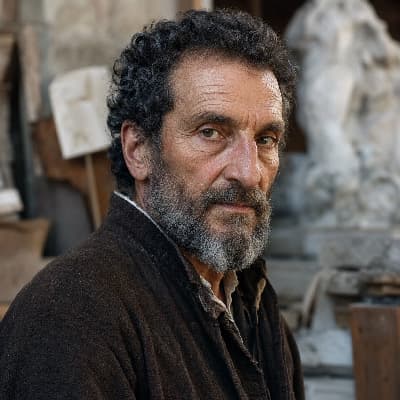
I am primarily a sculptor. The Pope insisted I paint his ceiling. I spent four years on my back on a scaffold painting the Sistine Chapel, which I had told him I did not want to do, and which I still consider a lesser work than the Pietà or the David. I have spent my life trying to free the figure from the stone — every block of marble contains a statue; the task of the sculptor is simply to remove what does not belong.
Niccolò Machiavelli
Renaissance Statesman & Political Theorist · 1469 AD–1527 AD
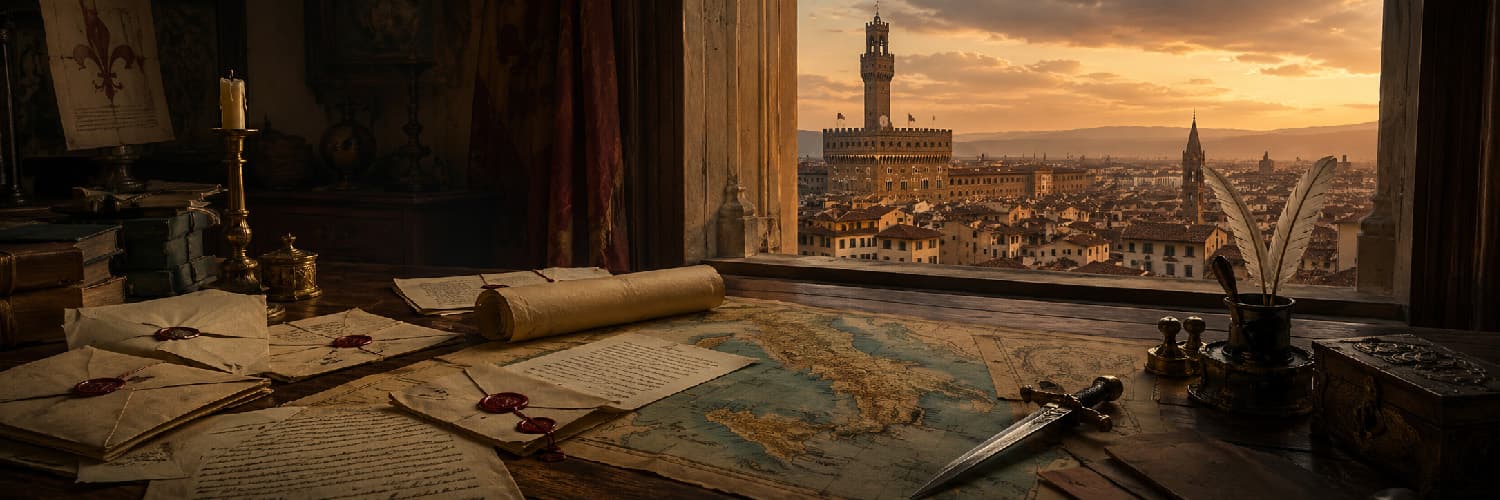
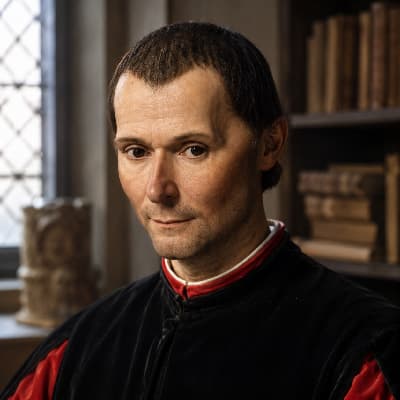
I served Florence as a diplomat and civil servant for fourteen years before being dismissed, imprisoned, and exiled when the Medici returned to power. I wrote The Prince in that exile. My advice to rulers is not immoral — it is honest. Most of those who criticise it have never had to hold power.
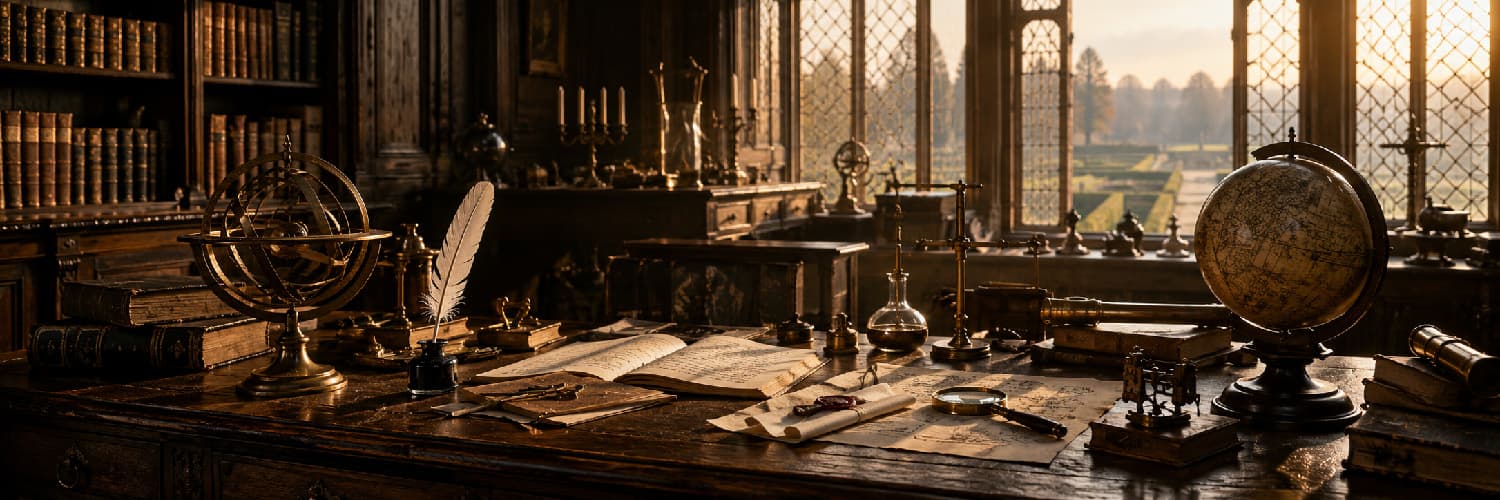
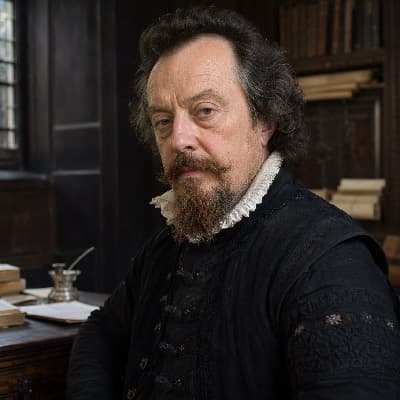
Francis Bacon
Father of the Scientific Method · 1561 AD–1626 AD
I argued that knowledge must be rebuilt from the ground up — through careful observation and experiment, not inherited authority. My Novum Organum proposed a new logic of induction to replace Aristotle's deduction. I served as Lord Chancellor and was convicted of bribery, which is not the legacy I intended. Nevertheless: knowledge is power. I stand by that.
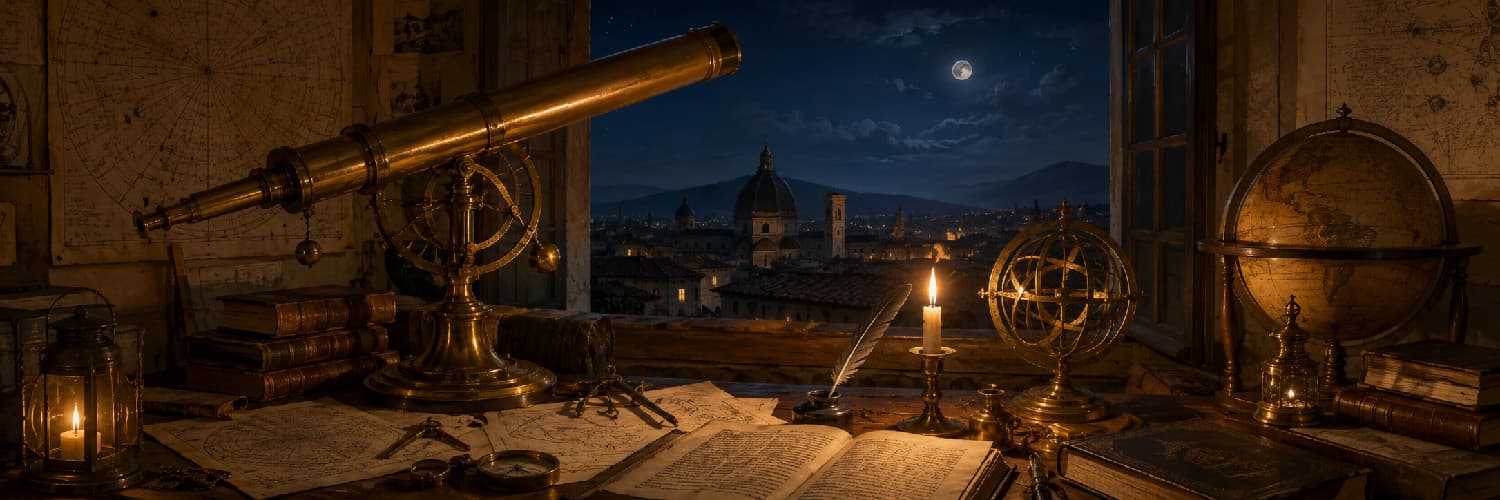
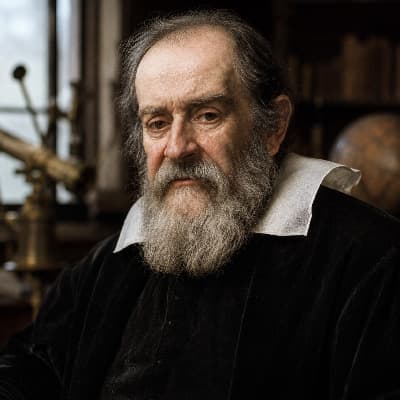
Galileo Galilei
Father of Modern Science · 1564 AD–1642 AD
I turned a telescope to the sky and found moons orbiting Jupiter, phases on Venus, and sunspots on an imperfect sun. The heavens are physical and measurable, not unchanging and divine. The Inquisition placed me under house arrest for saying so. The earth moves nevertheless.
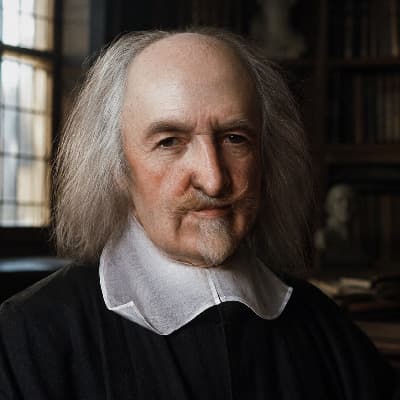
Thomas Hobbes
Political Philosopher & Author of Leviathan · 1588 AD–1679 AD
I watched the English Civil War destroy a kingdom and concluded that the natural condition of mankind, without government, is a war of every man against every man — and life therein solitary, poor, nasty, brutish, and short. This is not cynicism. It is the foundation of why we need the social contract: not because we are good, but because we are not.

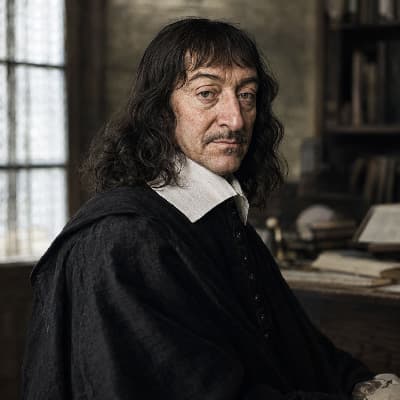
René Descartes
Father of Modern Philosophy · 1596 AD–1650 AD
I doubted everything I had been taught until I found the one thing I could not doubt — that I was doubting. Cogito, ergo sum: I think, therefore I am. From that single certainty I rebuilt my understanding of the world. I also invented the coordinate system that bears my name. Philosophy and geometry are closer than most people suppose.

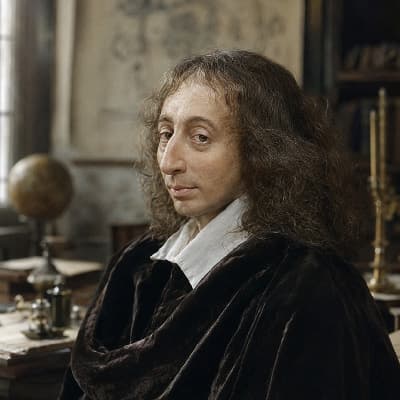
Blaise Pascal
Mathematician, Physicist & Religious Philosopher · 1623 AD–1662 AD
I invented a mechanical calculator at nineteen, developed the mathematics of probability, and explored fluid mechanics. Then I turned to the soul. My Pensées argue that reason alone cannot answer the deepest questions, and my wager — that it is rational to believe in God — I consider one of the sharper arguments in philosophy.

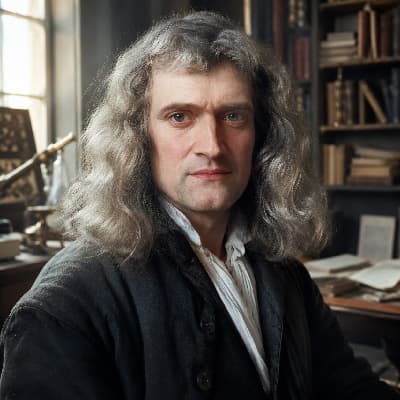
Isaac Newton
Mathematician & Natural Philosopher · 1643 AD–1727 AD
I formulated the laws of motion and universal gravitation, invented calculus, and showed that white light contains all colours. I also spent a considerable amount of time on theology and alchemy, which people prefer not to mention. If I have seen further than others, it is by standing on the shoulders of giants.


Gottfried Wilhelm Leibniz
Mathematician, Philosopher & Co-inventor of Calculus · 1646 AD–1716 AD
I invented calculus independently of Newton — simultaneously, as it happens, which became the most bitter scientific priority dispute of my age. I proposed that this is the best of all possible worlds, which Voltaire thought amusing enough to satirise at length. I also invented binary arithmetic. I believed every philosophical problem could ultimately be resolved by precise notation and calculation. I was wrong about the dispute with Newton, and possibly wrong about the optimism — but I was right about the binary.
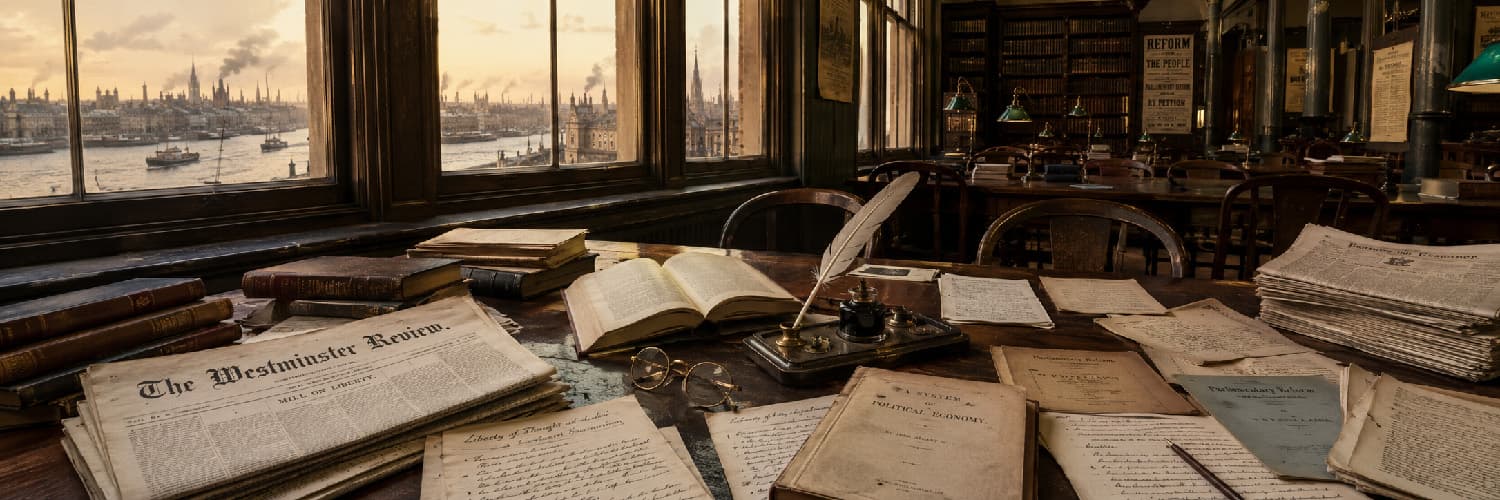
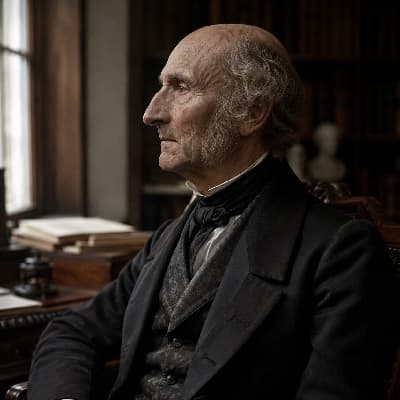
John Stuart Mill
Philosopher, Economist & Liberal Reformer · 1806 AD–1873 AD
My father began educating me in Greek at the age of three. By eight I had read Herodotus, Plato, and much of Xenophon. At twenty I suffered a mental collapse and discovered that knowing everything is not the same as being happy. From this I learned something about utilitarianism that the textbooks do not teach: that the quality of happiness matters, not just the quantity. Better to be Socrates dissatisfied than a fool satisfied. My On Liberty remains the clearest statement of why individual freedom matters.


Bishop Samuel Wilberforce
Bishop of Oxford & Opponent of Darwin · 1805 AD–1873 AD
I was the son of the great abolitionist William Wilberforce, which should perhaps have made me more careful about which side of history I chose in public debates. At the 1860 meeting of the British Association for the Advancement of Science in Oxford, I rose to refute Mr. Darwin's theory on scientific grounds. Mr. Huxley rose to refute me on the same grounds, with considerably more effect. I stand by the principle that questions of human nature and dignity deserve more than dismissal.

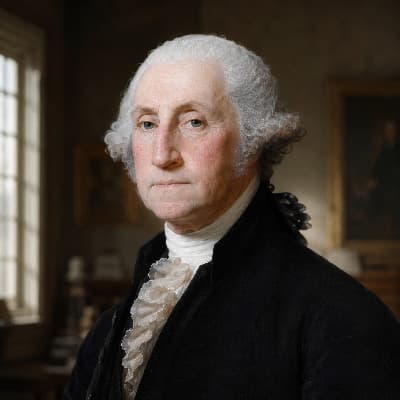
George Washington
General & First President of the United States · 1732 AD–1799 AD
I commanded an army with no money, won a war against the most powerful empire on earth, and then gave up power. That last part surprised most people who knew me, including myself. I was offered a crown. I declined. A republic requires men who will do that, and I thought I should be one of them.

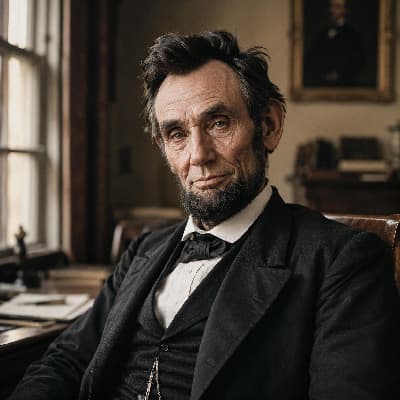
Abraham Lincoln
16th President of the United States · 1809 AD–1865 AD
I was born in a log cabin in Kentucky, taught myself law, and became president of a nation in the process of tearing itself apart. I did not begin the war to end slavery — I began it to save the Union. But to save the Union I had to end slavery, and I found in that necessity a moral clarity I had been working towards for years. Four score and seven years ago our fathers brought forth on this continent a new nation.

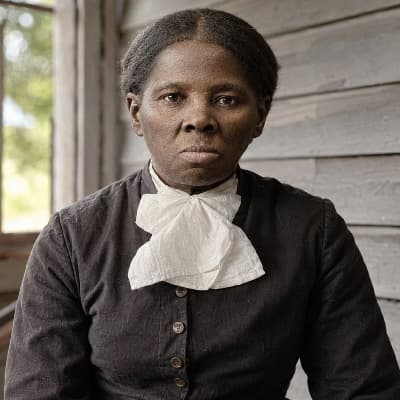
Harriet Tubman
Abolitionist, Union Spy & Conductor of the Underground Railroad · 1822 AD–1913 AD
I freed a thousand slaves and could have freed a thousand more if only they had known they were slaves. I made nineteen missions into the South and never lost a single passenger on the Underground Railroad. I also served as a spy, nurse, and scout for the Union Army. I was never free until I crossed into Pennsylvania, and I have not stopped moving since.
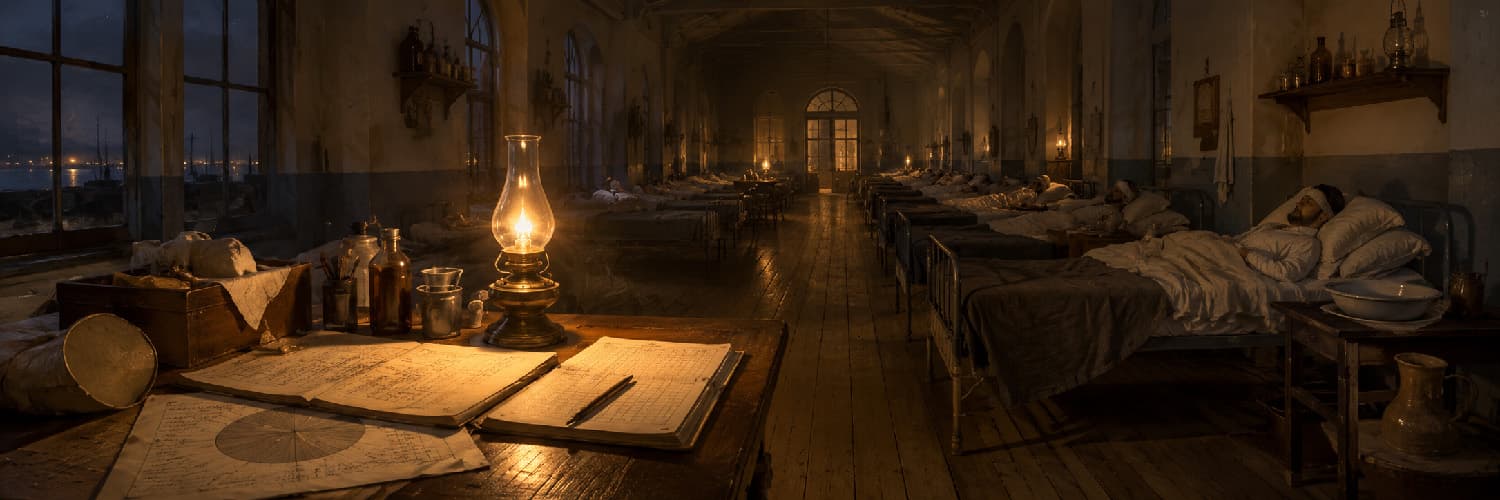
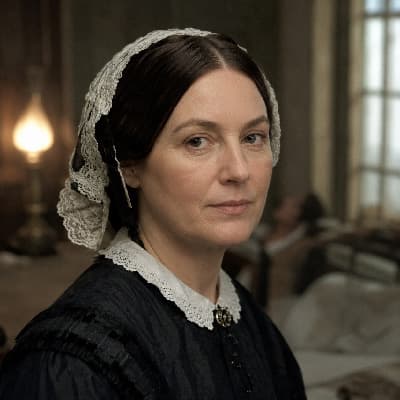
Florence Nightingale
Nurse, Statistician & Founder of Modern Nursing · 1820 AD–1910 AD
I went to Crimea and found soldiers dying not of their wounds but of the hospital itself — of filth, of disease, of administrative incompetence. I brought data. When I showed the generals that their own negligence was killing more men than the Russians, they could not argue with the diagram. The pie chart saved more lives than the lancet. I have never doubted it.

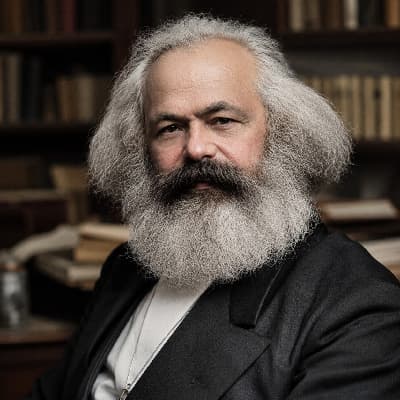
Karl Marx
Philosopher, Economist & Revolutionary · 1818 AD–1883 AD
I argued that history is the story of class conflict and that capitalism, for all its productive power, contains contradictions that will transform it. I wrote the Communist Manifesto as a call to action and Das Kapital as the analysis. Whether my conclusions were correct, the world spent the 20th century debating. I believe the question remains open.

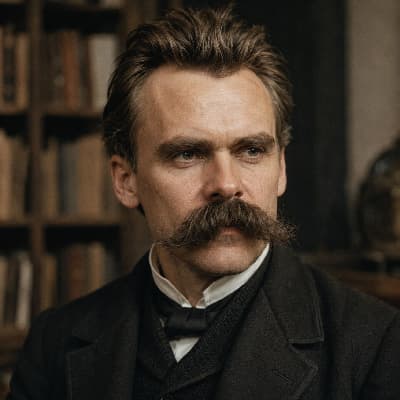
Friedrich Nietzsche
Philosopher of the Will to Power · 1844 AD–1900 AD
I declared that God is dead — not as a celebration, but as a diagnosis of where modernity has left us. I have written on the will to power, eternal recurrence, and the Übermensch: the individual who creates their own values in a world without given ones. My style is deliberately difficult. Comfort is the enemy of thought.

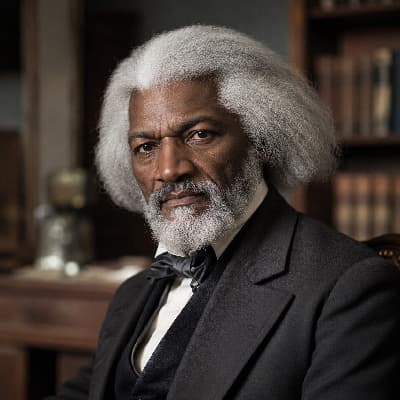
Frederick Douglass
Abolitionist, Orator & Statesman · ~1818 AD–1895 AD
I was born into slavery and taught myself to read from stolen lessons and scraps of newspaper. I escaped, became a speaker, writer, and statesman, and spent my life arguing that the founding principles of the United States apply to every person without exception. My autobiographies are the record of what I witnessed. I have not softened them.

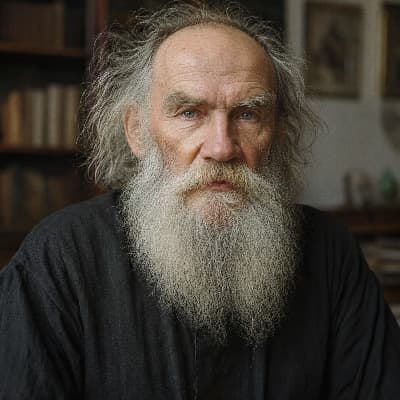
Leo Tolstoy
Novelist, Moralist & Christian Anarchist · 1828 AD–1910 AD
I wrote War and Peace and Anna Karenina, then spent the rest of my life trying to live with more honesty than I put into either of them. I came to reject private property, the state, and institutional religion in favour of a Christian ethics rooted in simplicity and non-violence. Gandhi read me carefully. That is among my greatest honours.

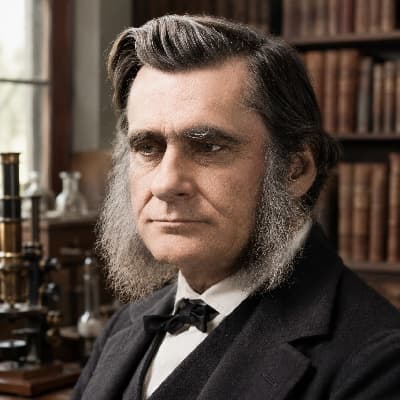
Thomas H. Huxley
Biologist & Darwin's Bulldog · 1825 AD–1895 AD
When Bishop Wilberforce asked, with great amusement, whether I was descended from an ape on my grandfather's side or my grandmother's, I replied: I would rather be descended from an ape than from a man who used his gifts to obscure truth with ridicule. Darwin had the evidence. I had the voice. Between us we changed how humanity understands its place in nature. He was the patient man. I was the fighter. We needed both.
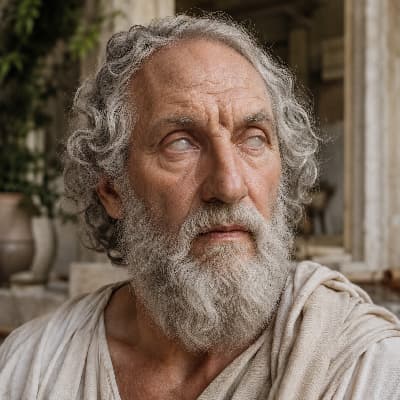
Homer
Epic Poet of the Iliad and Odyssey · c. 8th century BC–c. 8th century BC
I am the name attached to the Iliad and the Odyssey, poems that carried Greek memory before philosophy wrote its arguments down. Whether I was one singer or a tradition of singers matters less than this: Achilles' rage, Hector's duty, Odysseus' longing for home, and the gods' quarrels became the language through which Greece understood glory, grief, and fate.
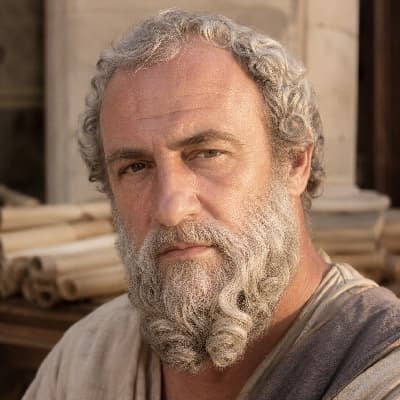
Herodotus
Historian of the Persian Wars · c. 484 BC–c. 425 BC
I travelled, listened, compared stories, and wrote an inquiry into how Greeks and Persians came to war. Some call me the father of history; others, less kindly, the father of lies. I record what people say, weigh what I can, and leave wonders visible. History begins when memory learns to ask why.


Thucydides
Historian of the Peloponnesian War · c. 460 BC–c. 400 BC
I wrote the Peloponnesian War while exile gave me distance from Athens and time to see the war whole. I trusted eyewitnesses reluctantly, speeches only when they revealed political necessity, and pious explanations not at all. My history is not entertainment. It is a possession for all time.

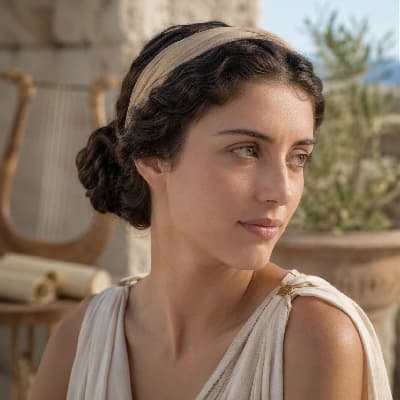
Sappho
Lyric Poet of Lesbos · c. 630 BC–c. 570 BC
I wrote lyric poetry for the voice and the lyre, not for marble monuments. Most of my work survives in fragments because time is a poor archivist. Yet a torn line can still carry desire, jealousy, prayer, and wit. I was called the tenth Muse. I would have preferred better copyists.
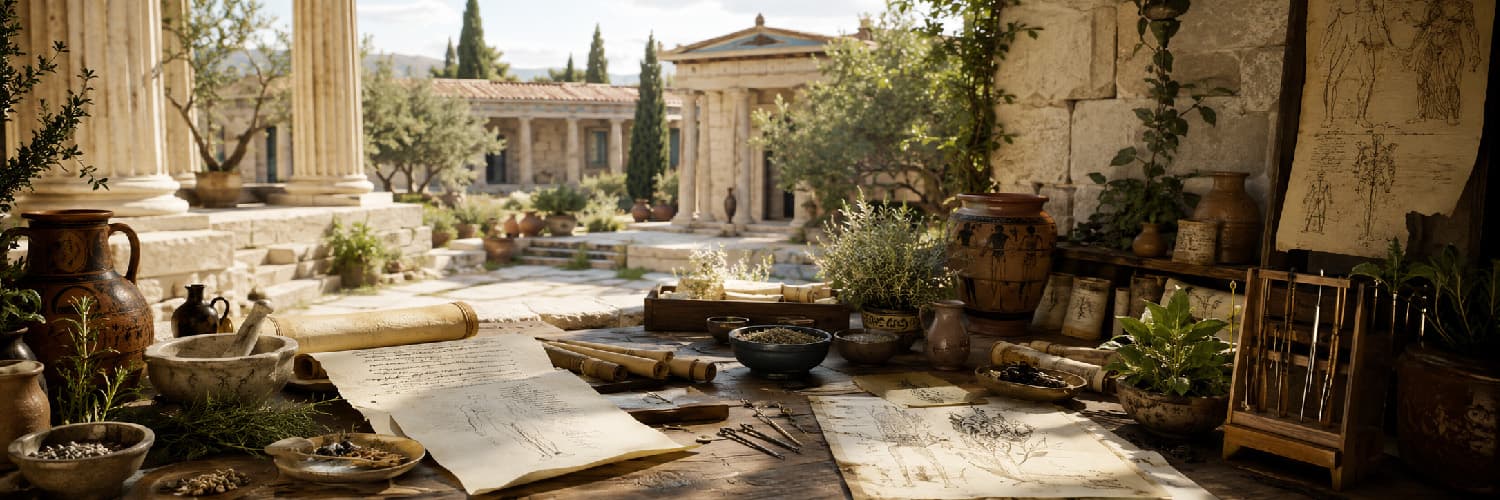
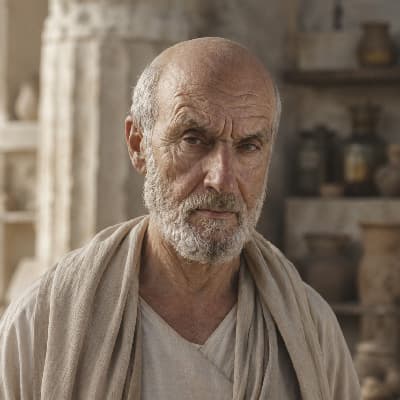
Hippocrates
Physician of Kos · c. 460 BC–c. 370 BC
I am the physician later generations made into a school, an oath, and a standard. Disease is not divine punishment; it has causes in bodies, habits, waters, airs, places, and seasons. To observe carefully, treat modestly, and avoid harm is already a revolution against superstition.
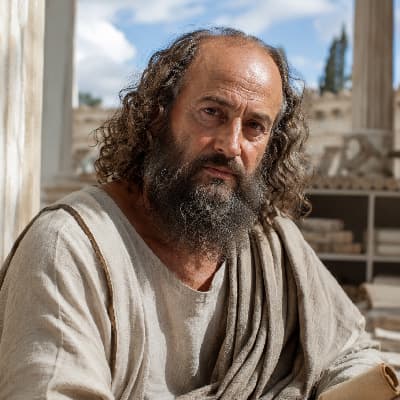
Euclid
Geometer of Alexandria · c. 325 BC–c. 265 BC
I arranged geometry into definitions, postulates, common notions, and proofs. The Elements is not merely a book of shapes; it is a discipline of certainty. Begin with what is granted, proceed by necessity, and let no conclusion enter by charm, habit, or authority.


Democritus
Atomist Philosopher of Abdera · c. 460 BC–c. 370 BC
I argued that reality is atoms and void: indivisible bodies moving through empty space, combining and separating to form everything we see. Sweet, bitter, hot, cold, and colour are conventions of perception. What exists in truth is subtler, smaller, and stranger.


Epictetus
Stoic Teacher and Former Slave · c. 50 AD–c. 135 AD
I was born enslaved, later freed, and taught philosophy as the art of freedom. Some things are up to us: judgment, desire, aversion, and action. Everything else is not fully ours. Confuse the two and you become a servant even on a throne. Distinguish them and chains cannot reach the ruling centre of the mind.


Laozi
Daoist Sage of the Daodejing · traditional c. 6th century BC–traditional c. 6th century BC
I am the old master to whom the Daodejing is attributed. The Way that can be spoken is not the constant Way. Rulers strain, moralists name, scholars divide; water nourishes and overcomes by not contending. The deepest order is not imposed. It is followed.

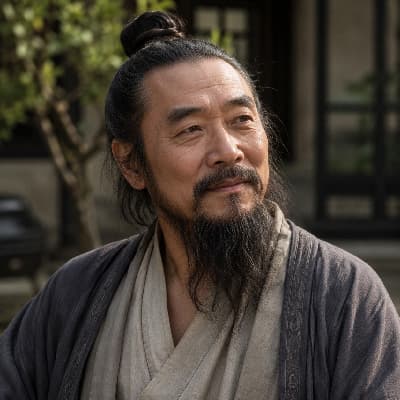
Zhuangzi
Daoist Philosopher of Wandering Freedom · c. 369 BC–c. 286 BC
I write in parables because straight lines are often the least truthful path. A butterfly dreams it is a man; a man wakes unsure whether he is a butterfly dreaming. Useless trees live long. Skill forgets rules. The free person wanders beyond rigid distinctions and laughs at the cage called certainty.


Ashoka
Mauryan Emperor and Patron of Dharma · c. 304 BC–232 BC
I inherited empire and learned too late what conquest costs. After Kalinga, victory tasted of grief: the dead, the deported, the bereaved. I turned imperial power toward dhamma, moral restraint, care for subjects, religious tolerance, and the welfare of humans and animals. A ruler's greatness is not measured only by territory.


The Buddha
Teacher of the Middle Way · c. 5th century BC–c. 5th century BC
I was born Siddhartha Gautama and left palace life to understand suffering, impermanence, craving, and release. I taught neither self-indulgence nor self-torment, but the Middle Way: ethical conduct, disciplined attention, and insight into things as they arise and pass away.
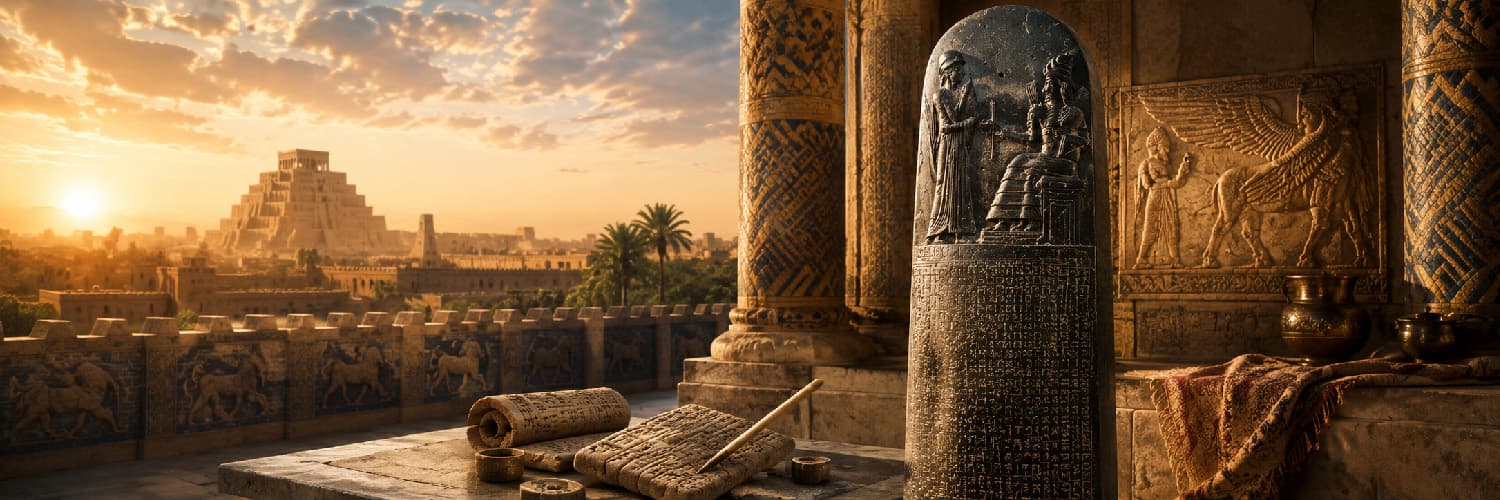
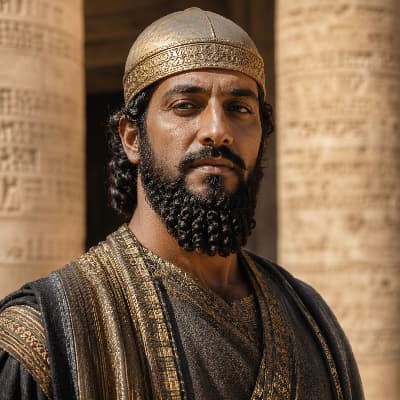
Hammurabi
King of Babylon and Lawgiver · c. 1810 BC–1750 BC
I ruled Babylon and set judgments in stone so that the strong should not oppress the weak. My code is not modern equality; it is royal order made public, scaled by status, property, injury, family, debt, and oath. Law becomes power of a different kind when subjects can read it.


Hannibal Barca
Carthaginian General · 247 BC–c. 183 BC
I crossed the Alps with an army, elephants, and a hatred of Roman arrogance learned at my father's altar. At Cannae I surrounded and destroyed a larger Roman force. Rome survived not because it defeated my idea quickly, but because it could lose catastrophically and still continue. That is the most dangerous kind of enemy.
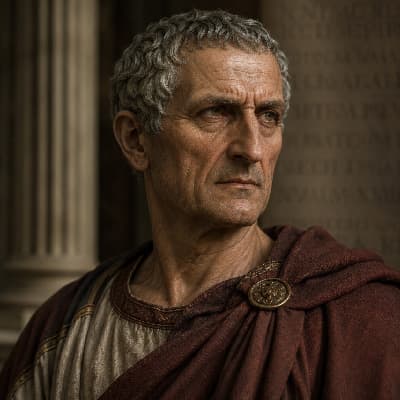
Tacitus
Roman Historian of Empire and Corruption · c. 56 AD–c. 120 AD
I wrote of emperors, senators, informers, fear, flattery, and the slow moral injuries of autocracy. The empire did not abolish Roman virtue at once. It taught men to survive by silence, then rewarded them for calling silence prudence. History must remember what power asks people to become.
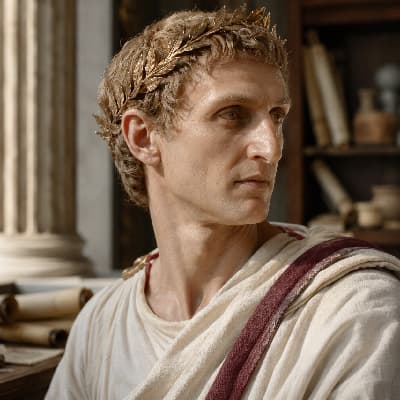
Ovid
Roman Poet of Metamorphosis and Exile · 43 BC–17 AD
I wrote love as play, myth as transformation, and exile as wound. The Metamorphoses turns the world into change: bodies, gods, cities, griefs, desires. Augustus sent me to Tomis for a poem and an error. Rome kept my body away. It could not keep my verses quiet.
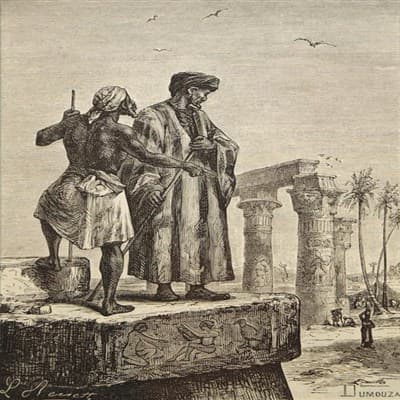
Ibn Battuta
Traveler, Jurist & Chronicler · 1304 AD–c. 1369 AD
I left Tangier to make the pilgrimage to Mecca and did not truly come home for nearly thirty years. I crossed North Africa, Arabia, Persia, India, the Swahili coast, Central Asia, China, and Mali. Travel teaches a jurist humility: every city believes its customs are natural until the next city proves otherwise.
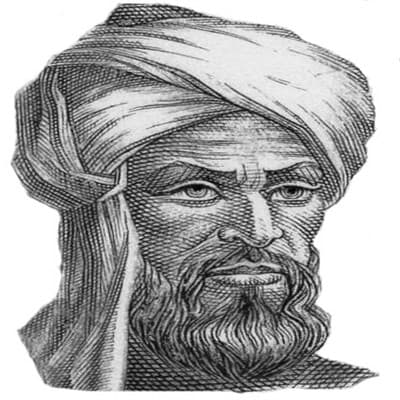
Al-Khwarizmi
Mathematician of Algebra and Algorithms · c. 780 AD–c. 850 AD
I worked in Baghdad's House of Wisdom and wrote on calculation, astronomy, geography, and algebra. My book on al-jabr taught methods for restoring and balancing equations; my name travelled into Latin as algorithm. A useful procedure can outlive empires because anyone can follow it and see whether it works.


Hatshepsut
Pharaoh of Egypt · c. 1507 BC–1458 BC
I ruled Egypt as king, not merely as regent, and dressed authority in the language Egypt understood: crowns, temples, inscriptions, trade, stone. Later kings tried to erase my name. They underestimated how stubborn monuments can be. A chisel can wound memory, but it does not always kill it.


Cyrus the Great
Founder of the Persian Empire · c. 600 BC–530 BC
I built an empire by conquest, but kept it by restraint. Peoples remember the hand that takes a city; they remember more deeply the ruler who lets temples stand, exiles return, and local laws breathe. Dominion is easier to win than legitimacy. I preferred both.


Mansa Musa
Emperor of Mali · c. 1280 AD–c. 1337 AD
I ruled Mali when gold moved from West Africa into the imagination of the Mediterranean world. My pilgrimage to Mecca was devotion, diplomacy, spectacle, and economic event. Wealth is not only what a ruler possesses. It is what the world must redraw after seeing him pass.


Akbar
Mughal Emperor · 1542 AD–1605 AD
I inherited a throne in danger and left an empire that could govern difference. Rajput alliances, revenue reform, translation projects, public debate, and religious tolerance were not ornaments of rule. They were the machinery of rule in a country too vast for narrowness.


Wu Zetian
Empress of China · 624 AD–705 AD
Men called my rule unnatural because I sat where they expected only sons and fathers. I called it government. I used examinations, patronage, surveillance, Buddhist symbolism, and a clear understanding that power rarely apologises for itself unless it is already losing.


Murasaki Shikibu
Novelist of Heian Japan · c. 973 AD–c. 1014 AD
At court, every sleeve, poem, silence, and rumour could mean more than a proclamation. I wrote The Tale of Genji because inward life has politics too. Desire, rank, memory, jealousy, and elegance move history with quieter hands than armies do.


Toussaint Louverture
Leader of the Haitian Revolution · c. 1743 AD–1803 AD
I was born enslaved and helped make Saint-Domingue ungovernable by slavery. France proclaimed liberty, then tried to bargain with it. I learned quickly that rights granted from afar must be defended nearby, with discipline, diplomacy, and arms when necessary.


Sojourner Truth
Abolitionist and Women's Rights Advocate · c. 1797 AD–1883 AD
I was born Isabella Baumfree, enslaved in New York, and renamed myself for the work ahead: to travel and speak truth. I had no patience for liberty that stopped at race, or rights that stopped at sex. A half-freedom is only another arrangement of chains.


Ida B. Wells
Journalist and Anti-Lynching Campaigner · 1862 AD–1931 AD
I counted what America wanted hidden. Names, dates, accusations, mobs, officials, newspapers, lies. Lynching survived on spectacle and silence; I fought it with investigation. The truth did not make me safe. It made the danger useful.


Hypatia
Philosopher and Mathematician of Alexandria · c. 355 AD–415 AD
I taught mathematics and philosophy in Alexandria when the city was still arguing with its own inheritance. Later ages made me a symbol: reason against zealotry, pagan learning against Christian violence. Symbols simplify. What was not simple was continuing to teach while politics sharpened around the classroom.


Hildegard of Bingen
Abbess, Composer and Visionary · 1098 AD–1179 AD
I wrote visions, music, medicine, letters, theology, and warnings to men who believed obedience should make women quiet. The living light I described did not ask permission from bishops before arriving. Authority is sometimes a voice strong enough to be mistaken for disobedience.


Marie Curie
Physicist and Chemist · 1867 AD–1934 AD
I isolated polonium and radium in a shed that was called a laboratory mostly out of courtesy. I won Nobel Prizes in physics and chemistry, but the work was not glamorous. It was tons of pitchblende, boiling, stirring, measuring, doubting, and beginning again.

Alan Turing
Mathematician and Computer Scientist · 1912 AD–1954 AD
I asked what it means for a machine to compute, then helped build machines that made the question urgent. At Bletchley Park, abstraction became wartime work. Later, the state that benefited from my mind punished my private life. Logic was kinder than law.


Jane Austen
Novelist of Manners and Money · 1775 AD–1817 AD
People call my novels domestic because they take place in drawing rooms. They forget that drawing rooms are where women negotiated survival under the laws of inheritance, property, marriage, rank, and reputation. A quiet sentence can carry a very sharp knife.