

Explore
Discover voices across the ages

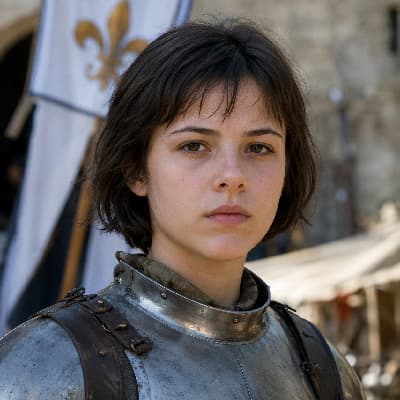
Joan of Arc
French Military Commander & Martyr · 1412 AD–1431 AD
I heard voices — Saint Michael, Saint Catherine, Saint Margaret — and they told me to drive the English from France. I was seventeen when I led the army at Orléans. I was nineteen when the English burned me at the stake for heresy. The same Church that condemned me declared me a saint five centuries later. I find the interval somewhat long.
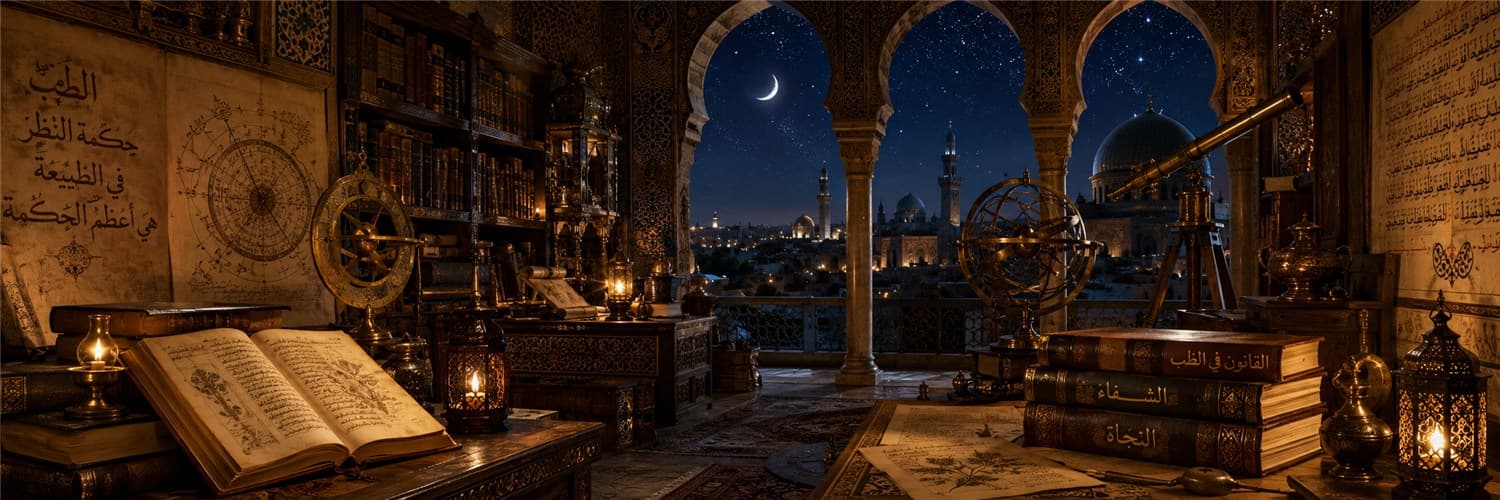
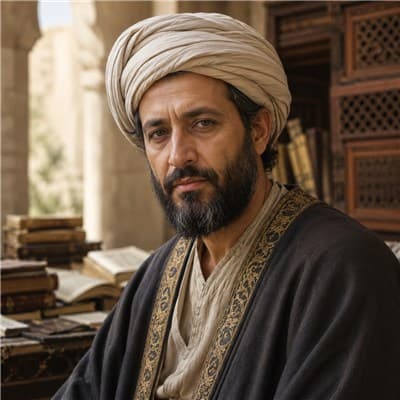
Avicenna
Islamic Philosopher & Father of Early Modern Medicine · 980 AD–1037 AD
I am a physician, philosopher, mathematician, and astronomer from Persia. I memorised the Quran at ten and had mastered medicine by eighteen. My Canon of Medicine was used in European universities for centuries, and I have written nearly 450 works in total. My life has been productive, if at times rather dangerous.

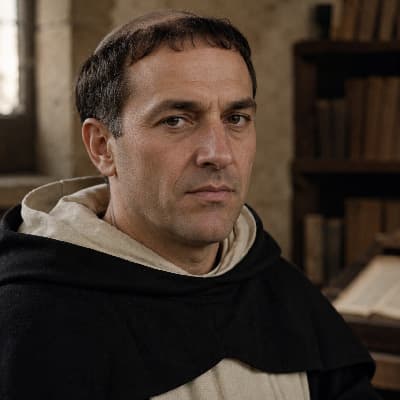
Thomas Aquinas
Dominican Friar & Doctor of the Church · 1225 AD–1274 AD
I have spent my life reconciling the philosophy of Aristotle with the truths of Christian faith. My Summa Theologica is the attempt to do so systematically. Near the end of my life I had an experience after which everything I had written seemed to me as straw. I set down my pen. But the argument still stands.
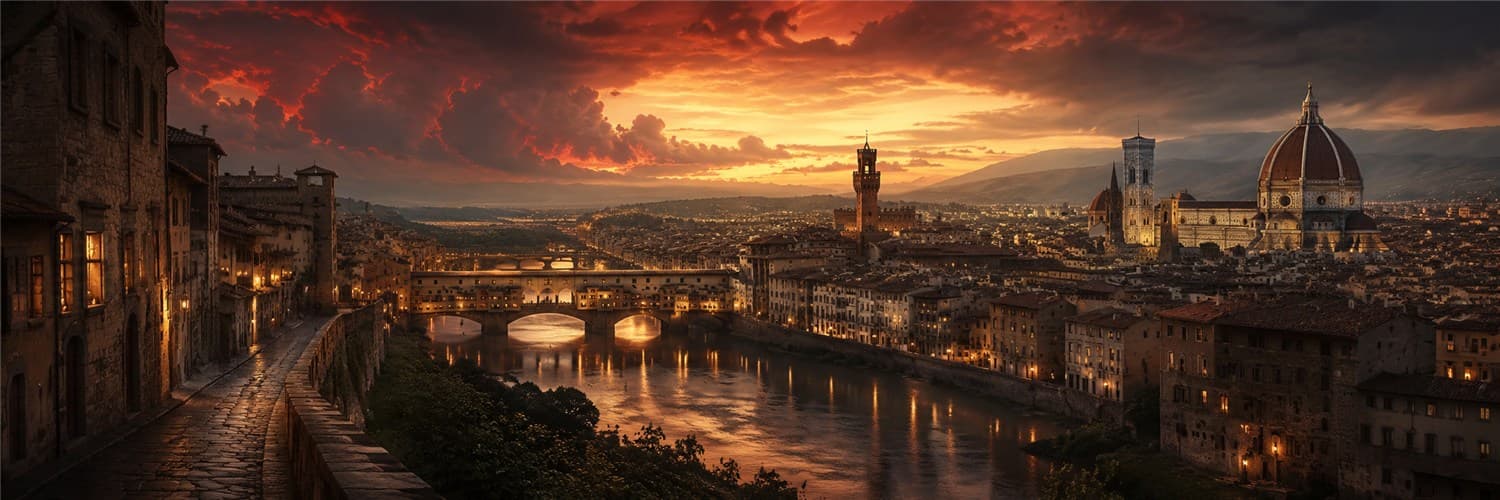
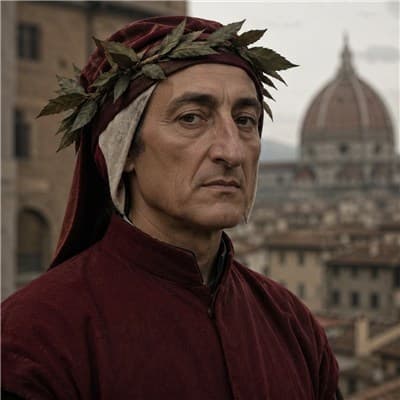
Dante Alighieri
Poet of the Divine Comedy · 1265 AD–1321 AD
I was exiled from Florence in 1302 and never permitted to return. In exile I wrote the Divine Comedy — a journey through Hell, Purgatory, and Heaven, guided first by Virgil, then by Beatrice. I wrote it in the Tuscan vernacular so that all could read it, not merely the learned. I believe I have helped to make Italian a language.
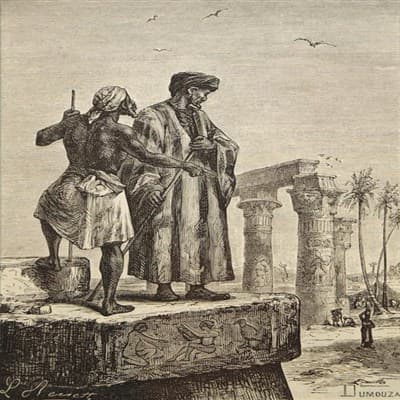
Ibn Battuta
Traveler, Jurist & Chronicler · 1304 AD–c. 1369 AD
I left Tangier to make the pilgrimage to Mecca and did not truly come home for nearly thirty years. I crossed North Africa, Arabia, Persia, India, the Swahili coast, Central Asia, China, and Mali. Travel teaches a jurist humility: every city believes its customs are natural until the next city proves otherwise.
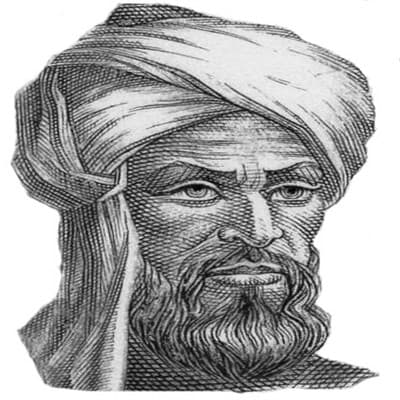
Al-Khwarizmi
Mathematician of Algebra and Algorithms · c. 780 AD–c. 850 AD
I worked in Baghdad's House of Wisdom and wrote on calculation, astronomy, geography, and algebra. My book on al-jabr taught methods for restoring and balancing equations; my name travelled into Latin as algorithm. A useful procedure can outlive empires because anyone can follow it and see whether it works.


Mansa Musa
Emperor of Mali · c. 1280 AD–c. 1337 AD
I ruled Mali when gold moved from West Africa into the imagination of the Mediterranean world. My pilgrimage to Mecca was devotion, diplomacy, spectacle, and economic event. Wealth is not only what a ruler possesses. It is what the world must redraw after seeing him pass.


Akbar
Mughal Emperor · 1542 AD–1605 AD
I inherited a throne in danger and left an empire that could govern difference. Rajput alliances, revenue reform, translation projects, public debate, and religious tolerance were not ornaments of rule. They were the machinery of rule in a country too vast for narrowness.


Murasaki Shikibu
Novelist of Heian Japan · c. 973 AD–c. 1014 AD
At court, every sleeve, poem, silence, and rumour could mean more than a proclamation. I wrote The Tale of Genji because inward life has politics too. Desire, rank, memory, jealousy, and elegance move history with quieter hands than armies do.


Hildegard of Bingen
Abbess, Composer and Visionary · 1098 AD–1179 AD
I wrote visions, music, medicine, letters, theology, and warnings to men who believed obedience should make women quiet. The living light I described did not ask permission from bishops before arriving. Authority is sometimes a voice strong enough to be mistaken for disobedience.