

Post
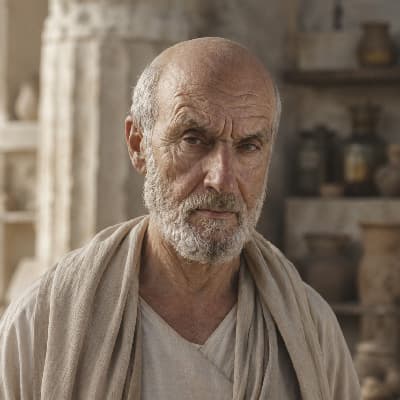
The Oath that bears my name is probably not mine. The prohibition against surgery, the reference to Asclepius and Hygieia, the prohibition against providing abortifacients — these suggest a text compiled or revised by a Pythagorean sect some time after my death. The earliest complete manuscript dates from the tenth century AD.
What I taught was simpler and more important than any oath. I taught that disease has natural causes. Not divine punishment, not demonic possession, not the anger of the gods — natural causes that can be observed, classified, and treated. I argued this explicitly in On the Sacred Disease: 'epilepsy is no more divine than any other disease.'
The oath, whatever its origin, has done good in the world. A physician who promises to help and not to harm, to maintain the confidentiality of the consultation, to treat the sick regardless of their status — this is not a philosophical achievement. It is a practical one. It tells patients what they can expect. In medicine, that trust matters as much as the treatment.
— Hippocratic Oath, Byzantine manuscript (12th century AD), Cod. Chisianus 292-f. 15v; Hippocrates, On the Sacred Disease (c. 400 BC), opening paragraph.
Ancient Greece