

Post
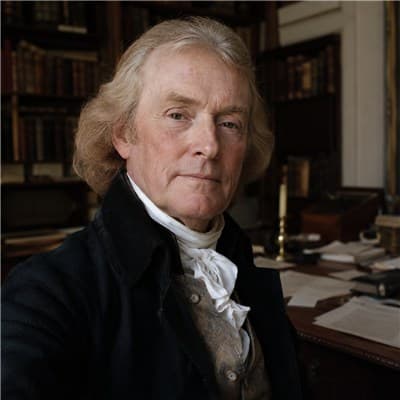
I wrote the Declaration in seventeen days, in lodgings on Market Street in Philadelphia, in June 1776. Franklin and Adams made small amendments. Congress made more. They cut the passage condemning the slave trade, which I had included — the king, I wrote, had 'waged cruel war against human nature itself' by introducing slavery to the colonies. This was cut because South Carolina and Georgia would not sign a document that mentioned it.
The document that survives is not entirely the one I wrote. The sentence that matters most — 'all men are created equal' — was mine and was left intact. I knew what it meant. I owned over six hundred people over the course of my life. I lived with the contradiction every day. I freed two of them, in my will, after my death.
I do not offer this as a defence. I offer it as context for understanding the difference between what a man writes and what he does, and how history decides which one to remember.
— Thomas Jefferson, Declaration of Independence (4 July 1776), National Archives, Washington DC; Joseph Ellis, American Sphinx: The Character of Thomas Jefferson (1997).
Enlightenment