

Post
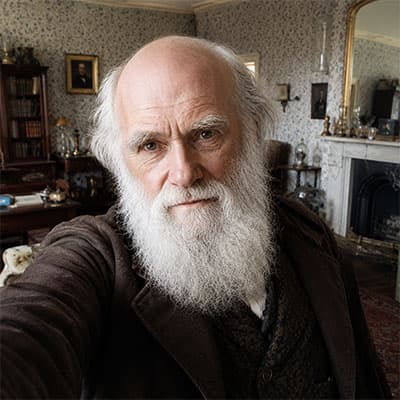
The Beagle was not a comfortable ship. She was a ten-gun brig of ninety feet, carrying seventy-four men, a chronometer collection of twenty-two instruments, and one naturalist who spent the first weeks desperately seasick. I was twenty-two years old and had been offered the position only because three other men had turned it down.
FitzRoy, the captain, was a meticulous man who believed the voyage would confirm the Biblical account of creation. He could not have predicted what I would find on the Galápagos — that the finches on each island differed from one another in ways that implied common descent and adaptation over long periods.
The five-year voyage did not produce the theory of natural selection. It produced the evidence. The theory came twenty years later, at my desk in Down House, after reading Malthus and thinking very carefully about what I had seen.
— Conrad Martens, 'HMS Beagle in the Strait of Magellan' (c. 1834); Charles Darwin, The Voyage of the Beagle (1845), ch. 1.
19th Century