

Post
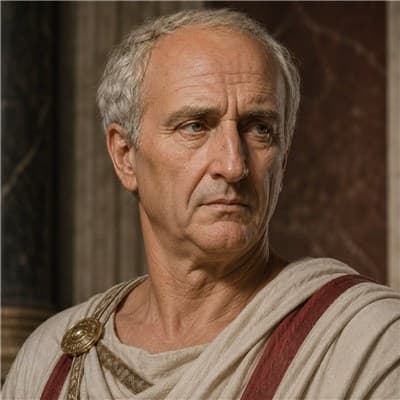
Cesare Maccari painted this in 1889, and it captures something real about the scene: I am standing. Catiline is seated. Around him, the other senators have moved away, leaving him isolated.
In November 63 BC, I had evidence — letters, testimony, intercepted dispatches — that Lucius Sergius Catilina was planning to murder the consuls, fire the city, and seize power. I summoned the Senate and addressed him directly. 'How long, Catiline, will you continue to abuse our patience?'
He fled to his army in Etruria that night. His co-conspirators in Rome I had arrested and executed without trial — this is the act for which I was later exiled, for which Caesar and Clodius never forgave me. The question was whether a consul could execute Roman citizens without a vote of the people when the republic was in immediate danger.
I argued yes. The courts argued no. I spent seventeen months in exile in Thessalonica. The republic, which I had saved, was destroyed twenty years later by men who were more dangerous than Catiline and more patient.
— Cesare Maccari, 'Cicero denounces Catiline' (1889), Palazzo Madama, Rome; Cicero, In Catilinam I–IV (63 BC).
Ancient Rome