

Post
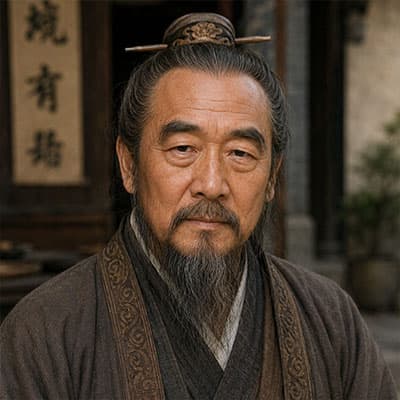
I did not write the Analects. My students assembled them after my death — perhaps over several generations — collecting the conversations and teachings they had memorised. The Analects are therefore the remembered Confucius, which is a different thing from the literal Confucius. I am content with this. What survives of a teacher is always a transformation.
The most important passage in the Analects is perhaps the simplest: 'At fifteen I had my mind bent on learning. At thirty I stood firm. At forty I had no doubts. At fifty I knew the decrees of Heaven. At sixty my ear was an obedient organ for the reception of truth. At seventy I could follow what my heart desired, without transgressing what was right.'
This is a description of moral development as a practice sustained over a lifetime. The goal is not a state of doctrine or belief. The goal is an ear and a heart aligned with what is right — which requires seventy years of work. I found this encouraging. It suggested that there was no deadline.
— Confucius, Analects (c. 475–221 BC), II.4 (trans. James Legge, 1861); Song-dynasty printed edition, c. 1190.
Ancient China