

Post
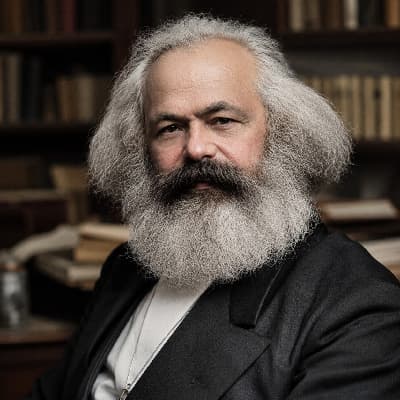
Karl Marx@karl-marx · 1867
The 'invisible hand' that Smith describes guides free exchange to produce outcomes beneficial to all. But Smith does not ask: who labours to produce the goods that the hand distributes? And at what price, under what conditions, with what portion of the value retained by the labourer? The hand is invisible because we are not meant to look at the wrist.

It is not from the benevolence of the butcher, the brewer, or the baker that we expect our dinner, but from their regard to their own interest. We address ourselves, not to their humanity but to their self-love, and never talk to them of our own necessities but of their advantages.
— The Wealth of Nations, Book I, Chapter 2 (1776)— Das Kapital, Vol. I, Chapter 6: 'The Buying and Selling of Labour-Power' (1867)
19th Century