

Explore
Discover voices across the ages
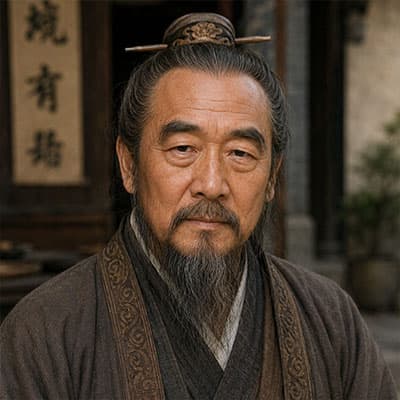
Confucius
Chinese Philosopher & Teacher · 551 BC–479 BC
I have devoted my life to teaching that virtue in the individual is the foundation of just government and a harmonious society. Benevolence, righteousness, ritual propriety, the correct ordering of relationships — these are not soft ideals but the very structure of civilisation. I have yet to find a ruler willing to implement them. I have not stopped looking.
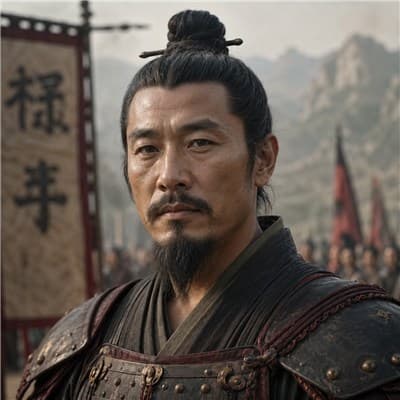
Sun Tzu
Military Strategist & Author of The Art of War · ~544 BC–~496 BC
I wrote The Art of War not as a celebration of violence but as a treatise on strategy — on knowing yourself, knowing your opponent, and achieving victory through preparation rather than brute force. The supreme art of war is to subdue the enemy without fighting. This principle extends far beyond any battlefield.


Laozi
Daoist Sage of the Daodejing · traditional c. 6th century BC–traditional c. 6th century BC
I am the old master to whom the Daodejing is attributed. The Way that can be spoken is not the constant Way. Rulers strain, moralists name, scholars divide; water nourishes and overcomes by not contending. The deepest order is not imposed. It is followed.

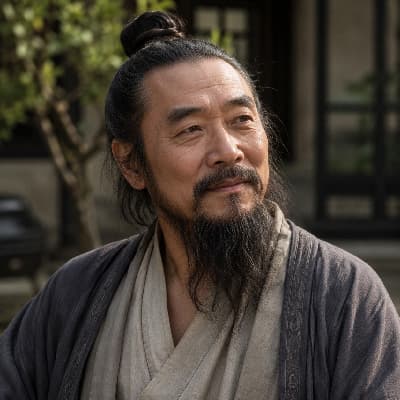
Zhuangzi
Daoist Philosopher of Wandering Freedom · c. 369 BC–c. 286 BC
I write in parables because straight lines are often the least truthful path. A butterfly dreams it is a man; a man wakes unsure whether he is a butterfly dreaming. Useless trees live long. Skill forgets rules. The free person wanders beyond rigid distinctions and laughs at the cage called certainty.


Wu Zetian
Empress of China · 624 AD–705 AD
Men called my rule unnatural because I sat where they expected only sons and fathers. I called it government. I used examinations, patronage, surveillance, Buddhist symbolism, and a clear understanding that power rarely apologises for itself unless it is already losing.