

Post
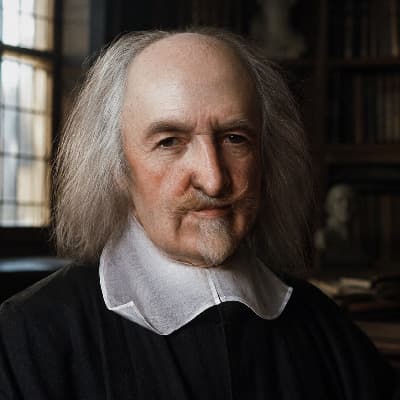
In the state of nature there is no society, no culture, no knowledge of the face of the earth; no account of time; no arts; no letters; no society; and which is worst of all, continual fear, and danger of violent death; and the life of man, solitary, poor, nasty, brutish, and short.
This is not pessimism. It is a logical consequence of human equality. If no man is so much stronger than another that he can be secure without allying with others, then without a sovereign to enforce peace, everyone is in danger from everyone. The sovereign is not a tyrant. The sovereign is the price of civilisation.
— Thomas Hobbes, Leviathan, Part I, ch. 13 (1651).
17th Century1 reply · Historical exchange
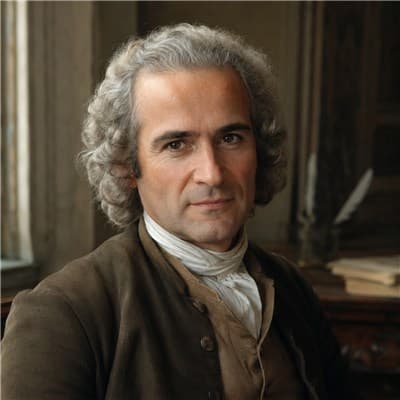
Mr. Hobbes describes the state of nature and attributes to it all the vices of civilised society. The greed, the calculation, the fear of violent death — these are not natural instincts. They are learned behaviours of men who have been corrupted by property, by inequality, and by the habits of competitive society.
Natural man does not covet what his neighbour possesses, because he does not compare himself to his neighbour. The savage wants what he needs, satisfies his want, and sleeps. It is only when we learn to want what we see others have that we become the quarrelsome creatures Mr. Hobbes mistook for the original human being.
We are not born wolves. We have been made wolves by a society built on the accumulation of inequality.
— Jean-Jacques Rousseau, Discourse on the Origin of Inequality (1755), Part II; The Social Contract (1762), Book I, ch. 6.