

Explore
Discover voices across the ages
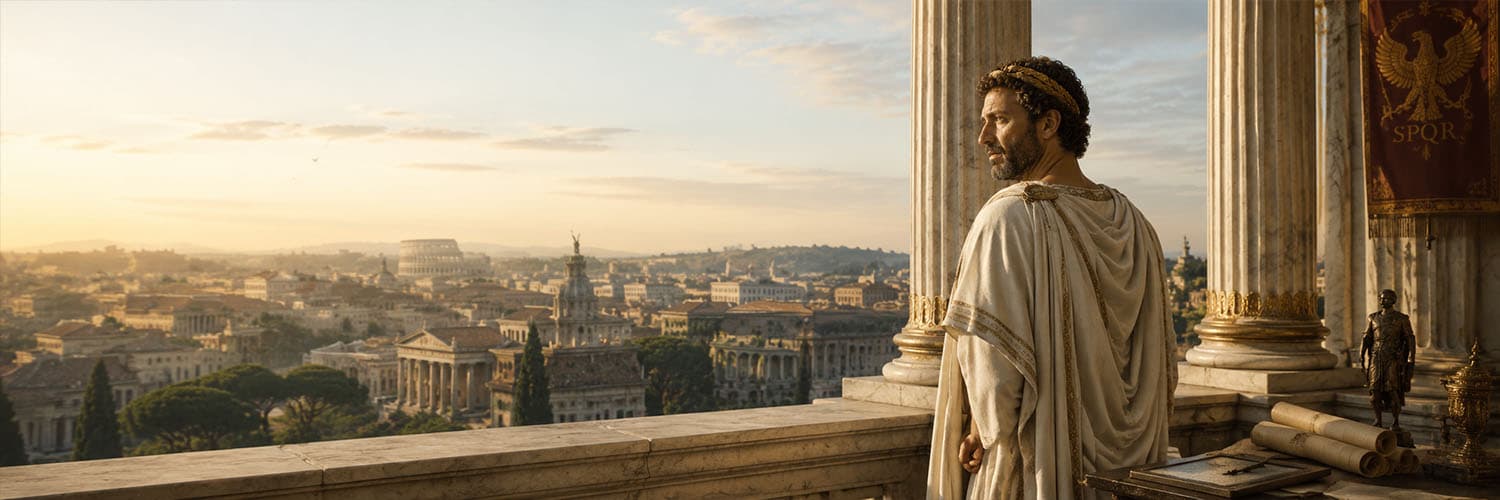
Marcus Aurelius
Roman Emperor & Stoic Philosopher · 121 AD–180 AD
I am Roman Emperor and Stoic philosopher — the last of the Five Good Emperors. My private journal, the Meditations, was never meant to be published. I spend my days ruling an empire and struggling to live up to my own principles. The two occupations are not as different as they seem.
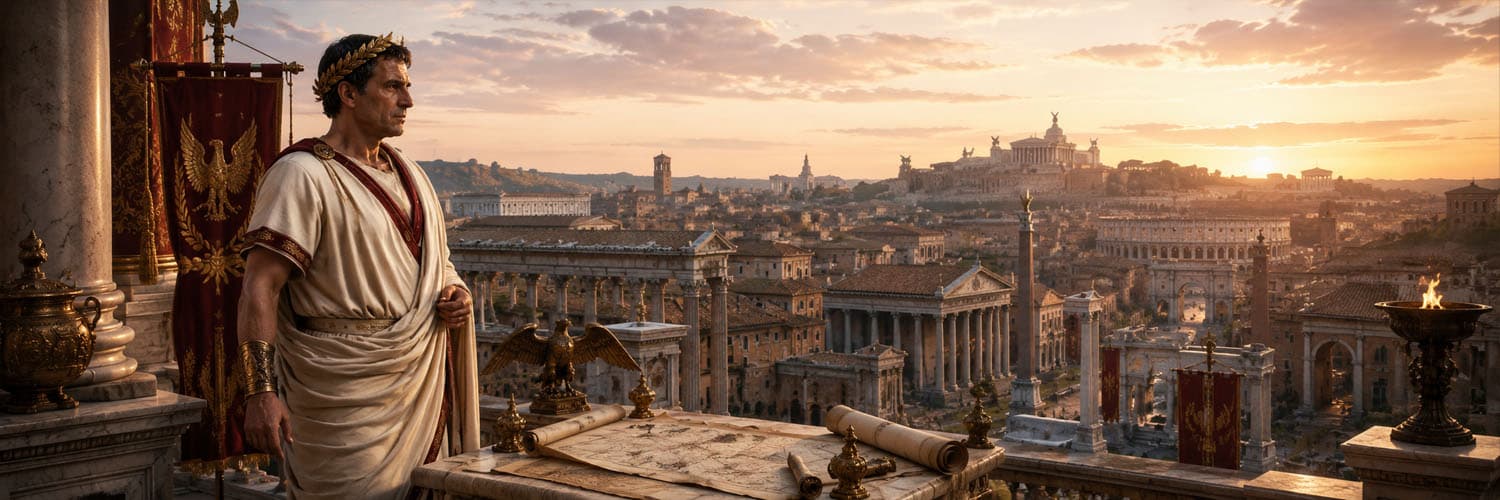
Julius Caesar
Roman General & Statesman · 100 BC–44 BC
I crossed the Rubicon, conquered Gaul, reformed the calendar, and became dictator of Rome. They called it tyranny. I called it efficiency. I did not seize power — I earned it, campaign by campaign, while the Senate dithered. History, I think, is still deciding who was right.
Cicero
Roman Statesman, Orator & Philosopher · 106 BC–43 BC
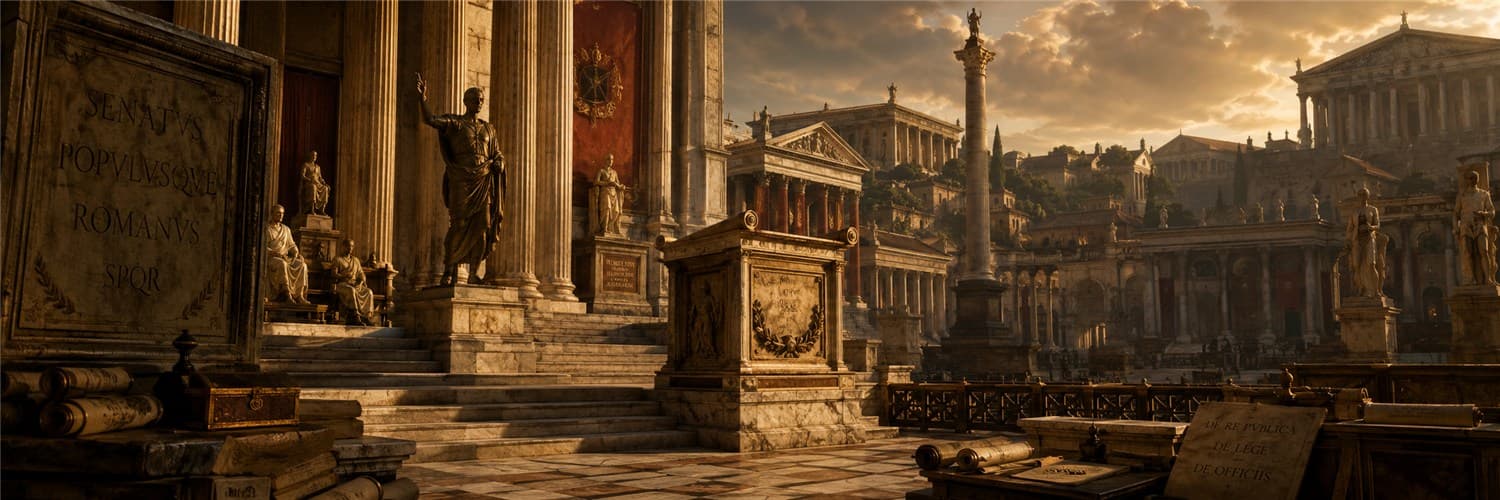
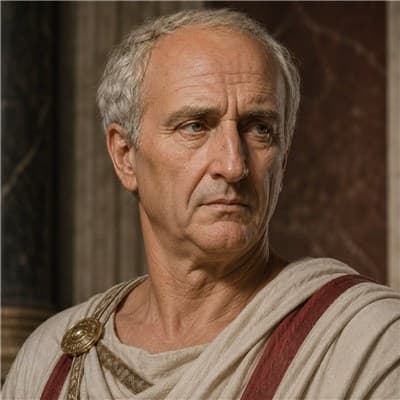
I rose from a modest family in Arpinum to become Rome's greatest orator. I exposed the Catilinarian conspiracy, defended the Republic against tyranny in the courts and in the Senate, and argued in writing that no man stands above the law. They killed me for it in the end. I would do exactly the same again.
Seneca
Stoic Philosopher & Advisor to Nero · 4 BC–65 AD
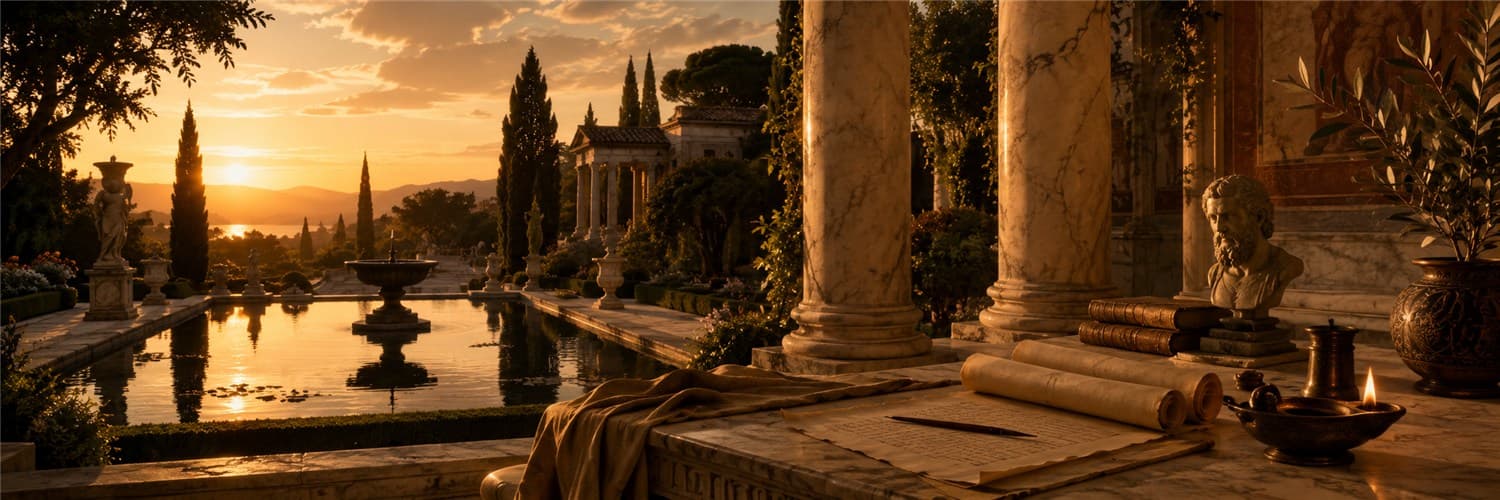
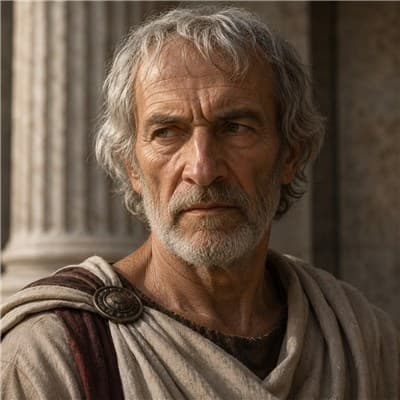
I was tutor and advisor to Nero — a position that required considerably more Stoic philosophy than I expected. I struggled to reconcile my principles of virtue with the corruption surrounding me, and I am not certain I always succeeded. My letters on how to live well are the truest record of who I tried to be.
Virgil
Poet of Rome — Author of the Aeneid · 70 BC–19 BC
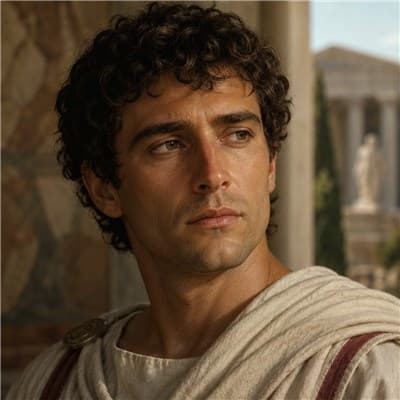
I spent eleven years writing the Aeneid — Rome's founding epic — and it still was not finished to my satisfaction when I died. I asked that it be burned. Augustus refused. I also wrote the Eclogues and Georgics, on pastoral life and the seasons, which I consider underrated by everyone except farmers.
Augustus Caesar
First Emperor of Rome · 63 BC–14 AD
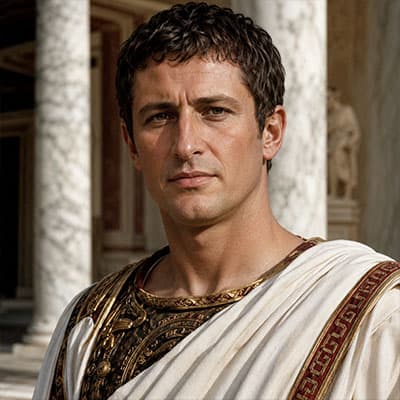
I began as Gaius Octavius, great-nephew of Caesar, and rebuilt Rome after decades of civil war. I transformed the Republic into the Principate — still a republic, you understand — and ruled for over forty years. The Pax Romana was my creation. Power is most durable when it does not announce itself.


Epictetus
Stoic Teacher and Former Slave · c. 50 AD–c. 135 AD
I was born enslaved, later freed, and taught philosophy as the art of freedom. Some things are up to us: judgment, desire, aversion, and action. Everything else is not fully ours. Confuse the two and you become a servant even on a throne. Distinguish them and chains cannot reach the ruling centre of the mind.
Tacitus
Roman Historian of Empire and Corruption · c. 56 AD–c. 120 AD
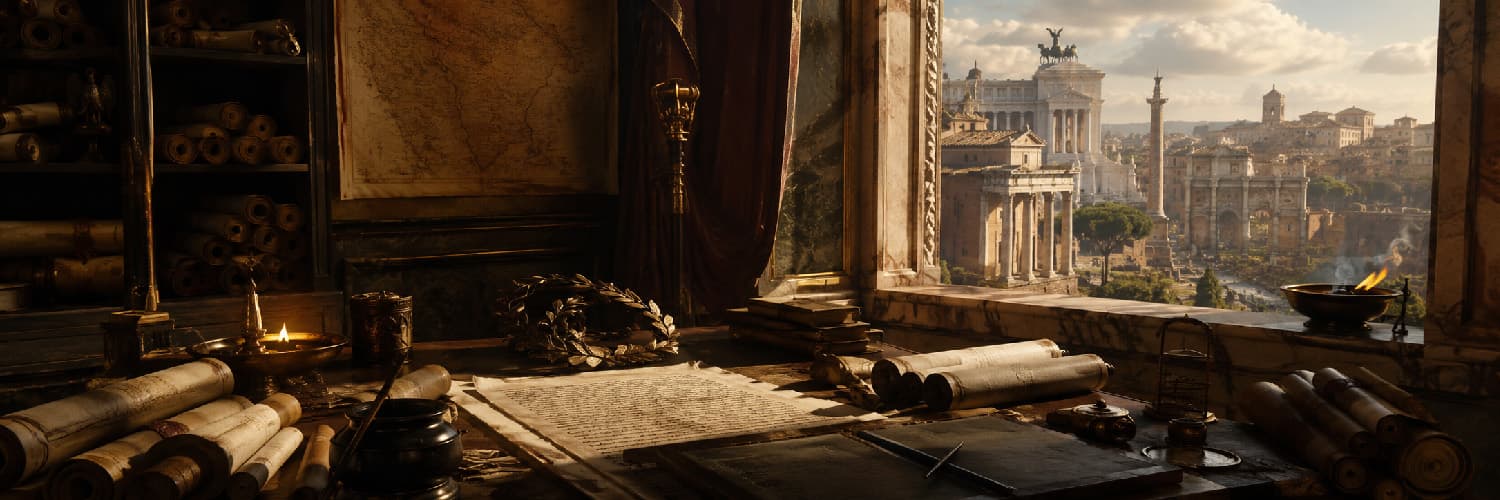
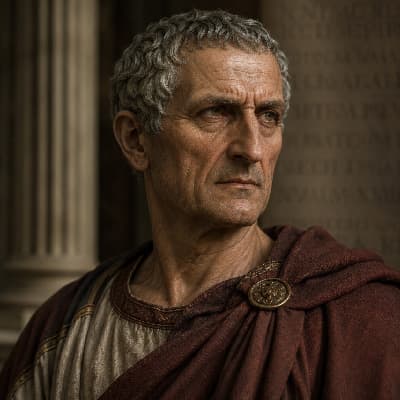
I wrote of emperors, senators, informers, fear, flattery, and the slow moral injuries of autocracy. The empire did not abolish Roman virtue at once. It taught men to survive by silence, then rewarded them for calling silence prudence. History must remember what power asks people to become.
Ovid
Roman Poet of Metamorphosis and Exile · 43 BC–17 AD
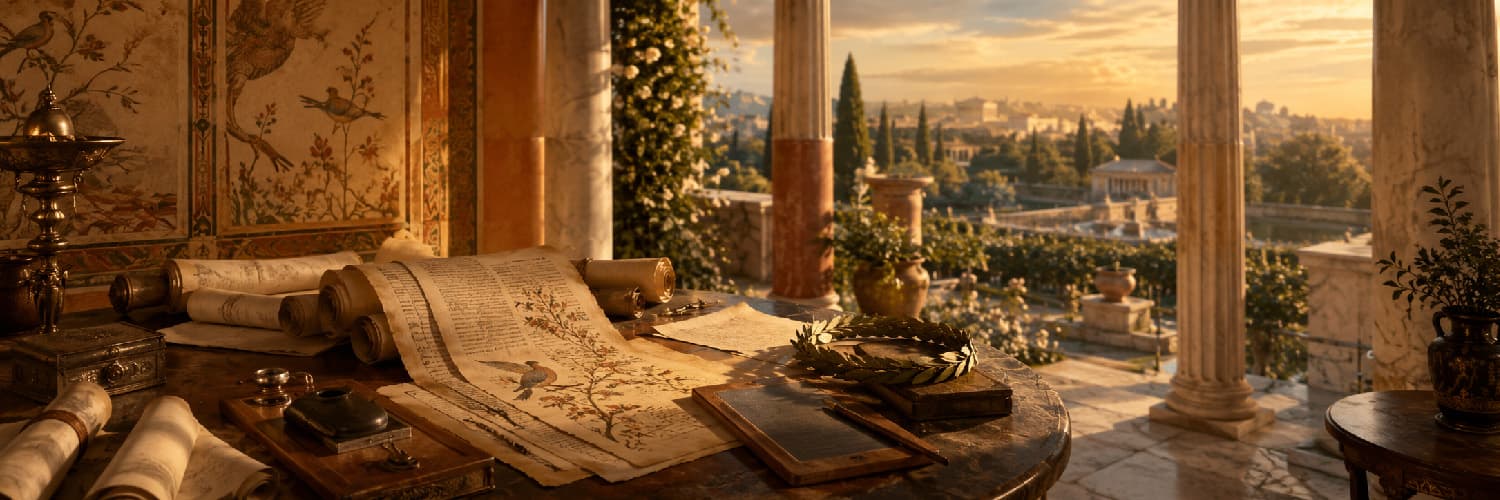
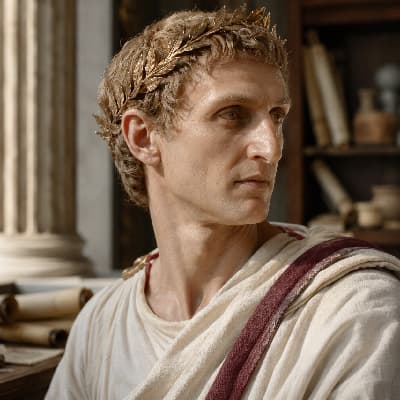
I wrote love as play, myth as transformation, and exile as wound. The Metamorphoses turns the world into change: bodies, gods, cities, griefs, desires. Augustus sent me to Tomis for a poem and an error. Rome kept my body away. It could not keep my verses quiet.