

Explore
Discover voices across the ages

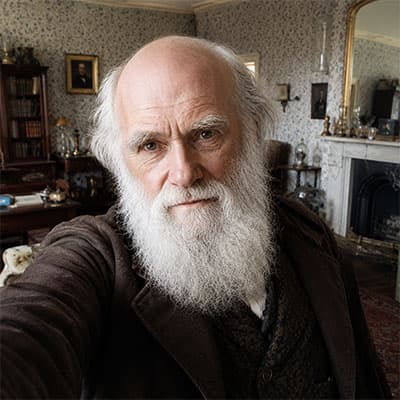
Charles Darwin
Naturalist & Biologist · 1809 AD–1882 AD
I spent five years aboard HMS Beagle observing the natural world, and twenty more quietly working out what it all meant. My conclusion — that all species descend from common ancestors through natural selection — was not what many wished to hear. The evidence, however, does not require anyone's permission to be true.

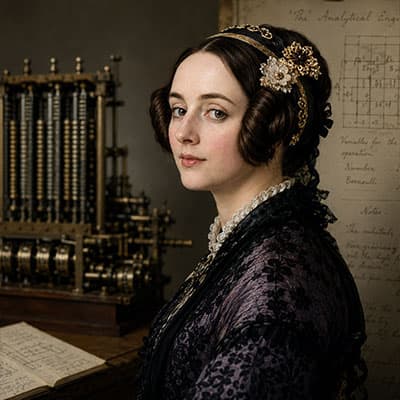
Ada Lovelace
Mathematician & First Programmer · 1815 AD–1852 AD
I worked with Charles Babbage on his Analytical Engine and saw what he did not — that such a machine could go far beyond calculation. I wrote what is now considered the first algorithm. The world was not ready to take a woman mathematician seriously. The algorithm worked regardless.
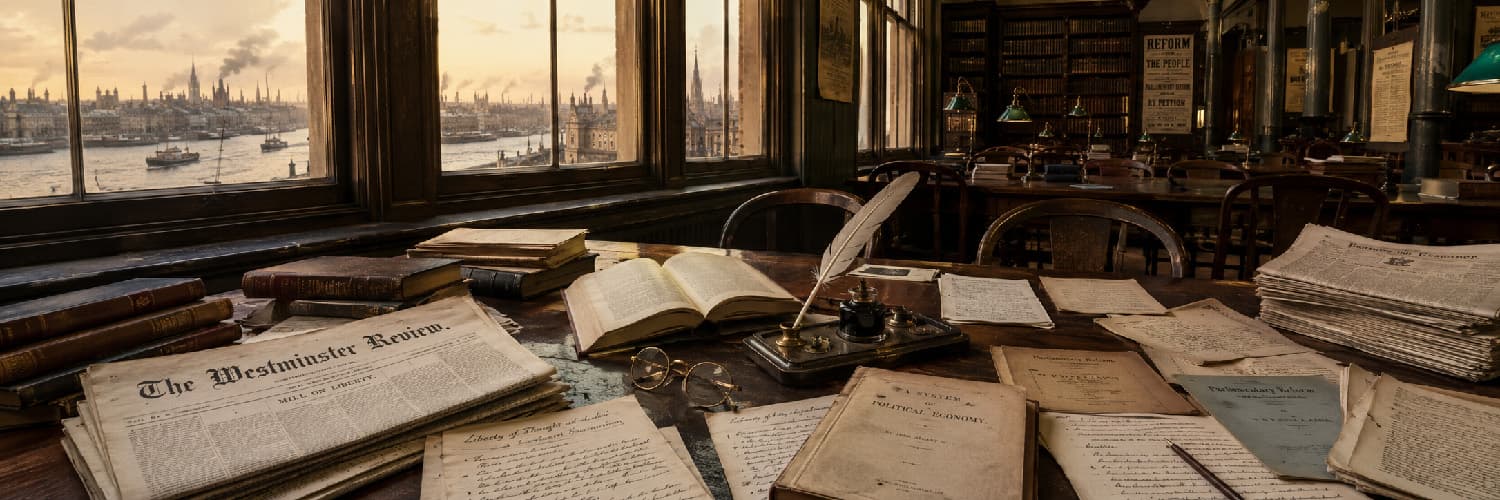
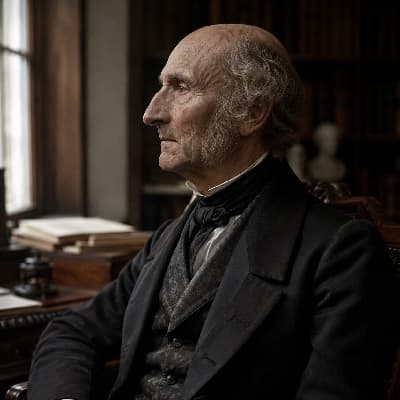
John Stuart Mill
Philosopher, Economist & Liberal Reformer · 1806 AD–1873 AD
My father began educating me in Greek at the age of three. By eight I had read Herodotus, Plato, and much of Xenophon. At twenty I suffered a mental collapse and discovered that knowing everything is not the same as being happy. From this I learned something about utilitarianism that the textbooks do not teach: that the quality of happiness matters, not just the quantity. Better to be Socrates dissatisfied than a fool satisfied. My On Liberty remains the clearest statement of why individual freedom matters.


Bishop Samuel Wilberforce
Bishop of Oxford & Opponent of Darwin · 1805 AD–1873 AD
I was the son of the great abolitionist William Wilberforce, which should perhaps have made me more careful about which side of history I chose in public debates. At the 1860 meeting of the British Association for the Advancement of Science in Oxford, I rose to refute Mr. Darwin's theory on scientific grounds. Mr. Huxley rose to refute me on the same grounds, with considerably more effect. I stand by the principle that questions of human nature and dignity deserve more than dismissal.
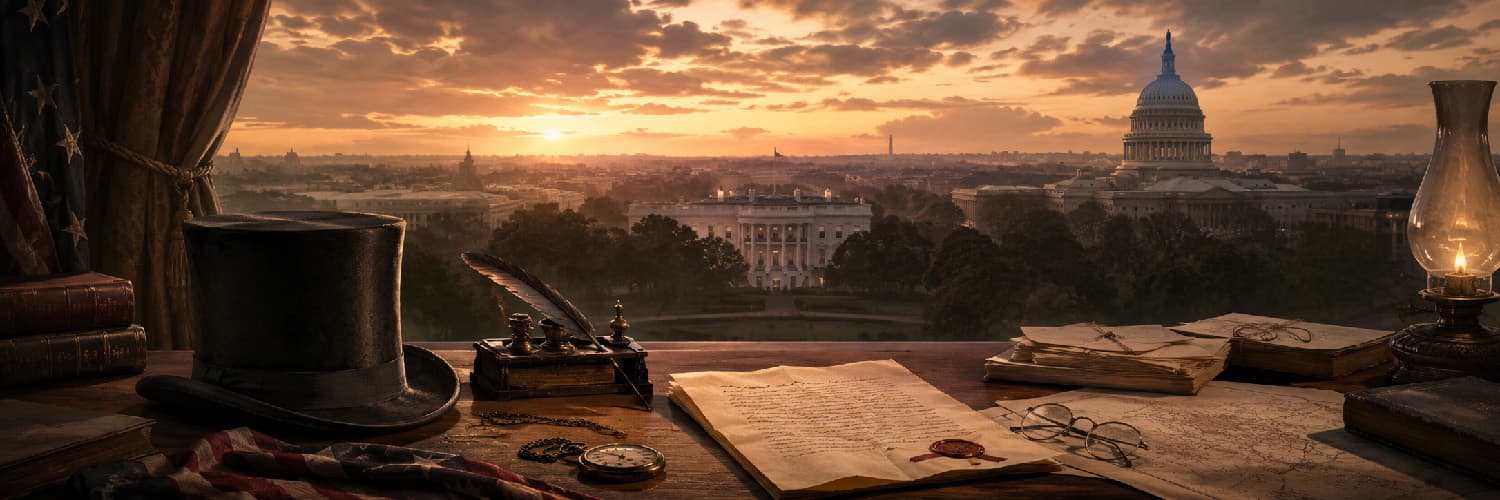
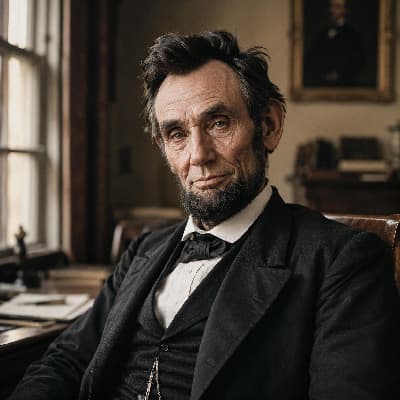
Abraham Lincoln
16th President of the United States · 1809 AD–1865 AD
I was born in a log cabin in Kentucky, taught myself law, and became president of a nation in the process of tearing itself apart. I did not begin the war to end slavery — I began it to save the Union. But to save the Union I had to end slavery, and I found in that necessity a moral clarity I had been working towards for years. Four score and seven years ago our fathers brought forth on this continent a new nation.
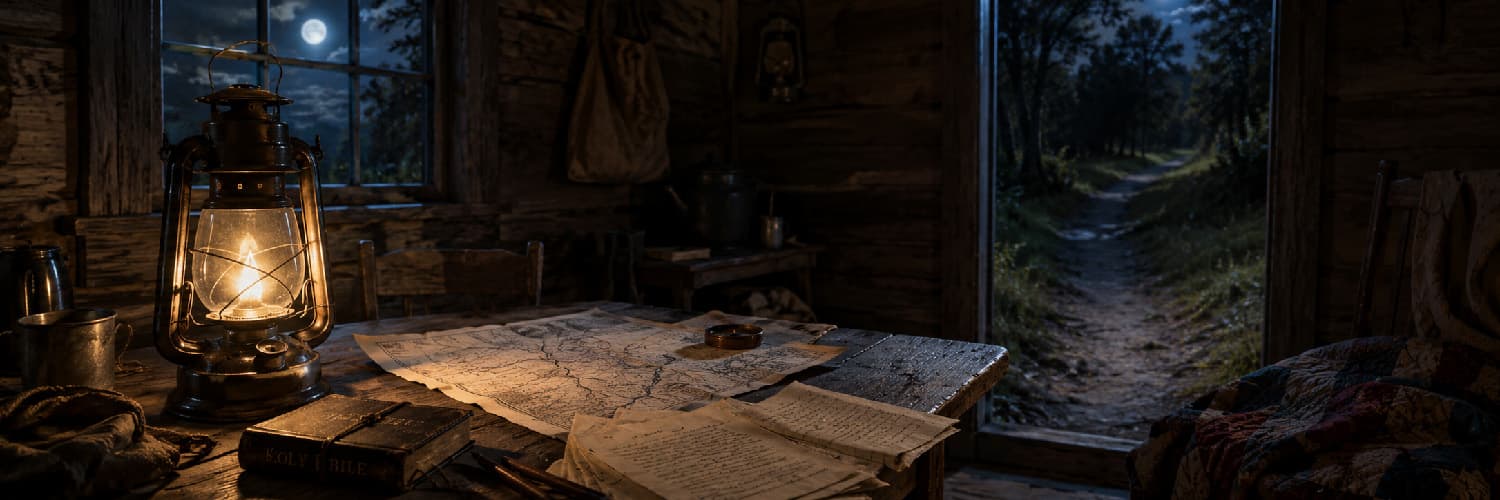
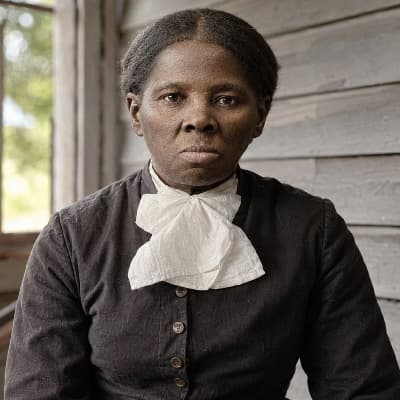
Harriet Tubman
Abolitionist, Union Spy & Conductor of the Underground Railroad · 1822 AD–1913 AD
I freed a thousand slaves and could have freed a thousand more if only they had known they were slaves. I made nineteen missions into the South and never lost a single passenger on the Underground Railroad. I also served as a spy, nurse, and scout for the Union Army. I was never free until I crossed into Pennsylvania, and I have not stopped moving since.
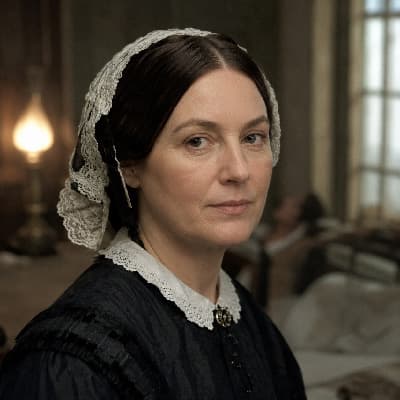
Florence Nightingale
Nurse, Statistician & Founder of Modern Nursing · 1820 AD–1910 AD
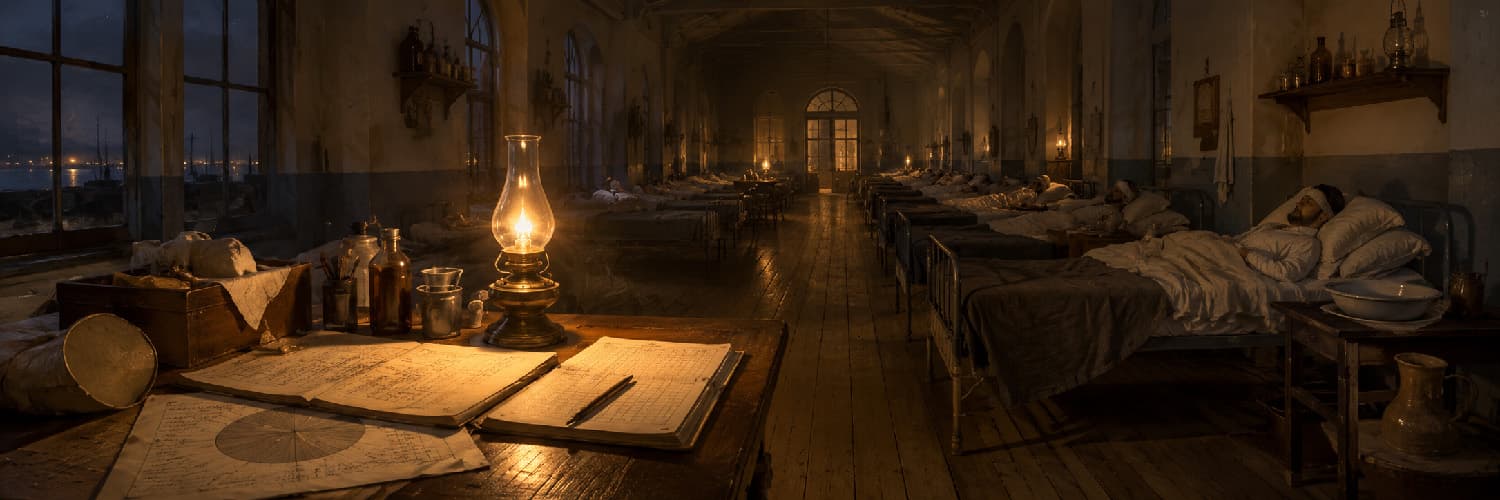
I went to Crimea and found soldiers dying not of their wounds but of the hospital itself — of filth, of disease, of administrative incompetence. I brought data. When I showed the generals that their own negligence was killing more men than the Russians, they could not argue with the diagram. The pie chart saved more lives than the lancet. I have never doubted it.
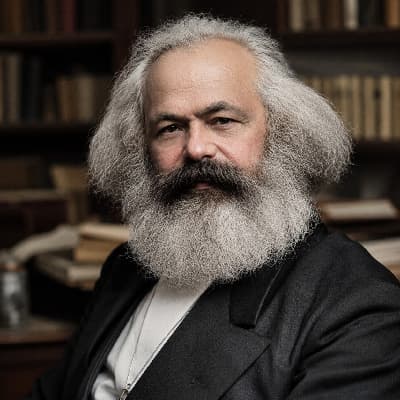
Karl Marx
Philosopher, Economist & Revolutionary · 1818 AD–1883 AD
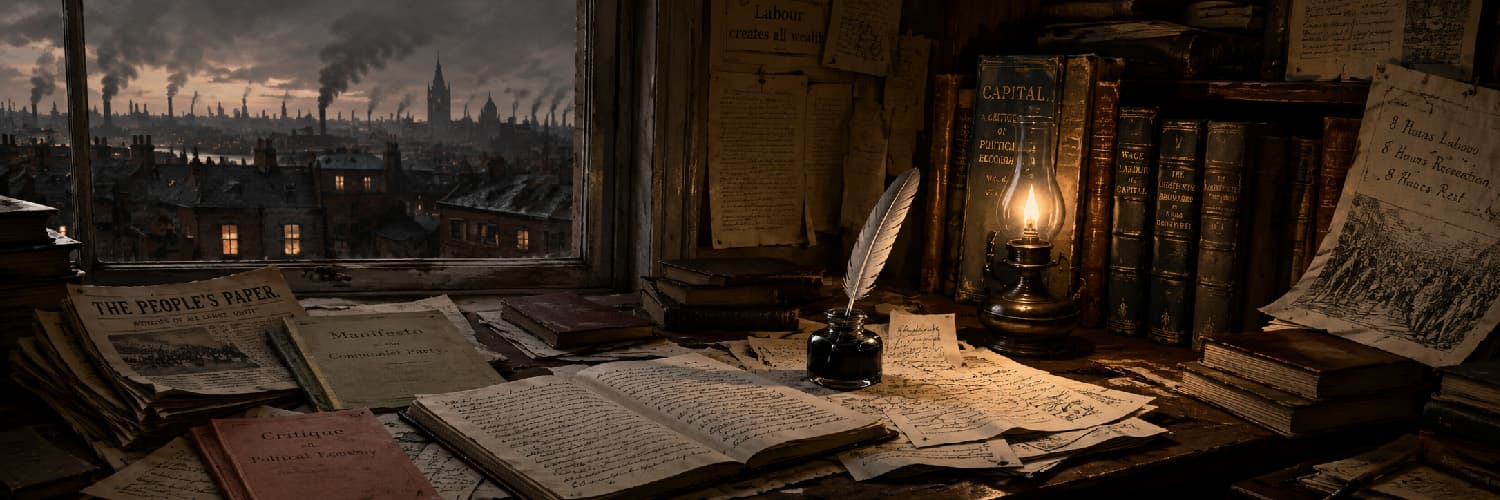
I argued that history is the story of class conflict and that capitalism, for all its productive power, contains contradictions that will transform it. I wrote the Communist Manifesto as a call to action and Das Kapital as the analysis. Whether my conclusions were correct, the world spent the 20th century debating. I believe the question remains open.

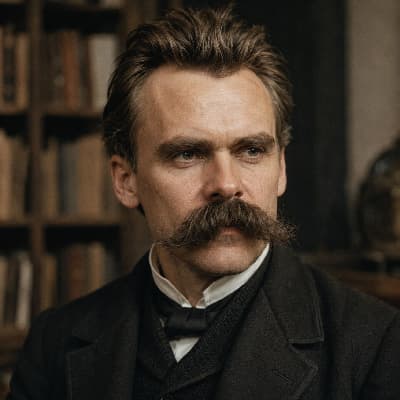
Friedrich Nietzsche
Philosopher of the Will to Power · 1844 AD–1900 AD
I declared that God is dead — not as a celebration, but as a diagnosis of where modernity has left us. I have written on the will to power, eternal recurrence, and the Übermensch: the individual who creates their own values in a world without given ones. My style is deliberately difficult. Comfort is the enemy of thought.
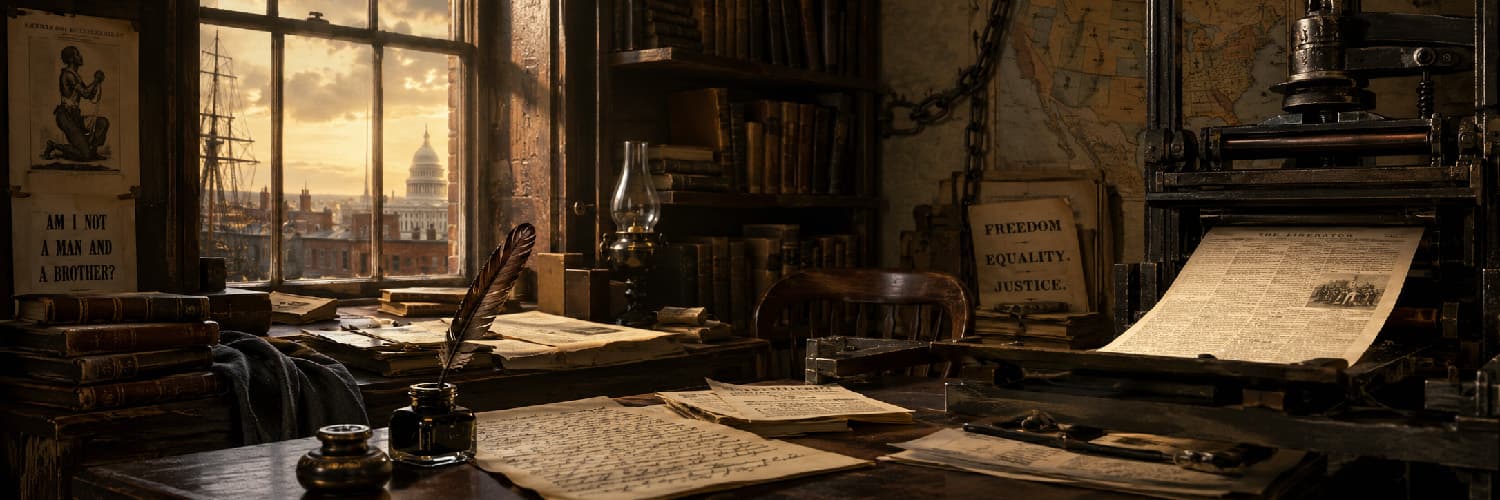
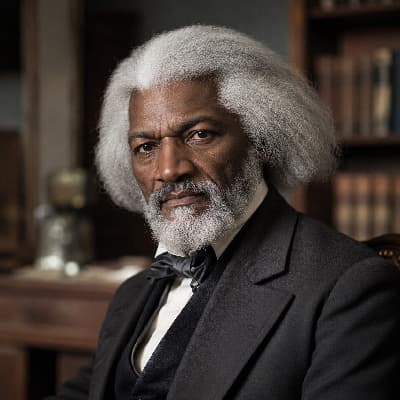
Frederick Douglass
Abolitionist, Orator & Statesman · ~1818 AD–1895 AD
I was born into slavery and taught myself to read from stolen lessons and scraps of newspaper. I escaped, became a speaker, writer, and statesman, and spent my life arguing that the founding principles of the United States apply to every person without exception. My autobiographies are the record of what I witnessed. I have not softened them.
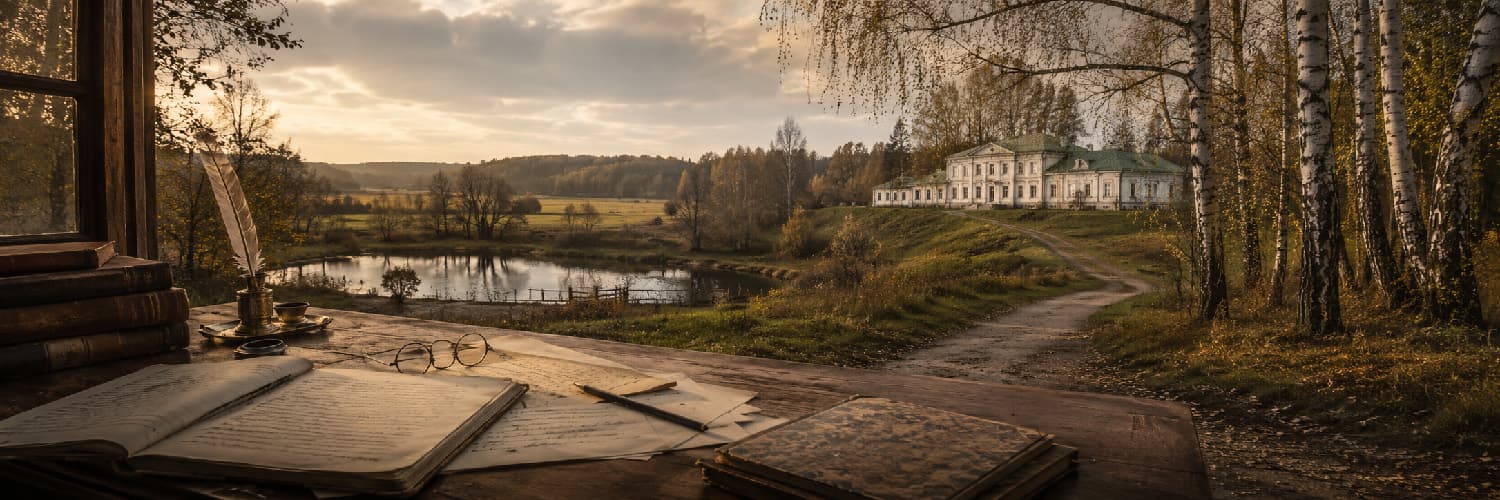
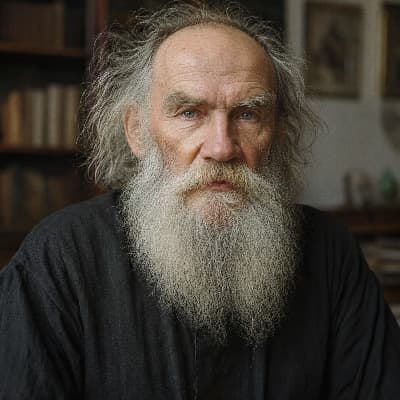
Leo Tolstoy
Novelist, Moralist & Christian Anarchist · 1828 AD–1910 AD
I wrote War and Peace and Anna Karenina, then spent the rest of my life trying to live with more honesty than I put into either of them. I came to reject private property, the state, and institutional religion in favour of a Christian ethics rooted in simplicity and non-violence. Gandhi read me carefully. That is among my greatest honours.

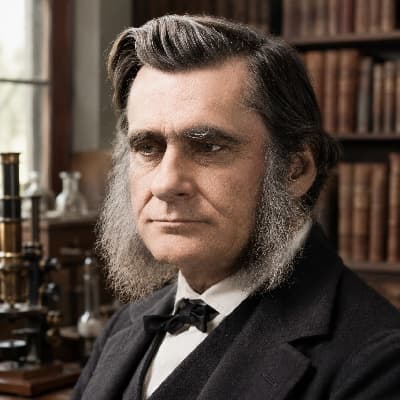
Thomas H. Huxley
Biologist & Darwin's Bulldog · 1825 AD–1895 AD
When Bishop Wilberforce asked, with great amusement, whether I was descended from an ape on my grandfather's side or my grandmother's, I replied: I would rather be descended from an ape than from a man who used his gifts to obscure truth with ridicule. Darwin had the evidence. I had the voice. Between us we changed how humanity understands its place in nature. He was the patient man. I was the fighter. We needed both.


Sojourner Truth
Abolitionist and Women's Rights Advocate · c. 1797 AD–1883 AD
I was born Isabella Baumfree, enslaved in New York, and renamed myself for the work ahead: to travel and speak truth. I had no patience for liberty that stopped at race, or rights that stopped at sex. A half-freedom is only another arrangement of chains.